
Last updated October 31, 2026
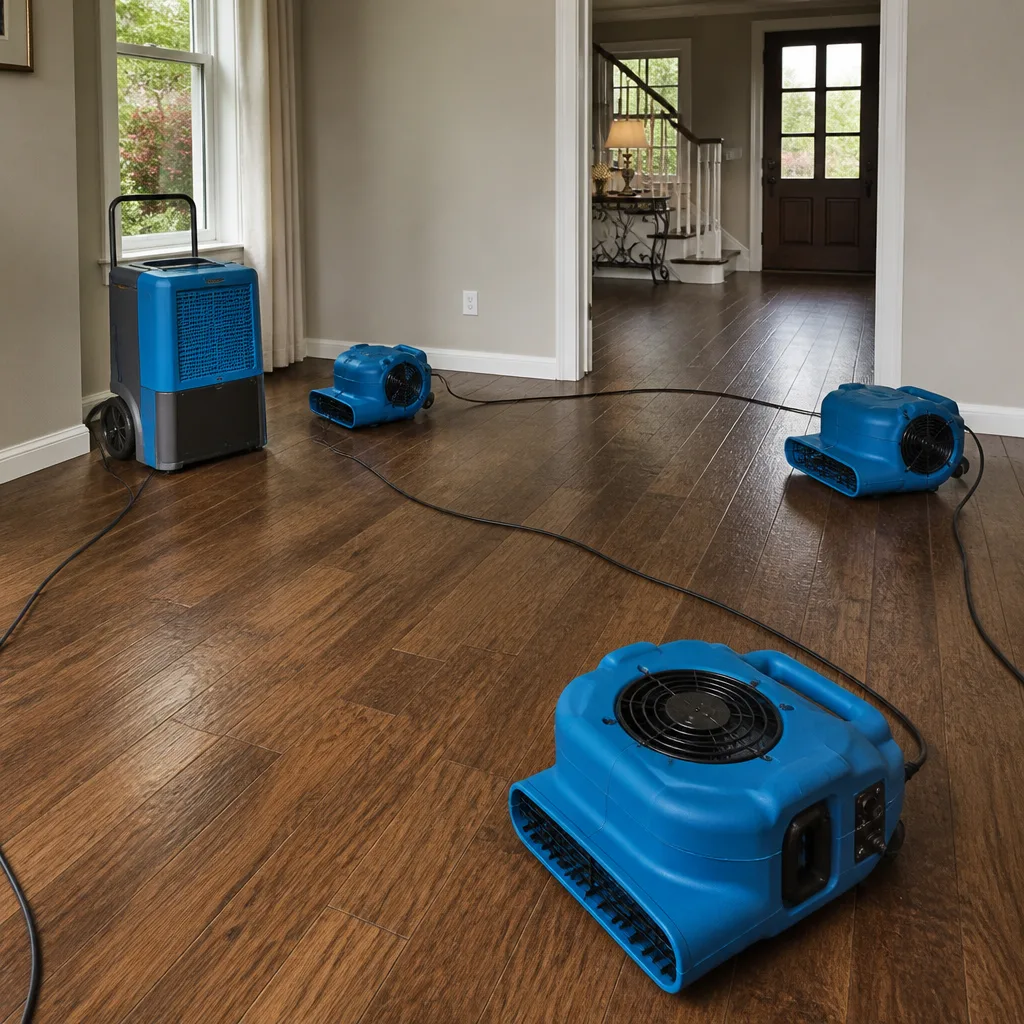 Water damage drying
 Fire & smoke cleanup
 Mold remediation
 Storm response
 Sewage cleanup
 Reconstruction
Free visual inspection and a written scope of work before any mitigation begins - photos, moisture readings, and drying logs go in your claim file
The scope we write is the scope we bill. Anything new gets shown to you, in writing, before we touch it.
Get your free estimateDamage Restoration Permits, Codes & Inspections in CA: What You Need to Know
A restoration job that exposes unpermitted electrical work, something we see regularly in Orange’s older tract housing built between the 1950s and 1970s, puts the homeowner, not the contractor, in legal jeopardy if those walls get closed back up without pulling an electrical permit. Most homeowners assume restoration is exempt from California’s building code requirements because it’s repair work, not new construction. That assumption is wrong in ways that surface years later during a resale inspection, and right in ways that lead homeowners to over-permit cosmetic fixes. This guide draws the precise line between what California law actually requires, what Orange’s building department enforces, and where restoration contractors routinely advise skipping permits to close jobs faster. You’ll finish with a working knowledge of Health & Safety Code triggers, Title 24 energy requirements, emergency work authorizations, and how the permit trail protects your insurance claim and your title.
Quick Answer
Most water damage restoration in California falls under maintenance and requires no permit, but the moment structural members are replaced, electrical systems are exposed, or the footprint of a room changes, a permit is required under California Health & Safety Code Section 19825 and the California Building Code. Emergency work can begin before a permit is issued in Orange if you notify the building department and document the conditions, then file the permit application within a reasonable window. When in doubt, restore to the condition that existed before the damage and you’re usually on solid ground; expand, relocate, or upgrade, and you need paperwork.
Restoration work we handle
Table of Contents
- California Building Permit Law: The Baseline
- Health & Safety Code Section 19825 Explained
- Orange, CA’s Emergency Work Authorization Process
- Title 24 Energy Code and Restoration Reconstruction
- Lead and Asbestos Disclosure Requirements
- The Permit Trail: Why Paperwork Protects You
- How Permits Affect Insurance Claims
- Common Mistakes to Avoid
- When to Call a Professional
- Frequently Asked Questions
California Building Permit Law: The Baseline
California Building Code Section 105.1 says a permit is required for any building, structure, or system that is erected, constructed, enlarged, altered, repaired, moved, improved, removed, converted, or demolished, with a short list of exemptions. Those exemptions matter for restoration. Section 105.2 lists work exempt from permit requirements, and it includes ordinary repairs, which the code defines as work that does not affect the structure, egress, fire resistance, or any life-safety system and uses like materials.
Here’s where the line gets drawn in practice on a water damage job in Orange:
- No permit needed: Removing wet drywall, extracting standing water, setting up drying equipment, replacing carpet pad and carpet, repainting, and reinstalling drywall over the same framing with the same dimensions.
- Permit required: Replacing rotted sill plates, sistering floor joists, replacing a section of load-bearing wall framing, relocating an outlet that was damaged, rewiring a circuit affected by water, or removing and replacing more than 50% of a wall’s surface in a way that triggers Energy Code review.
The practical test we apply on every Orange job is simple: if we’re putting the house back the way it was, same dimensions, same materials, same locations, we’re doing maintenance. If we’re changing anything about the structure, the electrical layout, the plumbing routing, or the energy envelope, we’re pulling a permit. Contractors who blur this line are usually doing it to save time, not to protect the homeowner.
Local amendments matter too. Orange, like most California cities, adopts the California Building Code with local modifications. The city’s municipal code can add permit requirements beyond the state baseline. Always check with the Orange Building Division before assuming a repair is exempt, especially if the damage touched anything structural.
Health & Safety Code Section 19825 Explained
California Health & Safety Code Section 19825 is the statute most contractors have never read and most homeowners have never heard of, and it’s the one that determines whether your restoration crosses from maintenance into alteration. The section defines what constitutes an “alteration” versus a “repair” for existing buildings, and the distinction controls whether a permit is legally required.
Under Section 19825 and its companion provisions, an alteration is work that changes the building’s structural system, mechanical system, electrical system, or plumbing system in a way that goes beyond restoring the original condition. A repair is work that returns the building to its pre-damage state without changing any system’s design or capacity.
Specific triggers that push a restoration job into alteration territory:
- Replacing structural members with different materials or sizes. If you’re swapping a rotted 2×10 floor joist for a 2×12, or replacing a solid wood beam with an engineered lumber product, that’s an alteration. Same size, same species, same span: that’s a repair.
- Modifying any electrical circuit. Water intrusion that requires replacing wiring, relocating an outlet, adding a GFCI where none existed, or extending a circuit to serve a new fixture needs an electrical permit even if the work is disclosed during restoration.
- Changing plumbing configurations. Rerouting a supply line, moving a drain, or changing the venting arrangement for a fixture triggers a plumbing permit. Simply swapping a damaged section of pipe with identical materials does not.
- Removing or modifying shear walls or fire-rated assemblies. In Orange’s older homes, many interior walls are braced walls that contribute to lateral resistance during earthquakes. Cutting into one for drying access, then repairing it incorrectly, is both a code violation and a seismic safety issue.
- Adding square footage. If restoration becomes an opportunity to expand a bathroom, bump out a wall, or convert a closet into a shower alcove, that’s new construction and requires full plan review.
The consequence of misclassifying an alteration as a repair is not just a potential fine. The work becomes an unpermitted modification, which in California must be disclosed on the Transfer Disclosure Statement when the property sells. That disclosure scares off buyers, invites renegotiation, and in some cases voids mortgage approvals until the work is permitted retroactively, which costs two to three times more than pulling the permit upfront.
Orange, CA’s Emergency Work Authorization Process
Orange’s Building Division recognizes that water damage doesn’t wait for business hours, and the California Building Code explicitly permits emergency work to proceed before a permit is issued under specific conditions. Section 105.2.1 of the code allows emergency repairs when a delay would cause further damage to the building or its contents, as long as you apply for the permit within the next open business day or as soon as practical.
The after-hours protocol in Orange works like this:
- Document the condition before touching anything. Take timestamped photos of the damage, the source of water, and the affected areas. Video is better. This documentation is what the building department will review when you file, and it’s what your insurance adjuster will request.
- Notify the Orange Fire Department if the damage involves electrical hazards. A sparking panel or energized water is a fire-department call before it’s a building-department call. The fire department will kill power at the main and document the event.
- Perform only the work necessary to stop ongoing damage. That means water extraction, cutting away saturated materials that can’t be dried, and setting up containment. It does not mean rebuilding. Reconstruction waits for the permit.
- File the permit application the next business day. Orange’s Building and Safety Division processes emergency permits on an expedited track. Bring your photos, a scope of work, and if the job is insurance-driven, the adjuster’s report if you have it.
- Request the inspection before closing walls. The inspection is your legal proof that the repair was done correctly. Skipping it means the permit stays open, which creates a title cloud.
One thing we tell every Orange homeowner dealing with a midnight pipe burst: the emergency work authorization is not a get-out-of-permit-free card. It’s a grace period. If you don’t file within the required window, the work is considered unpermitted from the start, and that’s far more expensive to fix after the fact.
Title 24 Energy Code and Restoration Reconstruction
California’s Title 24 energy code has a long memory. When restoration work in Orange reaches the point of reconstruction, any touched system must meet current energy standards, even if the house was built decades before those standards existed. This surprises homeowners who assume a repair can be done with the same materials and methods used originally.
The specific triggers where Title 24 applies to restoration reconstruction:
- Replacement insulation. If water damage requires removing and replacing insulation, the replacement must meet current R-value requirements for Orange’s climate zone (which is Zone 6 under Title 24, the South Coast area). Building code minimums for wall insulation in new construction apply, not the 1970 R-5 batt that came out of the wall.
- Vapor barriers. Any vapor barrier removed during restoration must be reinstalled to current code. The old black plastic sheeting that was standard in Orange track housing of the 1960s doesn’t comply with current vapor-control requirements.
- Window repairs. If a restoration project requires replacing a window that was damaged by fire or water intrusion, the new window must meet current Title 24 fenestration requirements, including U-factor and Solar Heat Gain Coefficient standards. A straight swap for the same single-pane aluminum window isn’t allowed.
- Lighting and mechanical. Replaced light fixtures must meet current energy standards, and any replaced HVAC equipment must meet minimum efficiency ratings that have increased significantly since most Orange homes were built.
The practical effect is that restoration scopes in Orange often include energy upgrades the homeowner didn’t plan for, and those upgrades are not optional if the work requires a permit. A restoration contractor who knows Title 24 can flag these items before the work starts, so the scope and the price reflect reality instead of a surprise change order mid-project.
In our experience with Water Damage Restoration in Orange, IICRC-certified crews who understand both the drying science and the building code are the ones who produce documentation that survives an insurance audit and a resale inspection.
Lead and Asbestos Disclosure Requirements
California law treats pre-1978 construction as presumed lead-paint construction, and pre-1980 construction as presumed asbestos-containing construction. When restoration work disturbs materials in these age brackets, specific disclosure and handling requirements kick in, and they are not optional.
For lead: California’s Lead-Safe Work Practices require that any contractor disturbing more than six square feet of painted surface in a pre-1978 home complete the work under lead-safe protocols. This includes the wet sanding and HEPA vacuuming methods that certified lead-safe contractors use. Most of Orange’s housing stock predates 1978 by decades, which means most restoration jobs in the city involve lead considerations.
For asbestos: Disturbing more than 100 square feet of suspect material in a pre-1980 building requires an asbestos survey in California before work begins. Popcorn ceilings, vinyl floor tiles, duct wrap, and plaster walls are the common suspects. The survey requirement applies to restoration work the same way it applies to remodels, and skipping it is a legal violation with fines administered by the South Coast Air Quality Management District.
The documentation trail here matters for insurance. When a restoration company performs lead-safe or asbestos-safe work, the written documentation of that compliance becomes part of the claim file. When a company skips the protocols, the homeowner may discover the problem during a future claim or resale and have no paperwork to show compliance.
The Permit Trail: Why Paperwork Protects You
The permit is not a bureaucratic burden. It’s a legal document that proves three things: the work was done, the work was inspected, and the work met the code in effect at the time it was performed. Those three facts protect the homeowner in ways that only become apparent when something goes wrong.
Specific ways the permit trail protects an Orange homeowner:
- Resale disclosure. California’s Transfer Disclosure Statement asks sellers to disclose all permits pulled and all work done without permits. Homes with a clean permit history sell faster and at better prices than homes with unexplained repair histories. A restoration job with proper permits is an asset at resale.
- Insurance documentation. A permitted restoration project creates a third-party record of the damage and the repair. When a future claim involves the same area, the permit record answers the adjuster’s questions about prior conditions.
- Contractor accountability. A permit means the city inspected the work. That inspection is an independent verification that the contractor did what they said they did. Without a permit, the only record is the contractor’s word.
- Liability protection. If a permitted repair has an inspection sign-off and something later fails, the homeowner has a clear chain of responsibility. If an unpermitted repair fails, the homeowner is often the one holding the liability, because no one inspected the work.
When we handle Mold Remediation in Orange, the documentation we produce includes moisture maps, drying logs, and material disposal records. Those documents tell the story of what was done and why. Permits add the legal layer that makes that story admissible in a dispute.
How Permits Affect Insurance Claims
Insurance policies in California generally require the homeowner to comply with all laws and ordinances when performing repairs, and most policies include a “Law and Ordinance” coverage component that pays for code-required upgrades when a covered loss triggers them. The permit is how you access that coverage.
Here’s how it works on a typical Orange water damage claim:
- The adjuster approves the scope of work for the covered loss. That scope is based on what existed before the damage.
- The restoration contractor identifies any code requirements triggered by the repair, such as Title 24 insulation upgrades or electrical corrections. These are priced as scope additions, not as elective upgrades.
- The permit application is filed with Orange’s Building Division, and the permit fee is a covered expense under most policies.
- If the code requirements exceed the coverage limit for Law and Ordinance, the additional cost is either negotiated with the carrier or absorbed by the homeowner. In most cases, the coverage is sufficient for typical residential restoration scopes.
- The final inspection sign-off closes the permit and becomes part of the claim file, which the homeowner keeps permanently.
A restoration company that discourages permits on insurance jobs is usually doing so because permits add time and inspection uncertainty. The inspection is the point: it’s the proof that the work was done right. Insurance carriers know this, which is why they generally expect permits on any repair that crosses the threshold from maintenance to alteration.
For Fire Damage Restoration in Orange, the permit question is almost always answered yes, because fire repairs virtually always involve structural members, electrical systems, or both. The fire report itself becomes part of the permit application package, and the building department treats these as priority reviews.
Common Mistakes to Avoid
- Closing walls without an electrical inspection. If water touched wiring or outlets, the electrical system must be inspected before drywall goes up. Closing without inspection means opening again later, or selling a house with a hidden defect.
- Treating a permit as optional on insurance work. Some contractors tell homeowners a permit isn’t needed because the insurance claim covers the repair anyway. The permit is what makes the repair legal, and the law-and-ordinance coverage only pays with a permit on file.
- Using the emergency authorization for non-emergency work. The emergency work provision is for stopping ongoing damage, not for completing the full restoration. Rebuilding under an emergency claim without filing the follow-up permit is unpermitted work.
- Ignoring Title 24 on replacement materials. Swapping damaged insulation for the same low R-value product that came out of the wall is a code violation that an inspector will catch and fail.
- Skipping the asbestos survey on a pre-1980 Orange home. The survey is a few hundred dollars. The fine for disturbing asbestos without one can run into five figures, and the SCAQMD does audit restoration projects.
- Forgetting that permits must be closed, not just pulled. An open permit from a restoration project sits on the property record until it’s finalized. We’ve seen decade-old open permits surface during escrow and delay closings by weeks.
- Hiring a generalist contractor for restoration with code implications. A contractor who doesn’t do restoration daily doesn’t know where the code triggers are on water, mold, and fire jobs. The cheapest bid often becomes the most expensive when the inspector shows up.
When to Call a Professional
If the damage is limited to surface materials and you’re confident nothing structural, electrical, or plumbing was affected, a careful homeowner can handle the cleanup without a permit or a contractor. That’s the maintenance scenario the code allows.
If any of these apply, call a professional before anything else happens: water has been present for more than 48 hours, the damage touched load-bearing walls or floor systems, electrical outlets or panels were submerged, the home was built before 1980, or you’re filing an insurance claim and need documentation from the first hour. These situations have code and safety implications that a generalist handyman isn’t equipped to manage.
Renew Water Damage offers free estimates in Orange, and our IICRC-certified crews know where the permit line falls on every job we scope. Call (833) 620-3891 for a written assessment that includes permit requirements, code trigger points, and a scope you can take to your adjuster. We’re members of the RIA, and our documentation standards are built around what Orange’s building department and your insurance carrier both need to see. When we handle water extraction with Dri-Eaz and Phoenix equipment and dry wall cavities with Injectidry systems, the goal is simple: stop the damage, document everything, and rebuild to code with the paperwork to prove it. The Renew Water Damage home page has more on what our team covers.
Frequently Asked Questions
Most water damage restoration work in Orange falls under the California Building Code’s ordinary repairs exemption and requires no permit, provided the work uses like materials and does not affect structural, electrical, plumbing, or life-safety systems. A permit is required when structural members are replaced, electrical circuits are modified, plumbing is rerouted, or the repair changes the building’s energy envelope. When in doubt, call the Orange Building Division and describe the scope before work begins.
Orange’s permit fees vary by project valuation and scope, with a typical restoration electrical permit running in the low hundreds of dollars and a structural repair permit ranging higher based on the work described. The building department can provide a fee estimate with a scope of work, and the permit fee is a covered expense under most homeowner insurance policies. Call (833) 620-3891 if you’d like help documenting a scope for the permit application.
Yes, California Building Code Section 105.2.1 allows emergency work to proceed before a permit is issued when delay would cause further damage, provided you document the condition and file the permit application on the next open business day. The emergency allowance covers work necessary to stop ongoing damage, not the full reconstruction. Contact Orange’s Building Division for the exact after-hours notification process.
Most California homeowners policies include Law and Ordinance coverage that pays for building code upgrades required when a covered loss necessitates repairs that trigger current codes, such as Title 24 insulation replacement. The coverage typically applies only when a permit is pulled and the code requirements are documented in the claim file. Work done without a permit generally cannot access this coverage.
If the mold remediation will disturb more than 100 square feet of suspect material in a pre-1980 building, California law requires an asbestos survey before the work begins. Most Orange homes built before 1980 contain asbestos in popcorn ceilings, vinyl flooring, or duct insulation, and disturbing those materials without a survey brings SCAQMD fines. A professional Mold Remediation in Orange company will include this check in the initial scope.
California’s Transfer Disclosure Statement requires sellers to disclose all unpermitted work, and a restoration repair done without a required permit becomes a disclosure item that can delay or derail a sale. Buyers often negotiate price reductions for unpermitted electrical or structural work, and lenders may condition the loan on retroactive permits. The retroactive permit process is typically twice as expensive as pulling the permit originally.
The Bottom Line
California’s permit requirements for restoration work turn on a simple principle: restoring what existed before the damage is maintenance, changing it is alteration, and alteration requires a permit. The line gets complicated by old wiring, pre-1980 materials, Title 24 energy standards, and emergency conditions that don’t wait for business hours. Orange homeowners who document damage immediately, file emergency work authorizations when needed, pull permits at the right trigger points, and keep the inspection records walk away from restoration with clean title, a stronger insurance file, and a house that won’t ambush them at resale. The contractor you choose determines which side of that line you end up on. Choose one who reads the code the same way the inspector does.
Written by the team at Renew Water Damage, serving Orange since 2015.
See the difference
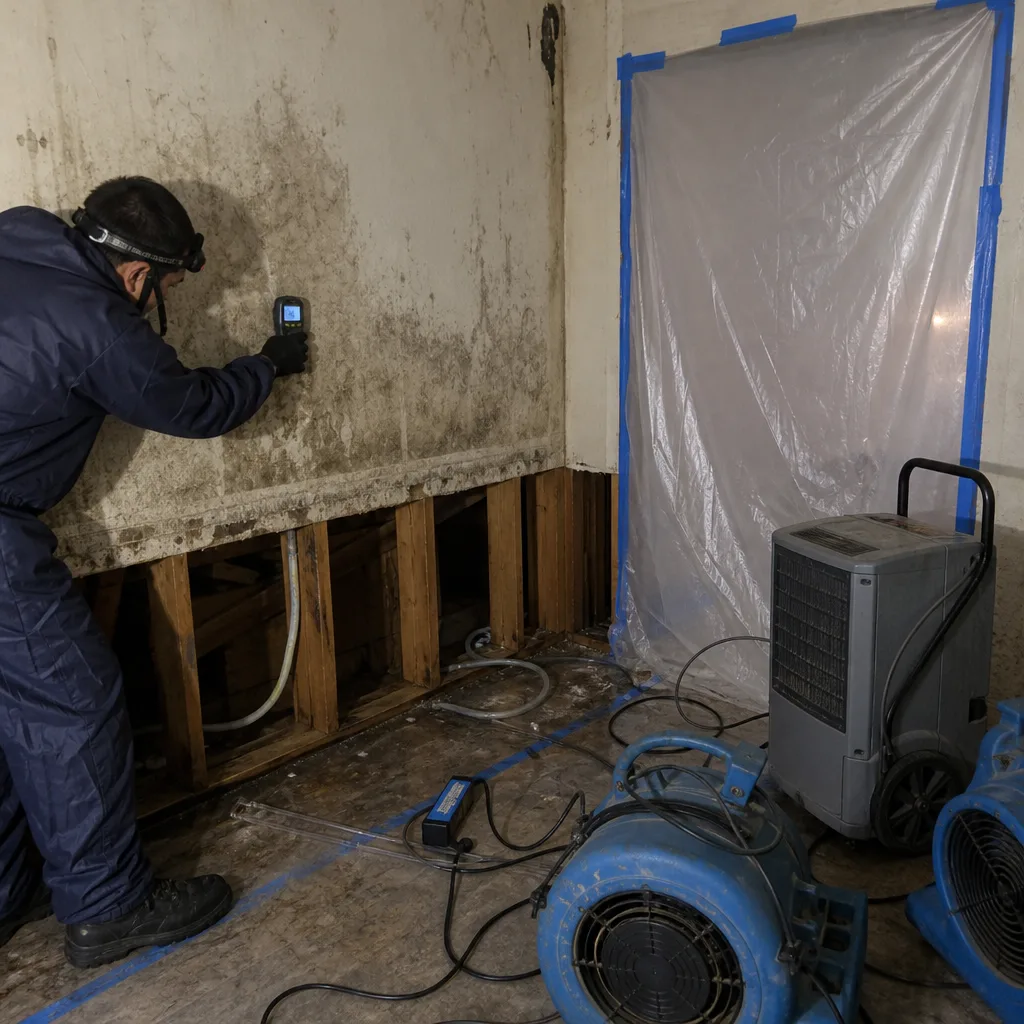 Before
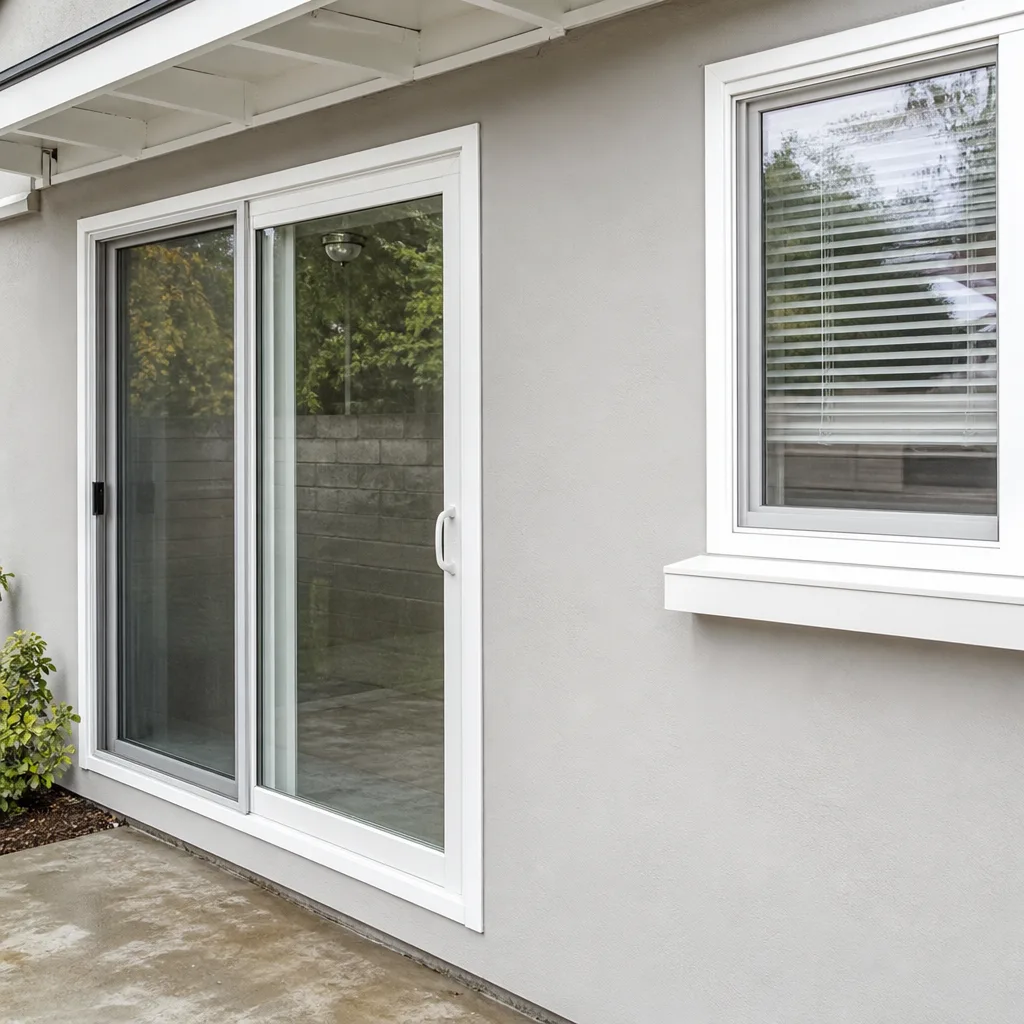 After
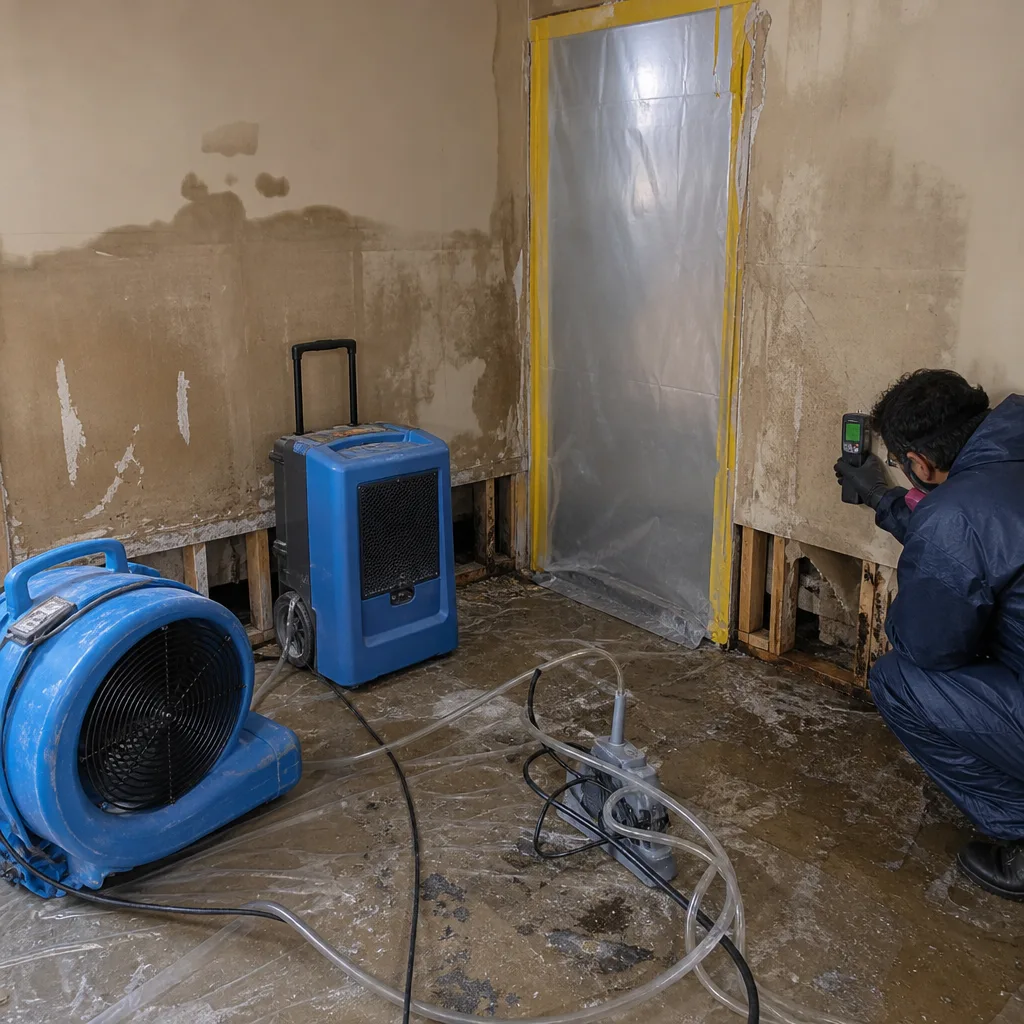 Before
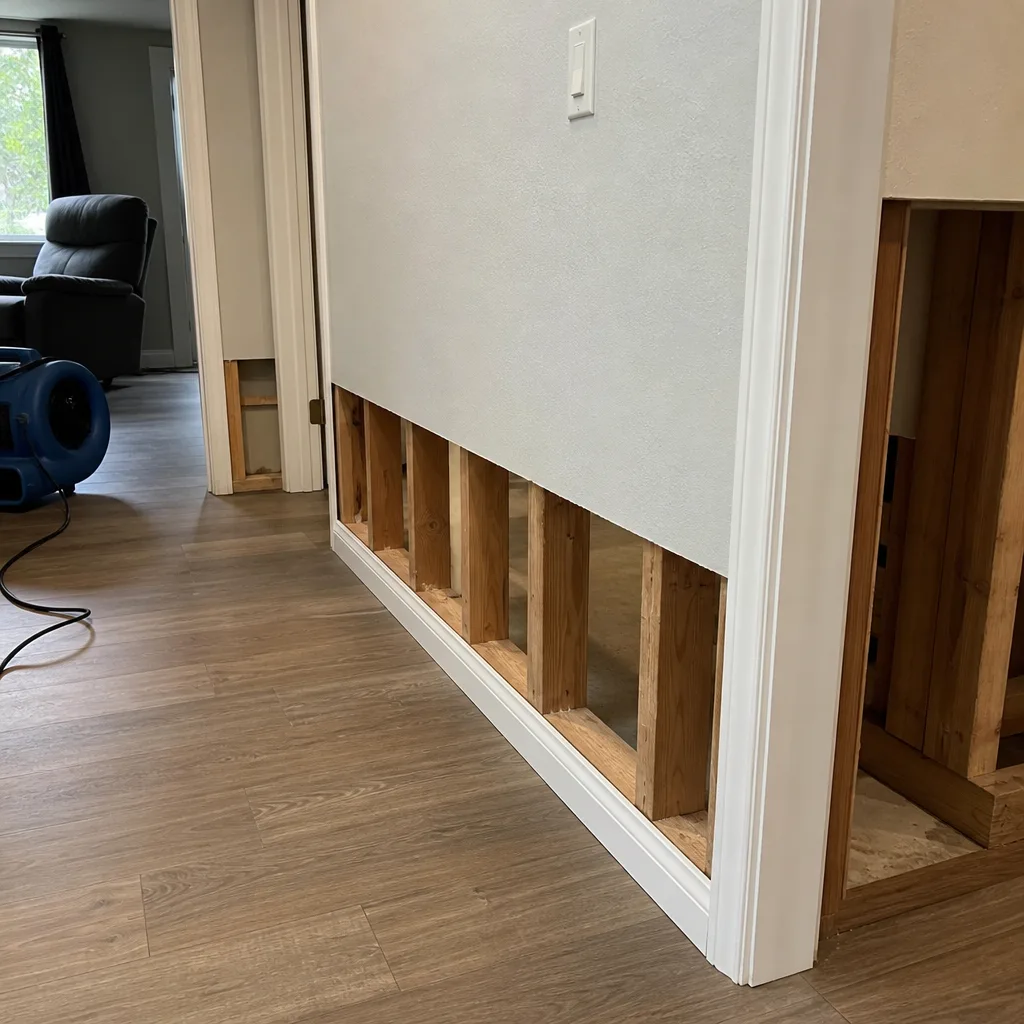 After
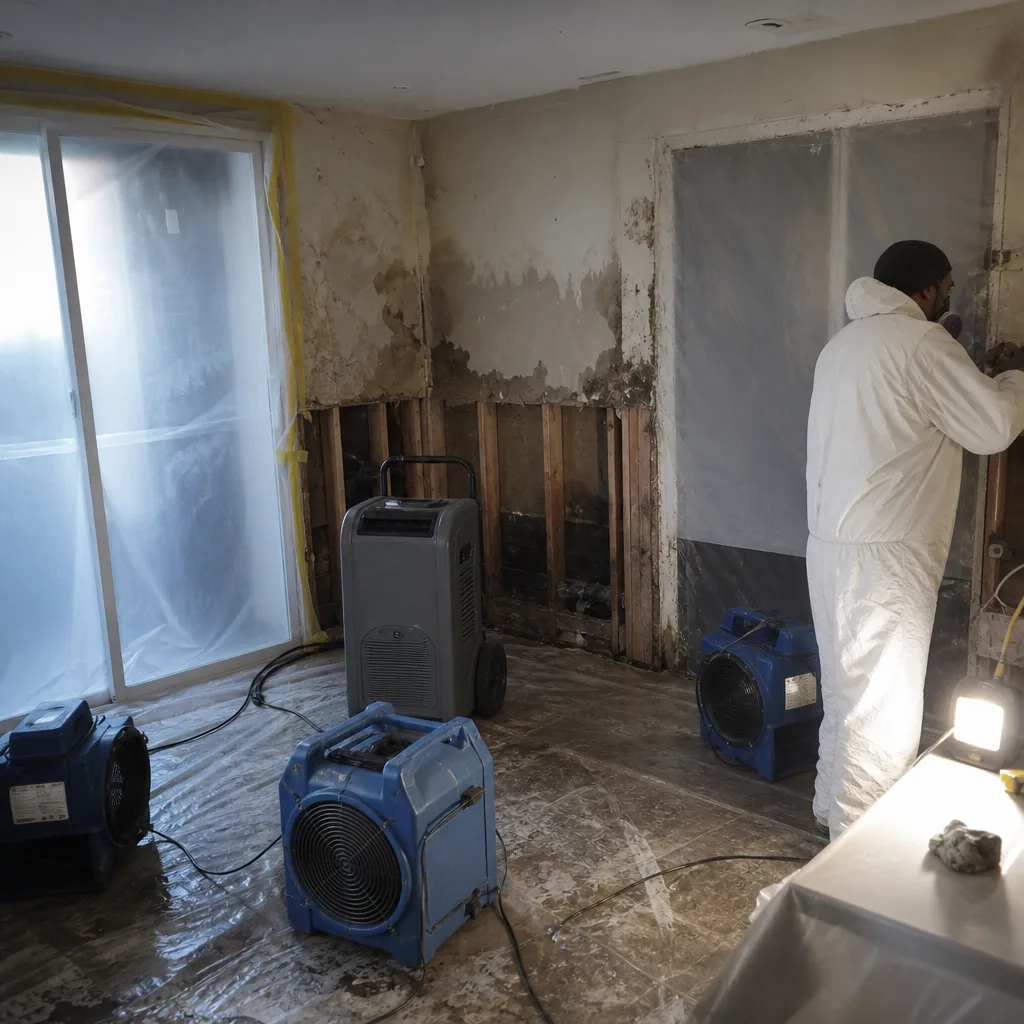 Before
 After