Last updated October 31, 2026
 Water damage drying
 Fire & smoke cleanup
 Mold remediation
 Storm response
 Sewage cleanup
 Reconstruction
Free visual inspection and a written scope of work before any mitigation begins - photos, moisture readings, and drying logs go in your claim file
The scope we write is the scope we bill. Anything new gets shown to you, in writing, before we touch it.
Get your free estimateHow to Hire a Damage Restoration Contractor in Orange: A Step-by-Step Guide
After a major water event, the first contractor on your doorstep in Orange is often a storm chaser who purchased your address from a lead service, not a local company. Their contract may include an Assignment of Benefits clause that removes you from your own insurance negotiation before you’ve even filed the claim. This guide and our Water Damage Restoration Troubleshooting: Common Problems and How to Fix Them give you the exact vetting sequence used by experienced public adjusters, so you can spot which answers to distrust, which credentials to verify independently, and which contract language to refuse outright. By the time you finish reading, you’ll have a repeatable process for hiring a restoration contractor in Orange that protects both your property and your claim.
Quick Answer
To hire a damage restoration contractor in Orange, verify their IICRC certification directly through the IICRC registry, confirm they hold a valid CSLB contractor’s license, demand a written scope of work that includes equipment lists, placement diagrams, daily moisture logs, and drying goals in GPP (grains per pound), and refuse any contract containing an Assignment of Benefits clause. For a complete reference, see our Water Damage Restoration Maintenance Checklist for Orange Homeowners. Never select a restoration contractor based on the lowest bid, because in this industry compressed drying timelines hide incomplete work rather than efficiency.
Restoration work we handle
Table of Contents
- Why the First Contractor Who Calls Is Often the Wrong One
- Step 1: Verify IICRC Certification Through the Registry, Not the Business Card
- Step 2: Confirm the Three License Types a Restoration Contractor in Orange Should Hold
- Step 3: Read the Contract for Assignment of Benefits Language Before Signing Anything
- Step 4: Demand a Written Scope of Work That Goes Beyond a One-Page Estimate
- Step 5: Ask About Equipment Brands and Drying Protocols by Name
- Step 6: How to Spot a Bid That Cuts Drying Days Disguised as Efficiency
- Step 7: Understand Who Actually Deals With Your Adjuster
Why the First Contractor Who Calls Is Often the Wrong One
Water damage in Orange attracts out-of-town contractors the way a slow pitch attracts a cleanup hitter. Within hours of a pipe burst, washing machine overflow, or rain intrusion, your phone starts ringing. The callers sound professional. They use phrases like “rapid response” and “emergency mitigation.” What they rarely tell you is that many of them bought your address from a lead generation service that monitors water damage claims, emergency dispatch calls, and even social media posts. They’re not local to Orange. They don’t know that older homes near Old Towne have plaster walls that dry differently than the drywall in newer tracts near Orange Park Acres. And their business model depends on signing you before a local, certified firm can get to your door.
In our experience, the heaviest marketing spend in this industry often comes from companies with the least local accountability. A contractor who has been working in Orange for years is answerable to neighbors, local property managers, and the city’s building department. A storm chaser is answerable to no one after they pack up and move to the next disaster zone. The first contractor is rarely the best contractor. Slow down enough to run the checks in this guide, and you’ll avoid the most common and costly hiring mistakes in restoration.
Step 1: Verify IICRC Certification Through the Registry, Not the Business Card
Every restoration contractor’s website mentions IICRC. Very few homeowners know what it actually means, and even fewer know how to check it. The Institute of Inspection, Cleaning and Restoration Certification maintains a public registry of certified technicians. If someone tells you they’re IICRC-certified, you can confirm it yourself by visiting the IICRC website and searching the registry by name or company. A business card that says “Certified” without a verifiable registry entry is a red flag, not a credential.
Here’s the important distinction most contractors hope you don’t notice. IICRC certification is issued to individuals, not companies. A company can claim “IICRC-certified technicians” while only one employee holds certification, and that employee may never step foot on your property. Ask this question directly: “Will the technicians assigned to my job be IICRC-certified, and can I have their names and certification numbers?” Legitimate firms won’t hesitate. They’ll provide names before work begins.
What the IICRC Certifications Actually Mean
The IICRC certifies technicians in specific disciplines through documented, peer-reviewed standards. The two certifications most relevant to water damage in Orange are:
- WRT (Water Restoration Technician): This certification covers the fundamentals of water damage restoration, including extraction, drying science, and equipment placement. It’s the baseline credential anyone touching a water loss should hold.
- ASD (Applied Structural Drying): This advanced certification goes deeper into psychrometrics, the science of drying complex building assemblies. An ASD-certified technician understands how moisture moves through walls, subfloors, and crawl spaces, and how to dry those cavities without unnecessary demolition.
Ask for both. A WRT certification is entry-level competence. ASD certification signals that the technician understands the science behind moisture movement in structures, which matters enormously in Orange’s climate, where coastal humidity and older home construction create drying challenges that a basic certification doesn’t address. For year-round guidance on these challenges, see our Seasonal Damage Restoration Care for Orange: Year-Round Homeowner’s Guide. The IICRC S500 standard for water damage restoration is the document these certifications are built around, and a technician who can reference it by name is working from protocol, not guesswork.
Step 2: Confirm the Three License Types a Restoration Contractor in Orange Should Hold
Licensing confusion works in favor of unqualified contractors. Homeowners reasonably assume that if someone is licensed, they’re qualified for the job at hand. Restoration in Orange sits at the intersection of construction, environmental safety, and insurance work, which means one license is rarely enough. A legitimate restoration contractor should hold three distinct credentials.
1. CSLB Contractor’s License
The California Contractors State License Board issues contractor’s licenses in specific classifications. A restoration contractor in Orange should hold a CSLB license in a classification that covers the work they’re performing. The most common classifications for restoration work include C-61 (limited specialty) with a D-64 subcategory for water damage restoration, or a B (general building) classification for firms that handle reconstruction after the mitigation phase. You can verify any CSLB license online through the board’s license lookup tool. Check that the license is active, that the business name matches, and that there are no outstanding disciplinary actions.
2. IICRC Firm Certification
Individual technician certification is one thing. Firm certification is another. An IICRC-certified firm has committed to maintaining certified technicians on staff, following IICRC standards on every job, and participating in ongoing education. This matters because a company can hire one certified technician and use uncertified crews on most jobs. Firm certification creates accountability at the organizational level, not just the individual level.
3. EPA RRP Certification (If Your Home Predates 1978)
Orange has a substantial stock of older homes, particularly in the neighborhoods surrounding Old Towne and the areas near Chapman University. If your home was built before 1978 and the restoration work will disturb painted surfaces, the contractor must be certified under the EPA’s Renovation, Repair and Painting (RRP) rule. This certification ensures the crew knows how to contain and clean lead dust safely. It’s not optional for pre-1978 homes, and any contractor who waves it off is either uninformed or cutting corners.
Step 3: Read the Contract for Assignment of Benefits Language Before Signing Anything
This is the step that protects you from the single most dangerous document in the restoration industry. An Assignment of Benefits, or AOB, is a clause that transfers your rights to an insurance claim from you to the contractor. Once signed, the contractor can negotiate directly with your insurance company, file claims on your behalf, and in many cases, receive payment directly. You’re removed from the conversation. If the contractor inflates the scope or disputes the insurer’s payment, that dispute becomes a legal fight between the contractor and your insurance company, and you own the outcome.
Florida’s well-documented AOB abuse crisis led to regulatory reform there. California’s AOB landscape is less permissive, but the risk remains real. Some contractors in California use language that functions like an AOB without using those exact words. Look for phrases like “direct payment authorization,” “assignment of rights and benefits,” “power of attorney for claim purposes,” or any language that authorizes the contractor to act on your behalf in insurance matters. Refuse them all. You want a contractor who works with your adjuster, not one who replaces you in the relationship.
Language to Refuse on Sight
- “The owner hereby assigns all rights, benefits, and proceeds of any insurance claim to the contractor.”
- “The contractor is authorized to negotiate directly with the insurance carrier on the owner’s behalf.”
- “Payment is due from insurance proceeds regardless of the claim outcome.”
- “The owner waives the right to dispute the scope of work after work commences.”
- “The contractor shall be named as a co-payee on all insurance checks.”
A legitimate restoration contractor in Orange will provide a detailed work authorization for you to sign after you approve a written scope of work. That authorization describes the work to be performed and the rate structure. It doesn’t transfer legal rights. If the contract is longer than two pages and includes dense legal language you’d need a paralegal to parse, slow down and get a second opinion. The urgency is real after water damage, but signing away claim rights is a permanent decision made in a temporary panic.
Step 4: Demand a Written Scope of Work That Goes Beyond a One-Page Estimate
The difference between a one-page estimate and a legitimate scope of work is the difference between a handshake and a contract. An estimate says: “Water damage restoration: $2,400.” A scope of work says exactly what will be done, with what equipment, for how long, and to what measurable standard. Restoration contractors operating without a documented scope are asking you to trust that they’ll do the right thing. In our experience, the right thing should be written down before anyone plugs in a dehumidifier.
A legitimate pre-work scope document in Orange should include at minimum:
- Equipment list: The exact number and type of air movers, dehumidifiers, and any specialty drying equipment to be deployed. Not just “drying equipment” but “6 XPOWER air movers and 3 Dri-Eaz dehumidifiers.”
- Placement diagram: A sketch or description of where each piece of equipment will be positioned and why. This demonstrates the technician has thought through the airflow and drying strategy rather than dropping equipment in a room and hoping.
- Daily moisture log commitment: A written commitment to document moisture readings daily, with the data made available to you and your adjuster. If a contractor can’t commit to daily documentation, they can’t prove the drying is working.
- Drying goals in GPP: GPP stands for grains per pound, the unit of measurement for absolute humidity in the air. A proper drying goal specifies a target GPP that demonstrates the affected materials have returned to their pre-loss moisture content. “We’ll dry it until it feels dry” is not a drying goal. “We’ll achieve a GPP reading within 10% of the unaffected baseline in the adjacent room” is.
- Duration and monitoring schedule: The expected number of drying days and the schedule for monitoring visits.
If a contractor resists providing this detail before work begins, that resistance is information. It tells you they either don’t measure their work or don’t want you to hold them to a standard. Either way, you’re better off calling someone else.
Step 5: Ask About Equipment Brands and Drying Protocols by Name
Generic equipment language is a tell. A contractor who says “we’ve got fans and machines” is telling you they don’t know or don’t care about the distinction between professional restoration equipment and the air mover you can buy for $60 at a hardware store. The difference matters. Commercial-grade drying equipment moves more air, removes more moisture, and runs more reliably than consumer-grade substitutes. And specific brands have specific reputations in the industry for a reason.
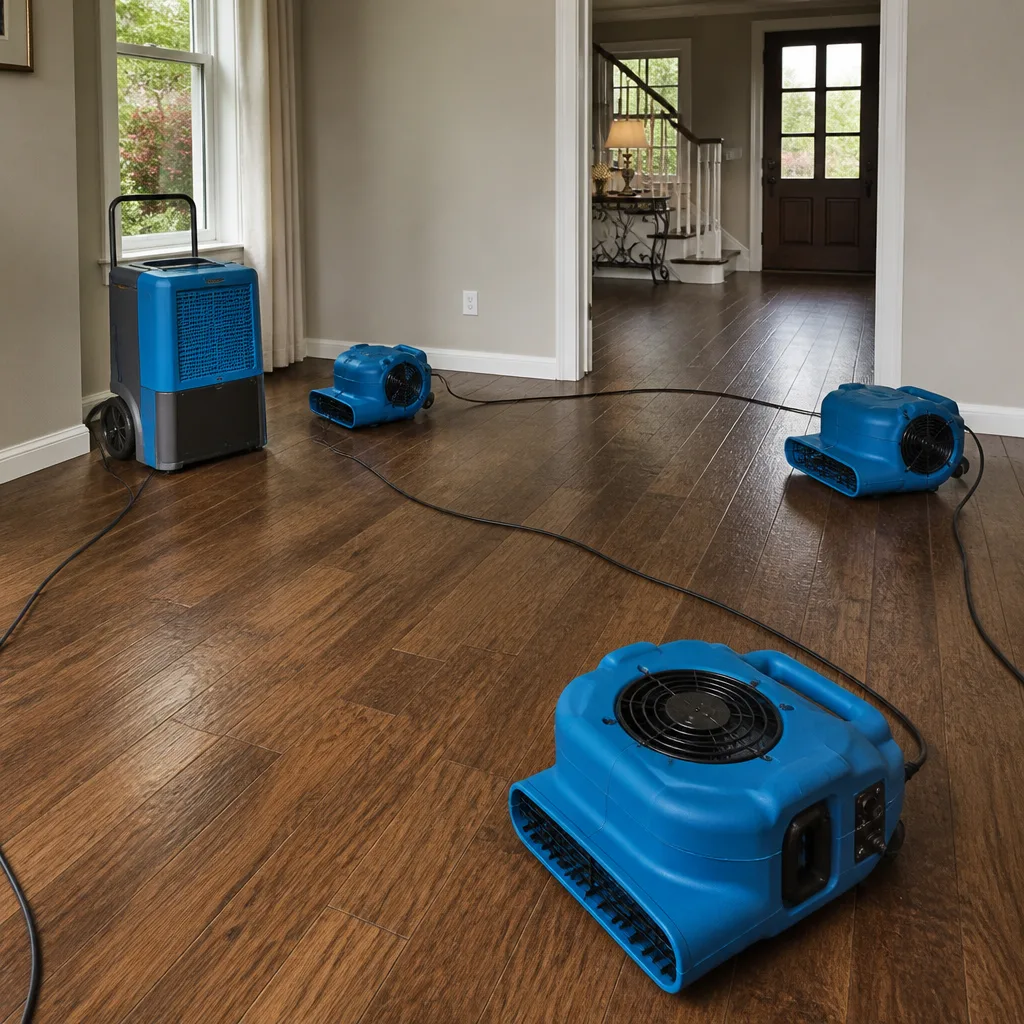
Dri-Eaz and Phoenix dehumidifiers are workhorses of professional water restoration. They’re built for continuous operation over days or weeks, which is exactly what a structural drying project requires. XPOWER and B-Air air movers produce the high-velocity airflow that accelerates surface evaporation. Injectidry systems are a different category entirely. Injectidry wall-cavity drying panels force dry air into the spaces inside walls and under subfloors, where moisture hides and where conventional equipment can’t reach. Without cavity drying, a contractor often has to tear out drywall or flooring to dry what’s behind it. With Injectidry, that demolition can sometimes be avoided entirely, which means a smaller repair bill and a faster return to normal.
When you ask a contractor what equipment they’ll use, listen for specific brands and model lines. “We use professional-grade equipment” is a non-answer. “We run Dri-Eaz dehumidifiers and Injectidry panels on wall cavities” tells you the contractor understands drying science and has invested in the tools to apply it. Renew Water Damage uses exactly this equipment on residential and commercial jobs in Orange, because the same tools that dry a flooded office building dry a flooded living room. The equipment doesn’t know the difference between commercial and residential. The contractor should know how to deploy it either way.
Step 6: How to Spot a Bid That Cuts Drying Days Disguised as Efficiency
The lowest bid in restoration almost always reflects a compressed drying timeline. Here’s why. The actual cost of a restoration job is driven primarily by three things: labor hours, equipment rental days, and the scope of material removal. If a contractor wants to bid low, they have to cut one of those three. The easiest cut is drying days. Pull the equipment after three days instead of five. Declare the structure dry when it isn’t. The homeowner can’t see the moisture inside the wall cavity, so the corner cut stays invisible until the mold appears or the floor buckles months later.
Be specific in your scrutiny. Ask: “How many drying days are you bidding, and what happens if the structure isn’t dry when that number is reached?” A legitimate contractor answers: “We monitor daily, and if readings show the structure hasn’t hit the drying goal, we keep the equipment running and adjust the scope with documentation.” A compressed bid answers: “Three days is standard for a job like this.” There is no standard for drying days. Every loss is different. The drying goal is a physical measurement, not a schedule.
Orange’s climate complicates this. Our humidity levels, particularly in summer months and in homes without adequate ventilation, can slow evaporation and extend drying times. A contractor who bids three drying days for a Category 2 water loss in a 1960s home with plaster walls and no air conditioning in August is either cutting corners or hasn’t thought through the psychrometrics. Neither is acceptable. The IICRC S500 standard provides reference data for drying times under various conditions, and a knowledgeable contractor can walk you through why your specific job will take the time it takes.
Step 7: Understand Who Actually Deals With Your Adjuster
Insurance coordination is where restoration contracts create hidden friction. When you hire a restoration contractor, you’re not just hiring a crew with equipment. You’re hiring a company that will interact with your insurance adjuster, submit documentation that shapes your claim, and in many cases, bill your insurance directly. Who handles that communication matters.
Here’s the sequence that works. After you’ve agreed on a written scope of work, your contractor should document the damage photographically before any mitigation begins. Those photos become evidence in your claim. The contractor should then communicate the scope and the drying plan to your adjuster, providing moisture readings, equipment lists, and the daily log as the job progresses. If the adjuster requests additional information or disputes a line item, the contractor should handle that back-and-forth directly with documentation, keeping you informed but not burdened. You should never be the middleman relaying messages between your contractor and your insurance company.
This is where the Assignment of Benefits discussion from earlier intersects with the insurance process. A contractor working without an AOB can still coordinate with your adjuster. The difference is that you retain the right to approve the scope, dispute the claim decision, and receive the insurance payment. A contractor working under an AOB takes those rights from you. The insurance process runs smoother when everyone is at the table with the same information and you remain the decision maker.
Common Mistakes to Avoid
- Hiring before verifying IICRC certification through the registry. A logo on a website is not verification. The registry is public and searchable. Take five minutes to check it.
- Signing a work authorization without reading every paragraph. AOB clauses hide in dense language. If you don’t understand a clause, ask a lawyer or a public adjuster before signing. Restoration contracts are not emergency documents.
- Selecting the lowest bid without comparing drying days. In Orange’s climate, the lowest bid often means the shortest drying timeline, which means incomplete drying and future mold. Compare scope detail, not just price.
- Accepting “we’re certified” as sufficient proof. Ask for the technician’s name, certification number, and the specific certification held. Then verify it. If they can’t provide it, they don’t have it.
- Not asking about cavity drying for wall and subfloor moisture. Moisture hides where equipment can’t reach. A contractor without cavity drying capability will either miss it or demo it. Both outcomes cost you more than they should.
- Paying a large deposit before the scope is finalized in writing. A legitimate restoration contractor in Orange will finalize the scope before requesting payment. Large upfront deposits before any documentation is a red flag.
- Skipping the pre-1978 lead question on older Orange homes. If your home near Old Towne or Chapman University predates 1978 and the contractor isn’t EPA RRP certified, the work isn’t being done legally.
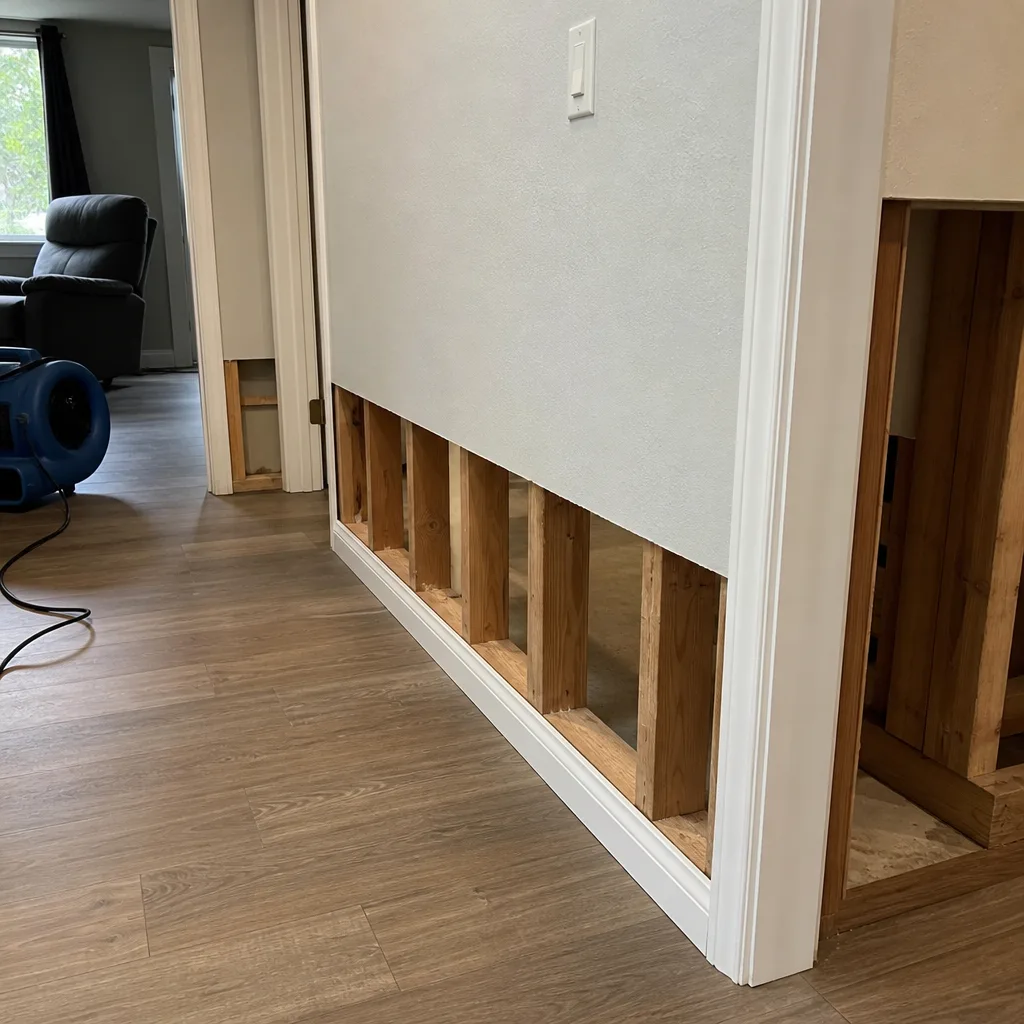
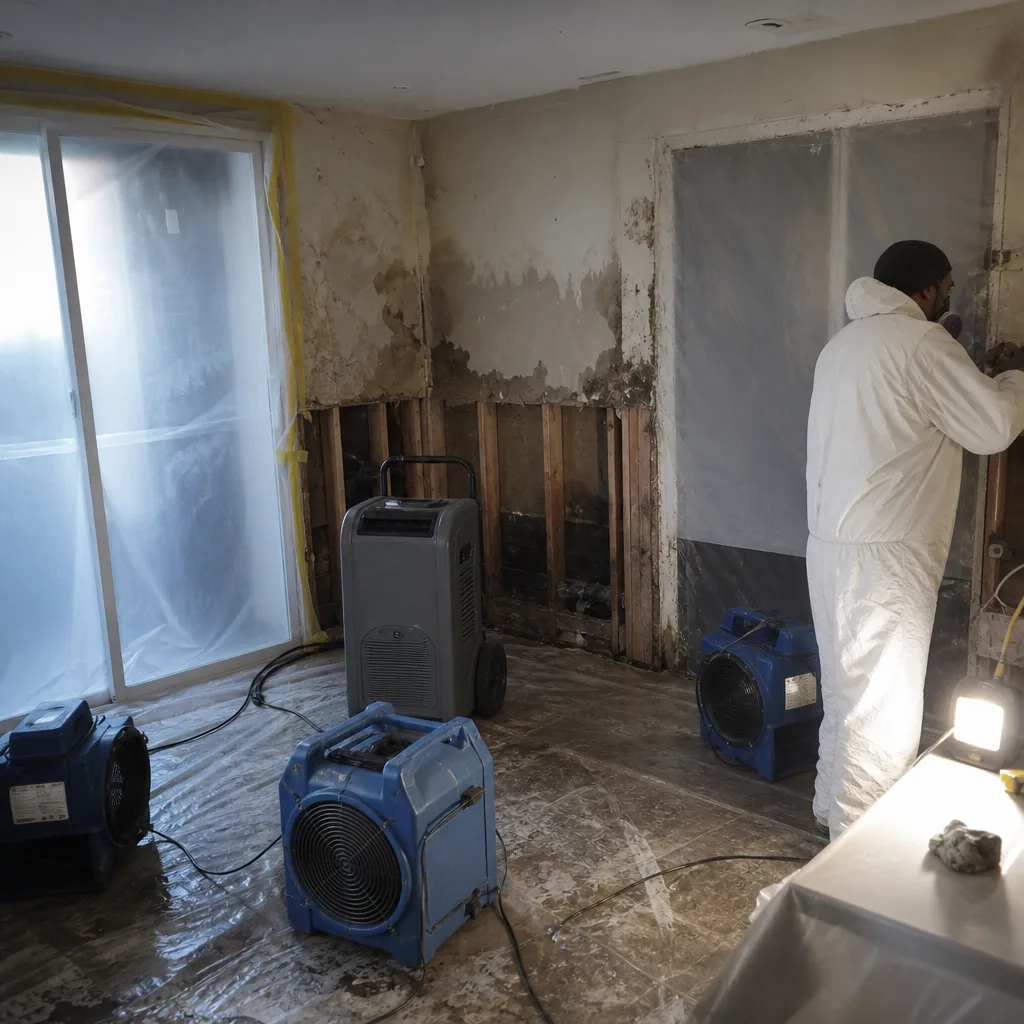
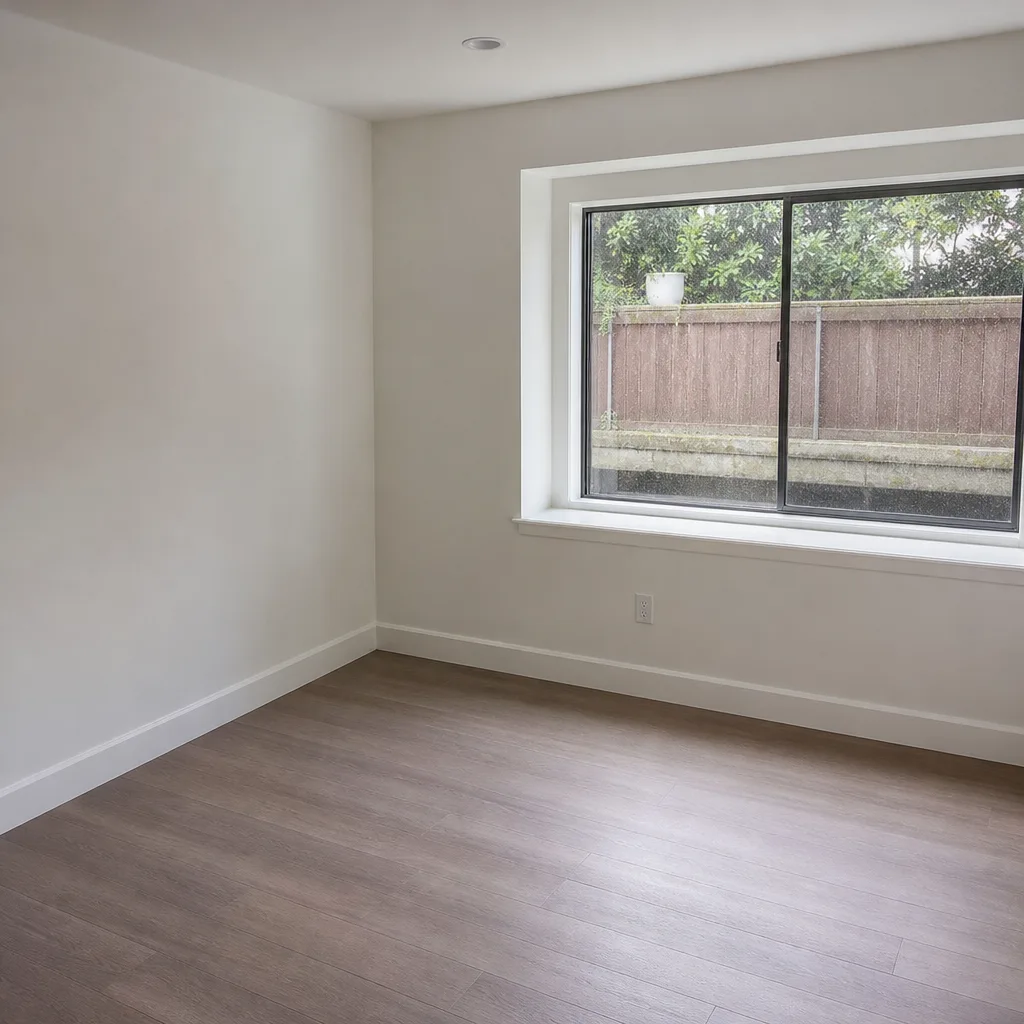
See the difference
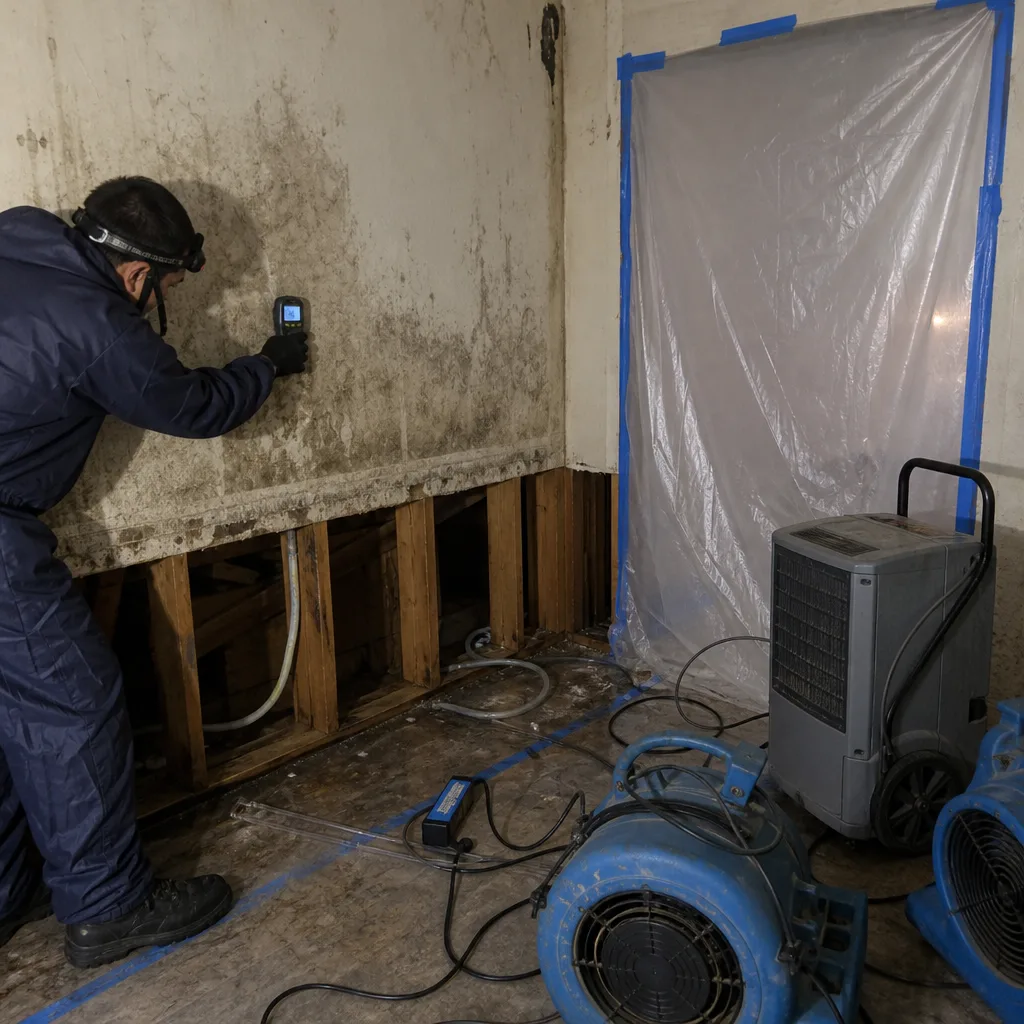 Before
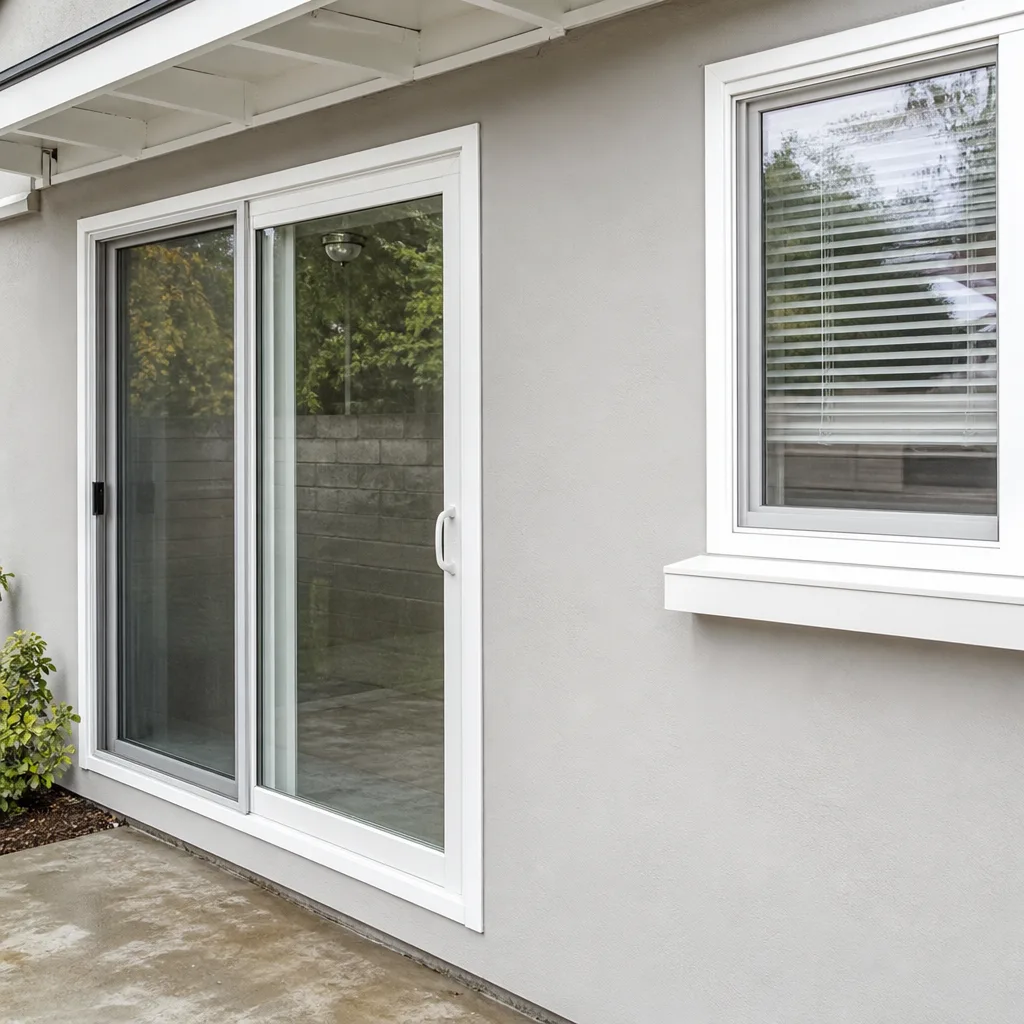 After
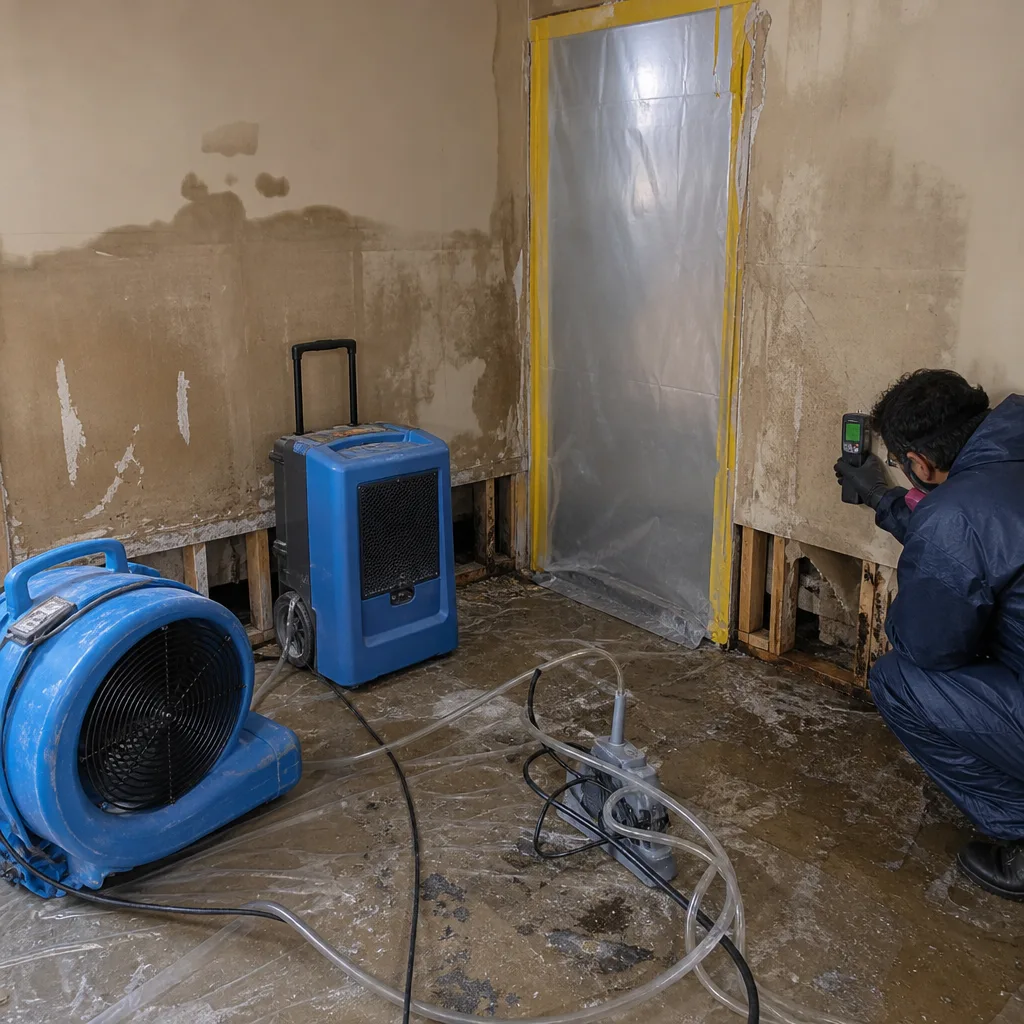 Before
 After
 Before
 After
When to Call a Professional
Water damage is never a wait-and-see situation. Call a professional immediately if water has penetrated walls, flooring, or ceilings, if the water source is contaminated (sewage or exterior flood water), if your home smells musty or you can see visible mold growth, or if your electrical system was exposed to moisture. The same urgency applies after a fire, where smoke and soot damage spreads and deepens by the hour. A certified contractor can assess the damage, contain it, and begin mitigation before secondary damage takes hold. Renew Water Damage offers free estimates in Orange. Call (833) 620-3891 and we’ll walk you through what you’re seeing, what it means, and what the next steps should be. No pressure, no obligation, just a straight answer from a technician who knows this work. For more guides & resources, visit our blog.
Frequently Asked Questions
Visit the IICRC website and use the public certification registry search. Enter the technician’s name or the company name. The registry will show the specific certifications held, the certification numbers, and the dates they were issued. If a contractor claims IICRC certification but doesn’t appear in the registry, ask for clarification. In our experience, legitimate firms are happy to provide certification numbers before work begins.
An Assignment of Benefits clause legally transfers your insurance claim rights to the contractor, removing you from negotiations and payment decisions. Once signed, the contractor can dispute your insurer’s payment directly and you’re left with the outcome. California’s regulatory environment around AOB is less permissive than Florida’s, but restrictive language that functions similarly still appears in restoration contracts. Refuse any clause that assigns rights, benefits, or proceeds to the contractor.
Drying time depends on the water category, the materials affected, the extent of saturation, and Orange’s ambient humidity. A Category 1 water loss affecting drywall and carpet might dry in three to five days under optimal conditions. A Category 2 or 3 loss affecting plaster walls, subfloor, or wall cavities can take a week or more. The drying goal should be expressed in GPP (grains per pound) measurements, not days. A contractor who promises a specific day count before assessing the loss is guessing.
Homeowners insurance typically covers sudden and accidental water damage, such as burst pipes or appliance failures. Gradual leaks, groundwater flooding, and sewer backup often require specific policy endorsements. Your restoration contractor should document the damage photographically and provide moisture readings that support your claim. The best approach is to call your insurer as soon as the damage occurs and have your restoration contractor communicate directly with the adjuster using the written scope and daily documentation.
A legitimate restoration estimate should include the equipment list with specific brands, a placement diagram or description, the daily monitoring commitment, drying goals in GPP, the expected duration, and the rate structure for labor and equipment. A one-page estimate with a single line item like “water damage restoration: $2,400” is not sufficient. The scope should be detailed enough that you and your adjuster can verify the work was performed to standard.
Restoration pricing varies based on equipment quality, drying duration, technician certification level, and the thoroughness of the scope. A contractor using commercial-grade Dri-Eaz dehumidifiers and Injectidry cavity drying systems will price differently than one using consumer-grade equipment and shorter drying timelines. The lower bid is usually lower because something is being cut: drying days, equipment quality, documentation, or certification. In restoration, the details you can’t see are where the money goes.
The Bottom Line
Hiring a damage restoration contractor in Orange is a process, not an impulse. Verify certifications through the IICRC registry before trusting a logo. Confirm CSLB licensing and EPA RRP certification when applicable. Read every contract paragraph and refuse Assignment of Benefits language. Demand a written scope of work with equipment lists, placement diagrams, daily moisture logs, and GPP drying goals. Ask about equipment by brand, because the difference between commercial-grade drying gear and consumer fans is the difference between a dried structure and a future mold problem. The lowest bid is usually a compressed timeline, and compressed timelines hide incomplete work. Take the time to vet properly, and you’ll hire a contractor who works from documented standards rather than guesswork. If you’re dealing with water, mold, or fire damage in Orange, we’re glad to answer questions and provide a free estimate. Call (833) 620-3891 and talk to a technician who knows this work. For more on our process, start at our Renew Water Damage home page, or explore our Water Damage Restoration in Orange, Mold Remediation in Orange, and Fire Damage Restoration in Orange services.
Written by the team at Renew Water Damage, serving Orange since 2015.