
Last updated October 31, 2026
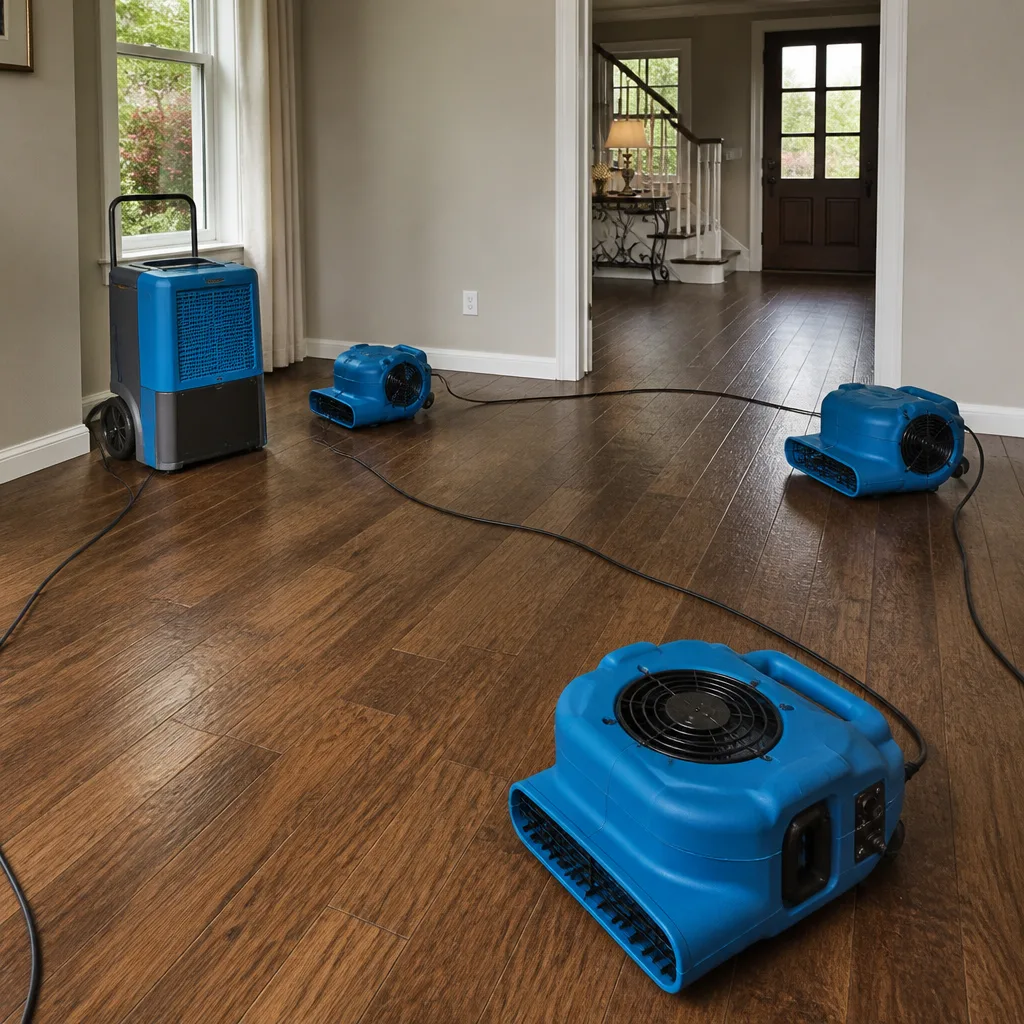 Water damage drying
 Fire & smoke cleanup
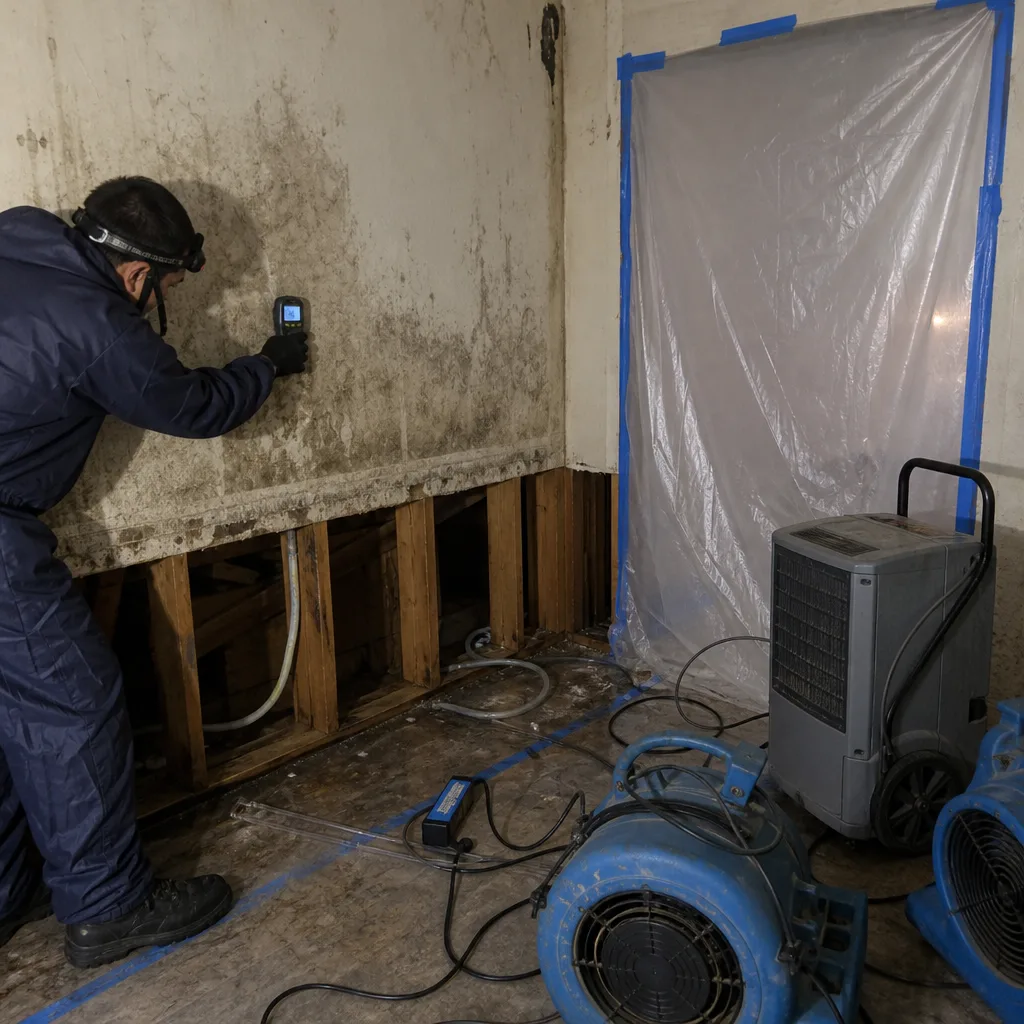
 Mold remediation
 Storm response
 Sewage cleanup
 Reconstruction
Free visual inspection and a written scope of work before any mitigation begins - photos, moisture readings, and drying logs go in your claim file
The scope we write is the scope we bill. Anything new gets shown to you, in writing, before we touch it.
Get your free estimateSeasonal Damage Restoration Care for Orange: Year-Round Homeowner’s Guide
Most homeowner maintenance calendars are built for places with snow, freeze-thaw cycles, and a dormant winter. Orange doesn’t follow that calendar, and treating our climate like the national average is how small moisture problems become five-figure restoration jobs. The National Weather Service documented that Orange County received more than 200% of average rainfall during the 2022 – 23 atmospheric river season, most of it arriving in concentrated multi-day bursts that overwhelmed drainage systems which hadn’t been touched since the previous rain year. This guide restructures seasonal care around what actually happens here: atmospheric river deluges from November through March, UV and heat stress from June through September, and Santa Ana wind debris from September through November. You’ll learn how to read Orange’s damage calendar, what to inspect before each risk season, and when a moisture reading means you need a professional restoration crew rather than a towel and a fan.
Restoration work we handle
Quick Answer
Seasonal damage prevention in Orange means preparing for three distinct risk windows: clearing roof drainage and extending downspouts before November atmospheric river storms, monitoring AC condensate lines and window caulking during June-to-September heat, and clearing roof debris after September-to-November Santa Ana winds. Homes built with stucco and Spanish tile, the two most common exterior assemblies in Orange, fail in predictable ways that a pre-season checklist catches early, but a pin-type moisture meter reading above 20% inside a wall cavity means you need a certified restoration assessment, not a DIY fix.
Table of Contents
- The Real Orange Damage Calendar: Why National Advice Fails Here
- Atmospheric River Prep: The October – November Pre-Season Checklist
- How to Read Orange’s Rainfall Data and Assess Your Drainage Capacity
- Summer Stress Vectors: UV, Condensate, and Caulking Shrinkage
- Santa Ana Wind Season: Debris, Chimney Flashing, and Backflow Preventers
- Post-Rain Season Assessment: Efflorescence and Wall-Cavity Moisture Testing
- Common Mistakes to Avoid
- When to Call a Professional
- Frequently Asked Questions
- The Bottom Line
The Real Orange Damage Calendar: Why National Advice Fails Here
Every national home-maintenance article tells you to disconnect garden hoses in October and check your furnace in September. That advice assumes a freeze cycle. Orange’s average low in January is 47 degrees. We don’t have freeze-thaw heaving on foundations or ice dams on eaves. What we have is worse in some ways because it operates invisibly: sustained moisture intrusion during weeks of rain, ultraviolet degradation of building materials that happens year-round, and wind-driven debris that converts minor drainage clogs into full water-pooling events.
The actual damage calendar for Orange properties runs like this:
- November through March: Atmospheric river events deliver rain in short, intense bands. A single storm can drop 2 to 4 inches in 24 hours. The ground, already saturated from earlier storms, can’t absorb it. Water moves across the surface and finds the lowest entry point on your property, which is often a foundation crack, a below-grade window well, or a garage slab joint.
- April through May: The ground is saturated, the air is warming, and the first heat events begin. This is when efflorescence blooms on stucco, when mold spores find damp wall cavities, and when homeowners discover that water didn’t leave after the last storm. It just moved deeper.
- June through September: UV radiation degrades TPO and modified-bitumen roof membranes, AC condensate lines clog under extended runtime, and caulking around window flanges shrinks and cracks. These are dry-season damage vectors that set up the next rain season’s failures.
- September through November: Santa Ana winds strip dry leaves, palm fronds, and debris into roof valleys and drains. Then the first atmospheric river hits, and every debris-filled drainage path becomes a standing-water source within hours.
In our experience working on water damage restoration in Orange, the calls we get in January and February trace back to failures that started months earlier: a roof valley that was never cleared after Santa Ana season, an AC condensate line that cracked during a heat wave and was never replaced, a downspout that had been discharging against the foundation since the summer before. The damage isn’t random. It follows the calendar.
Atmospheric River Prep: The October – November Pre-Season Checklist
Atmospheric river season is the single highest-risk window for Orange property owners. Unlike a slow, soaking winter rain, an atmospheric river event delivers concentrated moisture over 24 to 72 hours. Drainage systems that haven’t been serviced fail fast. The 2022 – 23 season demonstrated this: some Orange County sub-areas received entire rain-year totals in under a week, and the resulting water intrusion claims overwhelmed local restoration capacity for months.
Here is the pre-season checklist we recommend for every Orange homeowner, ordered by the most common failure points we see year after year:
- Inspect roof membrane and flashing, focusing on penetrations. Walk the roof if safe, or use binoculars from the ground. Look for lifted shingles on composition roofs, cracked cap tiles on Spanish-tile roofs, and separated membrane seams on flat TPO roof sections. Flat roof sections on Orange homes, especially mid-century and ranch-style construction, are the most common leak source. Pay particular attention to chimney flashing and plumbing vent boots, which degrade from UV exposure and fail before the surrounding roof material.
- Clear roof valleys, gutters, and scuppers of debris. Valleys and scuppers concentrate water flow. A palm frond in a valley redirects water sideways, and sideways water finds underlayment seams. If your roof has internal drains rather than edge gutters, clear the domes and strainers so water can enter the drain instead of ponding.
- Extend downspout discharges at least 6 feet from the foundation. Orange’s clay-rich soils expand when wet and exert lateral pressure on foundation walls. A downspout discharging 2 feet from the house is slowly feeding that expansion. Add extension elbows or splash blocks and ensure the grade slopes away from the slab for the first 10 feet.
- Clear window weep holes on stucco homes. Weep holes are the small openings at the bottom of stucco window frames that allow moisture trapped inside the frame to drain outward. When they clog with dust, spider webs, or paint, water backs up inside the wall assembly. Use a small wire or compressed air to clear them. This is a two-minute task that prevents one of the most common hidden-moisture problems we see in Orange stucco construction.
- Check threshold weatherstripping and door sweeps on exterior doors. Thresholds are low points. During intense rain, water accumulates against door frames and finds any gap. Replace compressed or cracked weatherstripping, and check that the threshold itself slopes slightly outward.
- Test your sump pump or foundation drain if you have one. Some Orange properties in lower-lying areas have sump pumps or French drains. Pour water into the sump pit and confirm the pump activates and discharges properly. If you don’t have a sump pump but your garage has flooded before, consider whether your drainage strategy is working at all.
Most of this checklist costs nothing but an afternoon. The roof inspection is the one step where we recommend professional eyes if you have a two-story home or a roof you can’t safely access. A certified restoration company can assess moisture intrusion potential without you getting on a ladder. If you’re not comfortable on your roof, call for an assessment rather than skipping the step. The cost of a visual inspection is nothing compared to replacing saturated insulation and drywall after a storm.
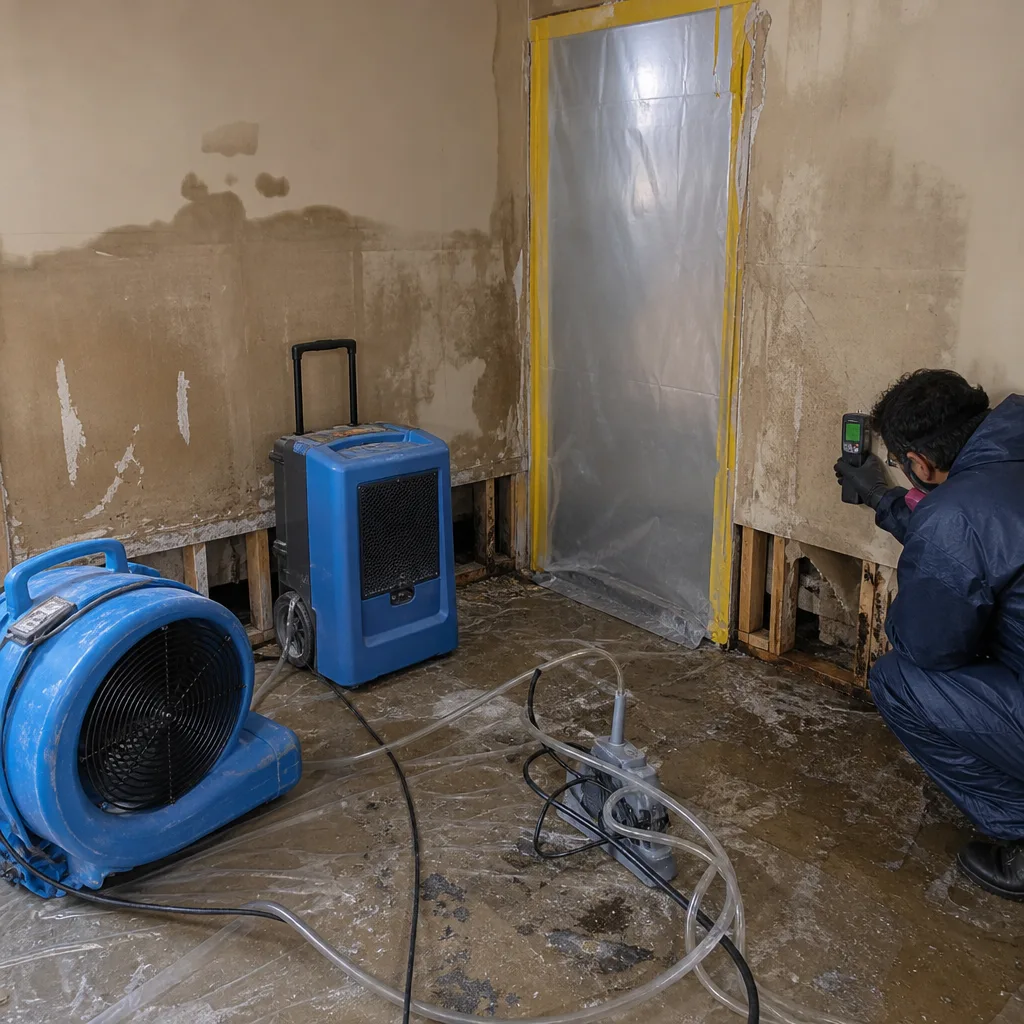
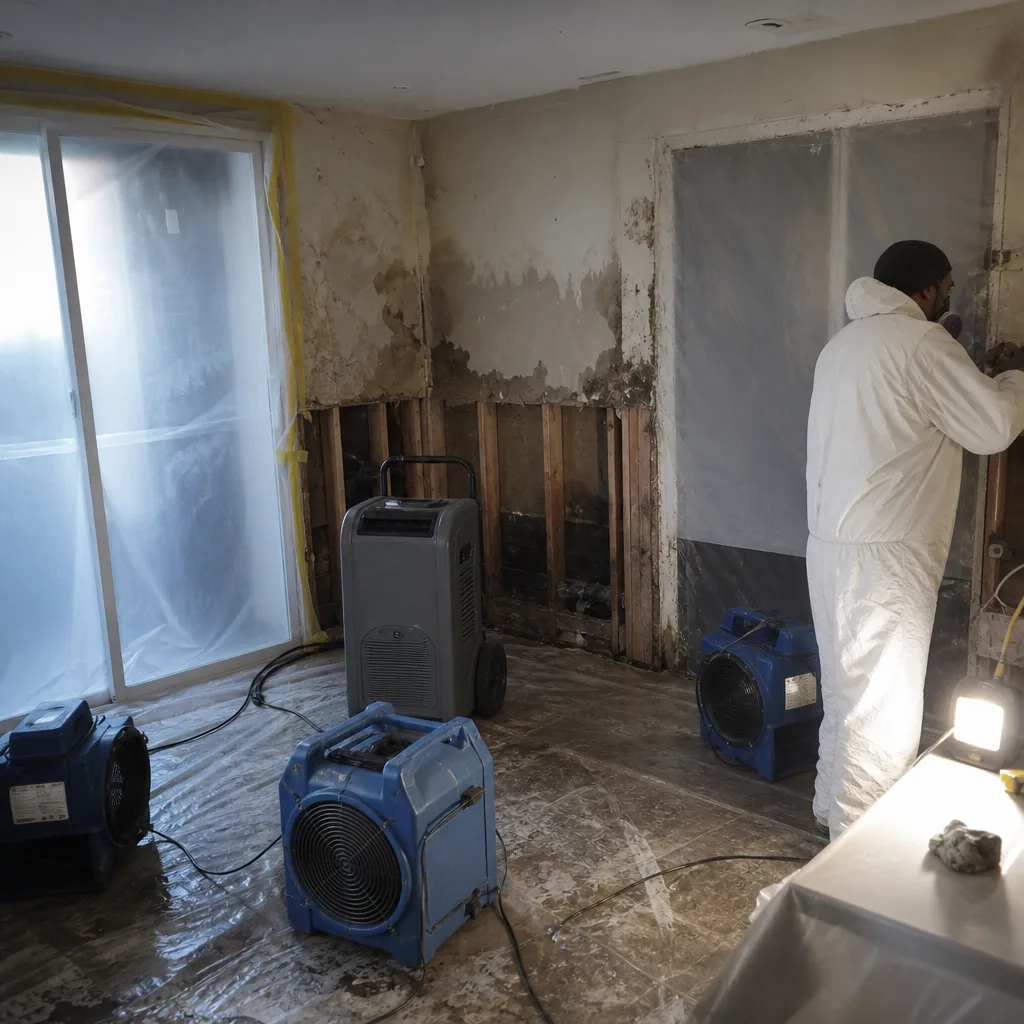
For homes that have already experienced moisture intrusion, acting fast matters. Our Water Damage Restoration in Orange team handles extraction and drying with equipment designed for full structural drying, not just surface cleanup, which brings us to the specific equipment and methods matter. Standard box fans and rental dehumidifiers won’t pull moisture from inside wall cavities. Professional drying requires calibrated dehumidifiers like Dri-Eaz and Phoenix units plus high-velocity air movers from XPOWER or B-Air to create the pressure differentials that force trapped water vapor out of building materials.
How to Read Orange’s Rainfall Data and Assess Your Drainage Capacity
Orange County Flood Control District, OCFCD, maintains a network of rain gauges across the county, and the data is public. The value of this data for a homeowner is specific: you can compare what your property experienced against the rainfall intensity your drainage was designed to handle. Most residential drainage in Orange was engineered for older, lower-intensity rainfall assumptions. NOAA Atlas 14, the current rainfall frequency standard, shows that the “100-year storm” in Orange County now produces more inches per hour than it did when many of our homes were built. In simple terms: your drainage was likely undersized for the storms we’re actually getting.
Here’s how to use the data without becoming a hydrologist:
- Find your closest OCFCD rain gauge. OCFCD publishes real-time and historical rainfall data by gauge location. Identify the gauge nearest your property. Orange has several gauges across the city, and rainfall intensity varies meaningfully from the foothills to the flats.
- Look at peak 15-minute and 1-hour intensities for major storm events. Total storm rainfall matters, but peak intensity matters more. A storm that drops 3 inches over 48 hours is manageable for most drainage. The same 3 inches in 6 hours is not. When peak 15-minute intensity exceeds roughly 0.5 inches, most residential landscape drainage begins to pond.
- Compare intensities against what you observed on your property. If the gauge recorded 0.8 inches in an hour and you saw ponding against your foundation, your drainage is under capacity for the storms that actually occur in your sub-area of Orange. That’s a data-backed signal to improve grading, add drainage, or install active pumping rather than hoping next year is drier.
The atmospheric river season of 2022 – 23 is the reference point. Sub-areas of Orange County, including parts of Orange, recorded multiple storms with 1-hour intensities above 0.75 inches. That’s not normal rain. It’s a hydrologic stress test, and properties that failed it need drainage improvements before the next comparable season, not just a patch job on the drywall.
Summer Stress Vectors: UV, Condensate, and Caulking Shrinkage
Summer in Orange is dry, but dry doesn’t mean damage-free. The June through September window creates failures that don’t show up until the first atmospheric river arrives, which is why summer damage is so insidious. You won’t see the damage in summer. You’ll see it in December when water is pouring through the crack that formed in August.
Three summer vectors matter most:
UV Degradation of Flat Roof Membranes
Flat roof sections, common on mid-century Orange homes and commercial properties, use TPO or modified-bitumen membranes. These materials degrade under sustained UV exposure. TPO develops fine surface cracks and loses plasticizer over 8 to 12 years; in Orange’s sun exposure, that timeline shrinks. The membrane becomes brittle, and seams begin to separate. When rain arrives, the membrane that looked fine in September suddenly leaks at the seams. Summer inspection should look for discoloration, surface crazing, pulled-up seam edges, and ponding areas that indicate low spots. A membrane that feels chalky to the touch is losing surface integrity.
AC Condensate Overflow During Extended Heat Events
Orange summers produce multi-day heat events where AC systems run continuously. Condensate lines, which carry the water the system pulls from the air, clog with algae, dust, and mineral buildup. A clogged line means water backs up and overflows inside the air handler cabinet or at the secondary drain pan, which gets water into the wall assembly or ceiling below. The failure often happens on day three of a heat wave, because that’s when the line finally backs up completely. Pouring a cup of white vinegar down the condensate line each spring is a simple preventive, but once overflow has occurred, water has already entered the structure. That’s when a moisture assessment matters: the visible water on the floor is usually a fraction of what’s inside the wall cavity.
Caulking Shrinkage Around Window Flanges
Window caulking in Orange cycles through daily temperature swings of 30 degrees or more during summer. That thermal cycling causes caulk to shrink, crack, and pull away from the frame. The result is a hairline gap that lets in no water during dry summer months, but becomes an active leak path during wind-driven rain. Summer is the time to inspect every window perimeter, looking for gaps, cracks, or areas where caulk has pulled away from either the stucco or the window flange. Replacing caulk is a two-dollar fix; replacing the window framing and surrounding drywall after a winter leak is a several-thousand-dollar restoration.
These three vectors share a common feature: none of them produce visible water damage during the season when they occur. They set up failure conditions for later. That’s why we recommend a mid-summer walk-through with a moisture meter on any Orange home that has previously experienced a leak or that has original 1970s-to-1990s construction, the era when many of the city’s stucco and flat-roof homes were built.
Santa Ana Wind Season: Debris, Chimney Flashing, and Backflow Preventers
Santa Ana winds arrive in Orange most reliably from late September through November, and they do something specific to property damage risk: they load every roof drainage path with dry debris at exactly the moment when the first atmospheric river is weeks away. The sequence matters. A roof valley full of eucalyptus leaves in September is a roof valley full of an active debris dam in November.
Here’s the Santa Ana preparation sequence, timed for the weeks when National Weather Service red-flag warnings typically begin:
- Clear all roof drainage immediately after wind events. Don’t wait until November. Each Santa Ana event dumps a fresh load of leaves, palm fronds, and whatever else the wind carries. Clearing after each event is more work, but it’s the only way to ensure drainage capacity when the first rain arrives. At minimum, clear valleys, scuppers, and gutter downspout inlets.
- Inspect chimney flashing on Spanish-tile roofs. Orange has a large stock of Spanish-tile homes, and chimney flashing is the weak point on these roofs. The irregular surface of clay tile makes flashing difficult to install correctly, and Santa Ana winds apply repeated flex stress to the metal. Lifted or separated flashing on a tile roof is among the most common leak points we address after the first winter storm. Look for visible separation between the flashing and the chimney masonry, and for areas where tile has shifted and exposed the underlayment.
- Secure irrigation system backflow preventers. Backflow preventers are above-ground plumbing assemblies, often located near the front or side property line. Santa Ana winds can knock them loose or clear away the insulating covers that protect them. A damaged backflow preventer can leak significant water when the irrigation system pressurizes, which in Orange’s clay soils means water saturating the ground immediately adjacent to the foundation.
- Inspect stucco for impact damage from wind-blown debris. Santa Ana winds carry branches, and stucco impact damage creates channels for rain entry. A golf-ball-sized chunk missing from a stucco wall is a future moisture entry point. Seal impact damage before the rainy season, and pay attention to corners and areas near trees, which take the most hits.
Santa Ana prep is essentially the final piece of the atmospheric river preparation puzzle. If you’ve checked these four items and worked through the October – November checklist above, your property is positioned to handle an intense storm season. If you’re reading this in December and haven’t done it, the sequence still matters: clear debris first, address any visible damage second, and then get eyes on the roof before the next storm band arrives.
Post-Rain Season Assessment: Efflorescence and Wall-Cavity Moisture Testing
April and May in Orange are the post-rain assessment window. This is when moisture that intruded during winter becomes visible, if you know what to look for. The two most important indicators are efflorescence on stucco and elevated moisture readings inside wall cavities. Neither one is subtle, but both get missed by homeowners who aren’t looking for them.
Efflorescence as a Retroactive Moisture Indicator
Efflorescence is the white, chalky mineral deposit that appears on stucco when water moves through it and evaporates. The water dissolves minerals in the stucco or the masonry behind it, carries them to the surface, and leaves them behind when the water evaporates. The presence of efflorescence means one thing definitively: water has moved through that wall assembly. It’s not a stain; it’s a mineral record of moisture intrusion.
In Orange, efflorescence most often appears:
- Below window sills where weep holes clogged and allowed water to accumulate inside the wall
- At the base of stucco walls adjacent to downspouts that discharge too close to the foundation
- Around chimney bases on Spanish-tile roofs where flashing has separated
- On retaining walls where landscape irrigation interacts with wall drainage
Finding efflorescence doesn’t automatically mean you have an active leak. It means water moved through the assembly at some point after the last time the surface was cleaned. If the efflorescence is new, fuzzy, or growing, you have active moisture movement. If it’s old and stable, the intrusion may have resolved. Either way, it’s a signal to investigate rather than simply scrub off.
Wall-Cavity Moisture Testing with a Pin-Type Meter
Efflorescence tells you moisture moved through the wall. A pin-type moisture meter tells you whether moisture is still inside the wall. This is the same tool professional restoration crews use to assess drying progress. The meter measures electrical resistance between two pins inserted into the material; wet material conducts electricity more readily, giving a higher reading.
Here’s the sequence we use and recommend for any Orange homeowner conducting a post-rain assessment:
- Baseline the meter on known-dry material. Test interior drywall in a room you know is dry, then test exterior stucco in a south-facing wall area that gets full sun. Record both readings. Interior drywall usually reads 5 to 10 percent moisture content; stucco can read higher due to ambient humidity.
- Test suspect areas around windows, door frames, and below efflorescence blooms. If a reading is more than 15 to 20 percent higher than the baseline, you have elevated moisture. In our experience, any reading above 20 percent moisture content inside a stud cavity is worth a professional assessment.
- Test interior wall cavities adjacent to exterior efflorescence. If you see efflorescence on an exterior wall, test the inside of the same wall on the other side. Water that moved through the exterior has often accumulated in the interior cavity, where it has no path to dry.
- Document readings with photos and dates. If you call a restoration professional later, this data shortens the assessment process. If you file an insurance claim, dated moisture readings support your documentation.
If you don’t have access to a pin-type moisture meter, most equipment rental centers carry them, and many will rent one for under $40 per day. If you’d rather not pierce walls yourself, a professional assessment with non-invasive and pin-type meters is part of what we do on every water damage inspection in Orange.
Common Mistakes to Avoid
- Following a national seasonal maintenance schedule. Advice built around freeze cycles, snow load, and furnace season misses Orange’s actual risk windows. If your maintenance calendar says “spring” for everything, you’re preparing for a climate we don’t have. Orange’s risk calendar runs atmospheric river season, Santa Ana season, and summer UV stress, in that order of water-damage urgency.
- Painting over efflorescence instead of investigating it. Efflorescence reappears through paint because the mineral deposits continue to move water outward. Painting seals the surface but does nothing to address the moisture source. You’ve hidden the symptom while the wall cavity continues to hold water.
- Using box fans and a rental dehumidifier for structural drying after a leak. Surface drying equipment doesn’t create the pressure differentials needed to pull moisture from inside wall cavities or subfloors. The surface feels dry, but the framing underneath stays wet. Professional drying uses calibrated equipment like Dri-Eaz and Phoenix dehumidifiers paired with XPOWER or B-Air air movers to dry the structure, not just the air.
- Waiting until the first rain to fix drainage issues. Asphalt, grading, and downspout work are much easier and cheaper to do in dry conditions. After the ground saturates, drainage improvements become more complicated, more expensive, and sometimes impossible until the soil dries in spring. Do drainage work in September or October, not January.
- Assuming a lack of visible leaks means there’s no moisture intrusion. The most expensive water damage we handle is the kind that never showed up as visible water. Moisture inside wall cavities does not always produce a drip or a stain. It produces elevated humidity, mold growth inside the cavity, and gradual structural degradation. A moisture meter reading is the only way to know for certain.
- Demolishing and rebuilding without addressing the moisture source. Some homeowners and some contractors treat water damage as a drywall replacement job. They cut out the wet drywall, replace it, and call it done. If the drainage issue that caused the intrusion hasn’t been fixed, the new drywall will be wet again within the same rain season. Restoration is the full sequence: stop the water, dry the structure, then rebuild.
- Ignoring the warning signs from a previous season. If efflorescence appeared after the 2022 – 23 atmospheric river season and you didn’t investigate it, the same wall is at higher risk of active intrusion this coming season. Water-damage risk compounds on itself. The wall that leaked once is the wall that leaks first next time.
When to Call a Professional
You should call a certified restoration professional in Orange when moisture readings inside wall cavities exceed 20 percent, when efflorescence is new and growing, when water has visibly pooled against your foundation after a storm, when an AC condensate line has overflowed inside the house, or when you smell mustiness that you can’t locate. These are all signs that water is present where it shouldn’t be, and each week of delay extends the drying timeline and increases the likelihood of mold growth inside the assembly. A professional assessment uses thermal imaging and pin-type moisture meters to find hidden water without exploratory demolition, and professional drying equipment including Injectidry wall-cavity drying systems can often dry a structure without removing the drywall at all. That’s the difference between a one-week drying project and a six-week demolition-and-rebuild. Renew Water Damage offers free estimates in Orange. Call (833) 620-3891 and we’ll assess the situation with equipment that tells us exactly where the moisture is and what it will take to dry it.
Frequently Asked Questions
Water damage restoration in Orange typically costs between $1,800 and $6,500 for most single-room incidents involving extraction, drying, and basic repairs, while full structural drying with cavity equipment can range from $4,000 to $12,000 depending on the affected square footage and the number of wall and floor assemblies involved. The cost variables are the amount of water, how long it sat before extraction, whether mold has begun to grow, and whether demolition is required. The most cost-effective path is always faster extraction and professional drying, which is why we encourage calling as soon as water is discovered rather than waiting a day or two to see if it “dries on its own.” Call (833) 620-3891 for a free assessment and written scope based on your specific situation.
Most homeowners insurance policies cover sudden, accidental water intrusion from events like burst pipes, storm-related roof leaks, and AC condensate overflow if the damage is reported promptly and the cause was not gradual maintenance neglect. Sudden and accidental is the key phrase, which is why documentation matters, including photos of the water source, dated moisture readings, and repair receipts from prior seasons. Gradual damage, such as a slow leak that has been going on for months, is generally excluded from coverage. We recommend calling your carrier as soon as you discover water and scheduling professional mitigation immediately. Most restoration companies, including ours, will work directly with your adjuster and provide photo documentation of the damage and drying process, which supports your claim. If you’re uncertain whether damage is sudden or gradual, a professional assessment can help establish the timeline before you call your carrier.
For active water intrusion, most restoration companies in Orange can dispatch a crew within 2 to 4 hours during normal business hours, and some, including Renew Water Damage, maintain emergency dispatch for after-hours calls, with a technician typically on site within 60 to 90 minutes for active water emergencies. The speed matters because the first 24 to 48 hours determine whether you’re dealing with a drying project or a mold remediation project. Water that sits in wall cavities for more than 48 hours creates conditions for mold growth, at which point the scope of work changes significantly. Call (833) 620-3891 as soon as you see water. The sooner extraction starts, the smaller the restoration project.
If water has penetrated beyond the surface of building materials, meaning it has soaked into drywall, subflooring, or wall cavities, you need structural drying rather than a surface cleaning. Surface water on tile or concrete can often be extracted and the area simply dried, but once water wicks into porous materials, it continues to move and spread through the assembly even after the surface is dry. A certified restoration company can tell you which situation you have using moisture meters and thermal imaging. In our experience, a pin-type moisture meter reading is the single most useful piece of information for answering this question. If the reading is under 15 percent in all affected materials, you’re likely in cleaning territory. Above 20 percent in any structural material, you need professional drying.
Most certified restoration companies, including ours, handle adjuster coordination as a standard part of the restoration process. We provide the adjuster with photo documentation of the damage, moisture readings, a written scope of work, and drying logs that show the structure was dried to IICRC standards before any rebuild work began. This documentation is what moves a claim from dispute to approval. You should still call your carrier to initiate the claim, but you don’t have to negotiate the scope yourself if you’re working with a restoration company that has experience with insurance documentation. We coordinate directly with adjusters on mold remediation in Orange claims and all water damage claims, which is the single biggest trust unlock for homeowners who are dealing with their first property damage event.
Mold remediation is the full process of containing the affected area, removing contaminated materials that can’t be salvaged, cleaning salvageable materials with antimicrobial treatments, and addressing the moisture source so the mold doesn’t return. Surface cleaning, which typically means wiping visible mold off a surface with a bleach-based cleaner, does not remove mold from porous materials like drywall and does not address the moisture behind the surface. Mold grows into porous materials, not just on them, so a surface wipe leaves living mold in the material. The key distinction is whether the mold is on a non-porous surface like tile or glass, where a cleaning may be adequate, or on drywall, wood, or insulation, where remediation standards under IICRC S520 govern the process. Mold remediation in Orange requires containment, air filtration, and proper material disposal, which is not a DIY project. If the area is larger than about 10 square feet, professional remediation is recommended under IICRC standards.
The Bottom Line
Orange doesn’t follow the national seasonal maintenance calendar, and homeowners who do end up managing damage that could have been prevented with a climate-specific approach. The year breaks into three preparation windows: October – November for atmospheric rivers, June – September for UV and condensate stress, and September – November for Santa Ana debris. Within each window, a handful of specific tasks, roof inspection, downspout extension, weep hole clearing, caulking replacement, and post-rain moisture testing, covers the vast majority of failure points on Orange’s stucco and Spanish-tile housing stock. The recurring message across all seasons is that water damage is almost never a one-time event. It’s a process that begins with a small failure, often invisible, and grows through each season until it becomes a restoration project. Understanding fire damage restoration in Orange follows the same principle, though the trigger is different. The same underlying rule applies: damage compounds when it’s not addressed by people who understand the specific mechanics of how Orange homes fail. A moisture meter costs less than one drywall repair, and a pre-season checklist costs nothing but time. The properties that stay dry through an atmospheric river season are the ones where someone checked the roof valley before the rain started.
Written by the team at Renew Water Damage, serving Orange since 2015.
See the difference
 Before
 After
 Before
 After
 Before
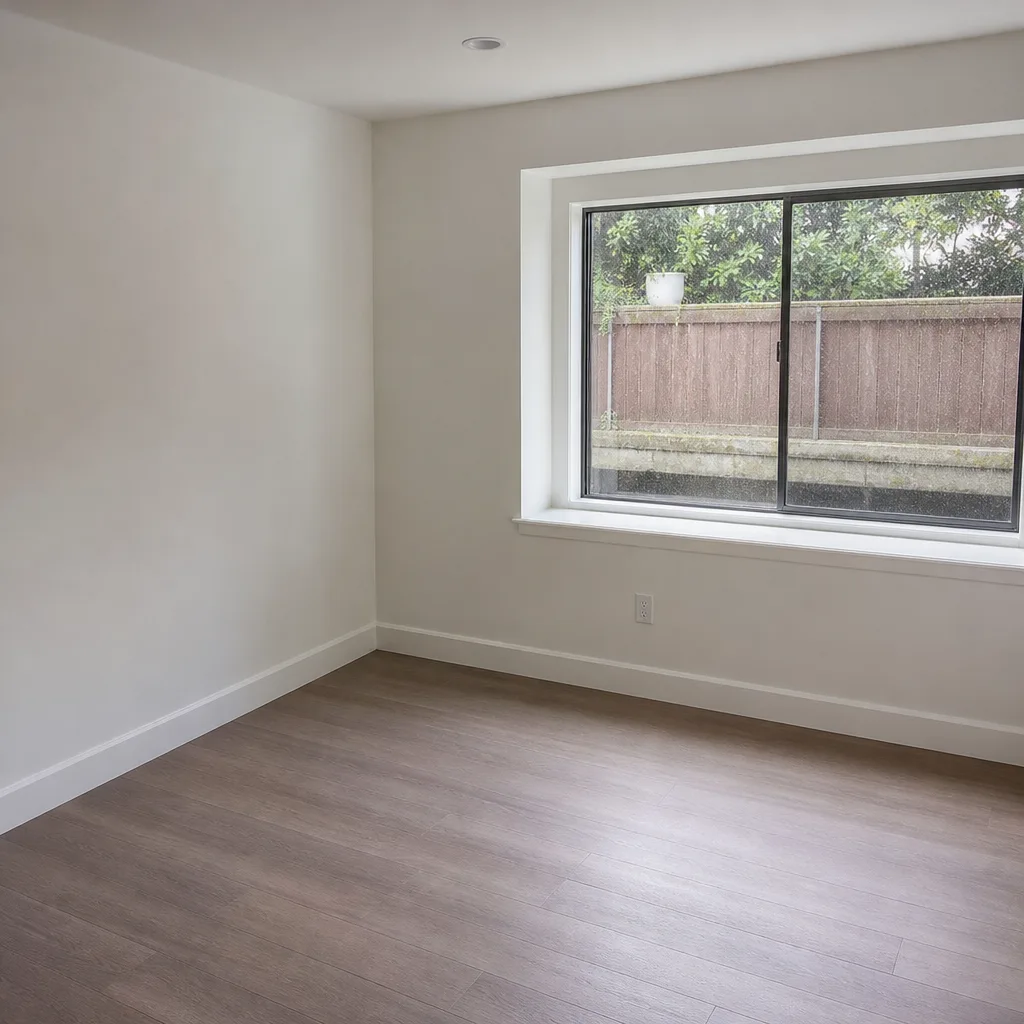 After