 Water damage drying
 Fire & smoke cleanup
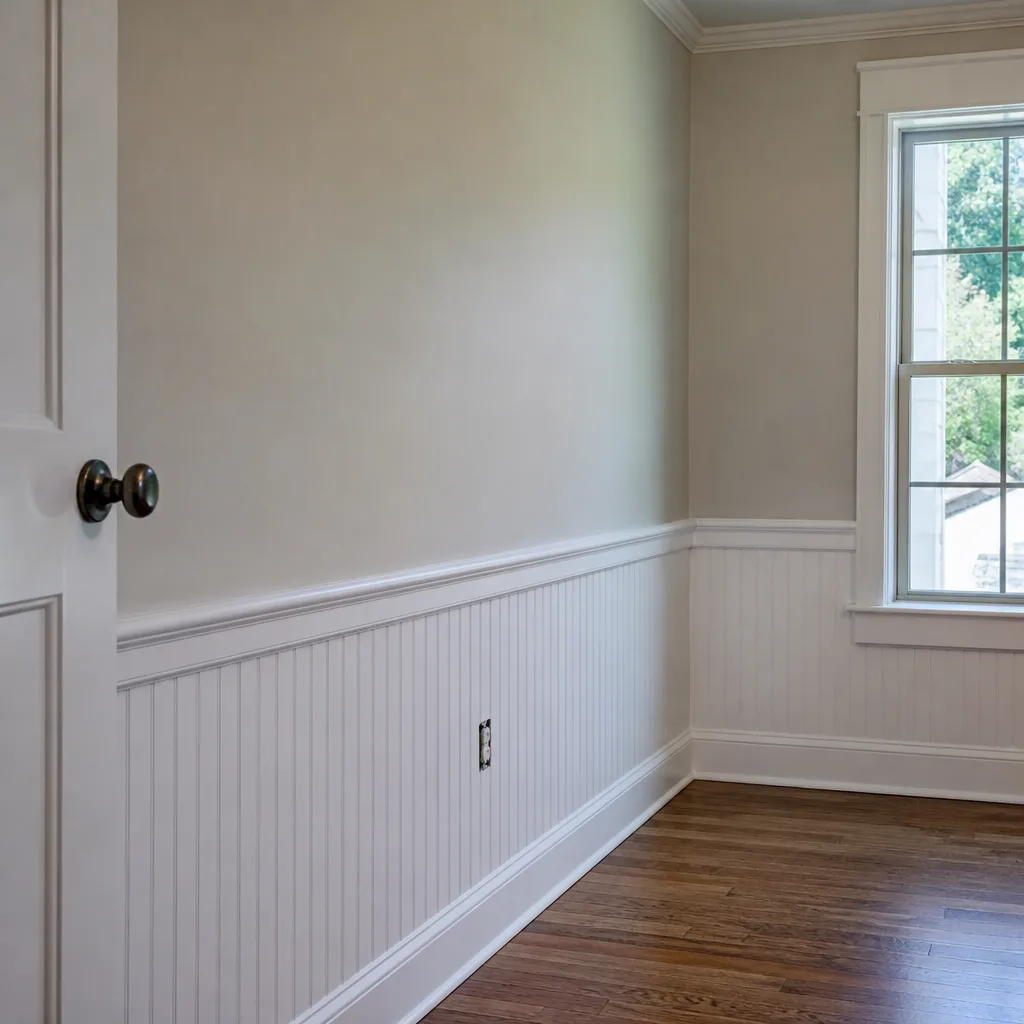 Mold remediation
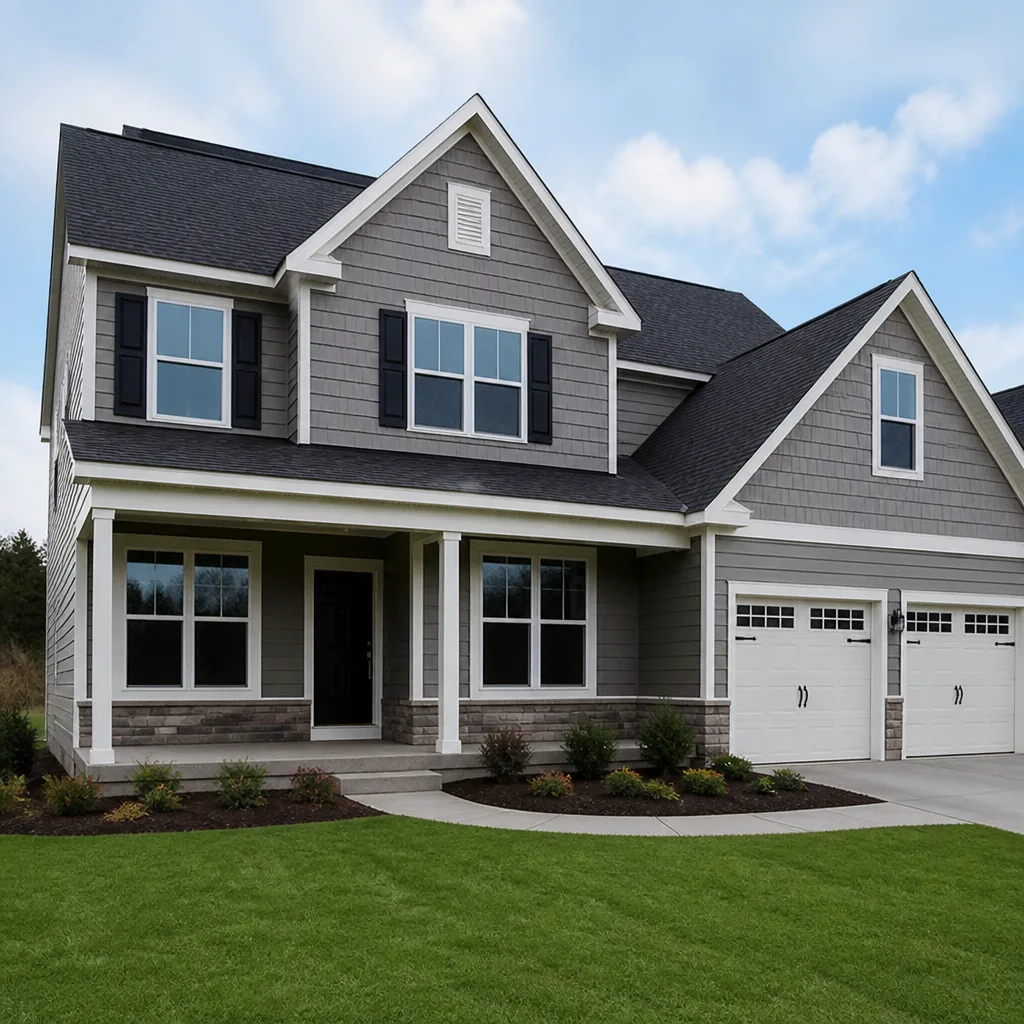 Storm response
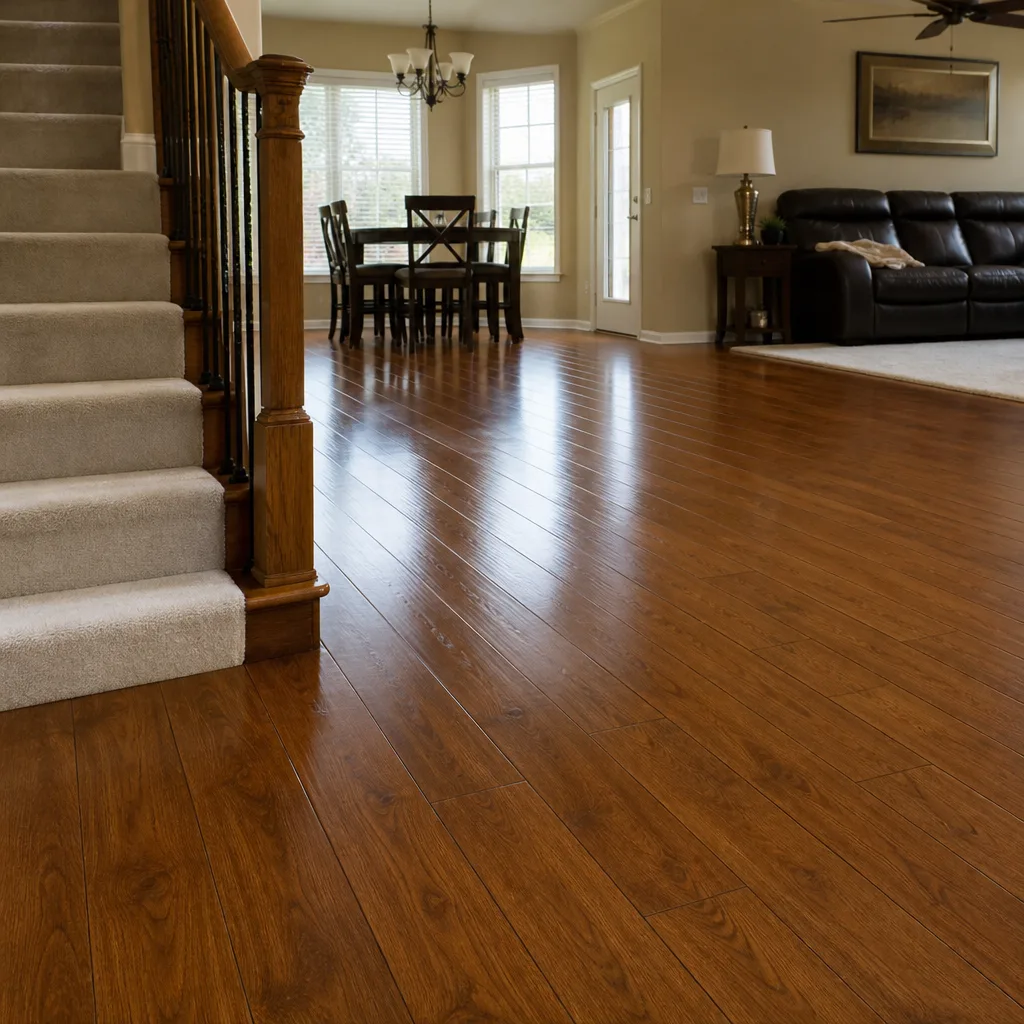 Sewage cleanup
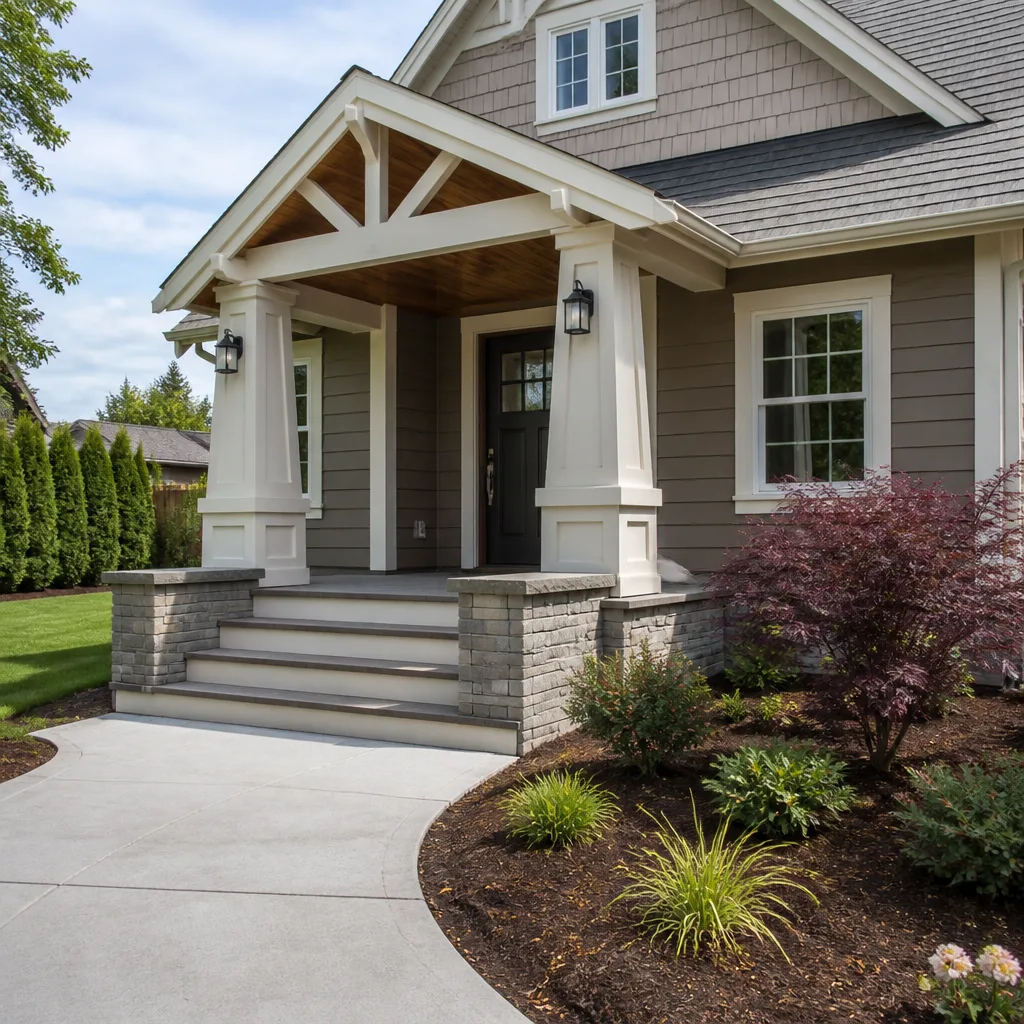 Reconstruction
Free visual inspection and a written scope of work before any mitigation begins - photos, moisture readings, and drying logs go in your claim file
The scope we write is the scope we bill. Anything new gets shown to you, in writing, before we touch it.
Get your free estimateFast, Reliable Water Damage Restoration Across Moreno Valley
Water damage restoration in Moreno Valley usually costs between $2,800 and $6,500 for a typical slab leak or monsoon flood event, and our crews can reach most Moreno Valley neighborhoods within 45 to 60 minutes of your call. If you’re standing in water right now, turn off the main supply valve first, then call us at (833) 620-3891. We’ve worked homes from Sunymead to Rancho Belago long enough to know that Moreno Valley’s caliche hardpan moves water sideways into slabs faster than a homeowner expects, and waiting a few hours turns a $3,000 drying job into a $12,000 tear-out.
This page is written for Moreno Valley residents specifically. It covers what we see most in 92551, 92552, 92553, and 92554, what things actually cost, and what decisions you’ll face before a crew ever sets up air movers.
Why Renew Water Damage Is Moreno Valley’s Preferred Water Damage Restoration Company
Moreno Valley homeowners call us after water has already found a path through their slab, under their tile, or into their garage. By then, the question isn’t whether there’s a problem. It’s whether the drying plan will catch what hasn’t been found yet. We approach every Moreno Valley job like the damage is still moving, because it usually is.
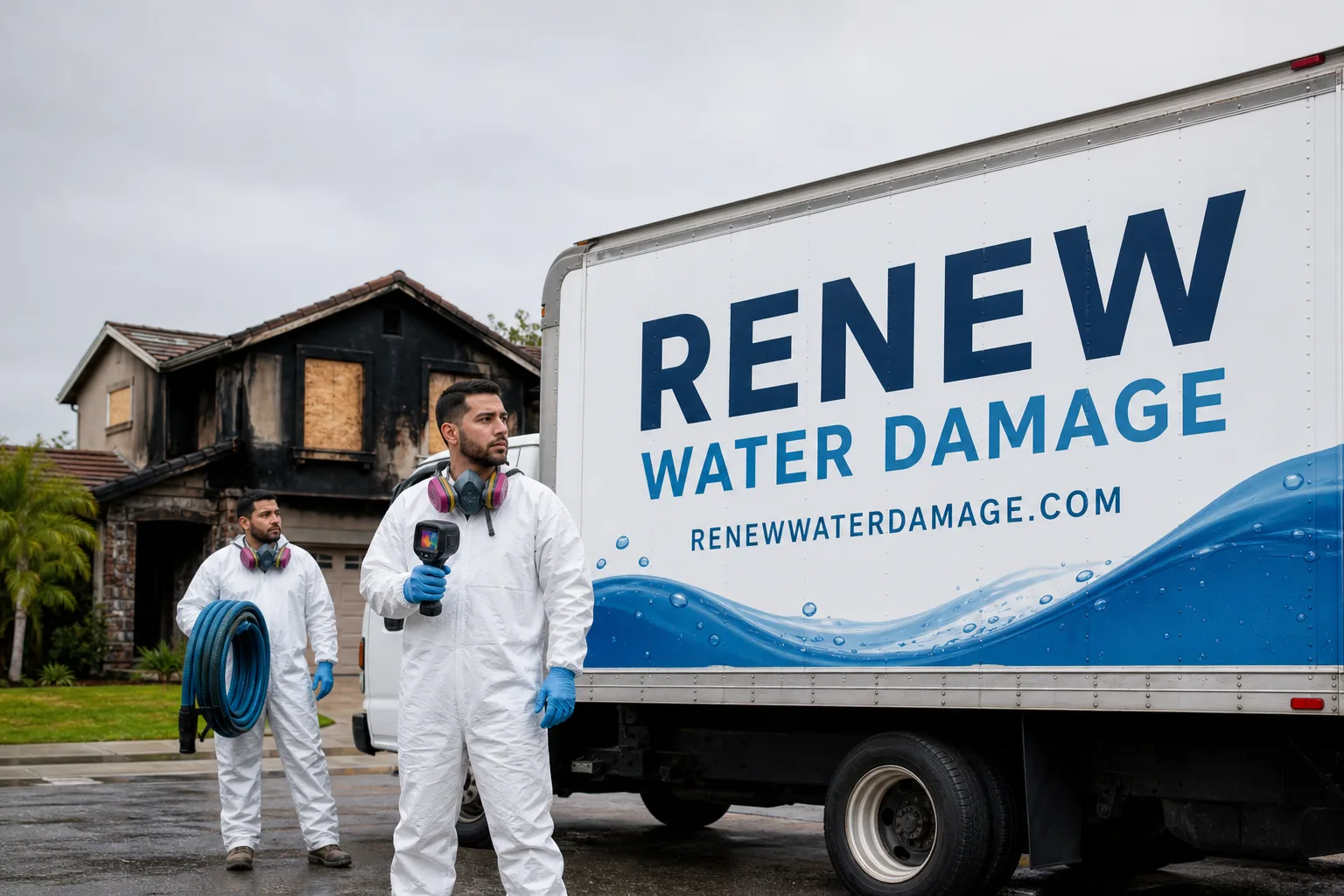
Our IICRC-certified technicians follow the drying protocols set out in the S500 standard, which means moisture mapping before equipment placement, daily readings through the drying cycle, and a final verification pass before anybody calls the job done. That’s not marketing language. It’s a documented process, and it’s the difference between a kitchen that stays dry and a kitchen that smells like mold four months later.
Noel Carbajal built our Water Damage Restoration team around a straightforward idea: restoration is a specialty, not a side service. The same crew that extracts and dries is trained to recognize when moisture has entered a wall cavity or truss pocket, because we run Injectidry cavity-drying panels where generalist contractors would just punch holes and hope.
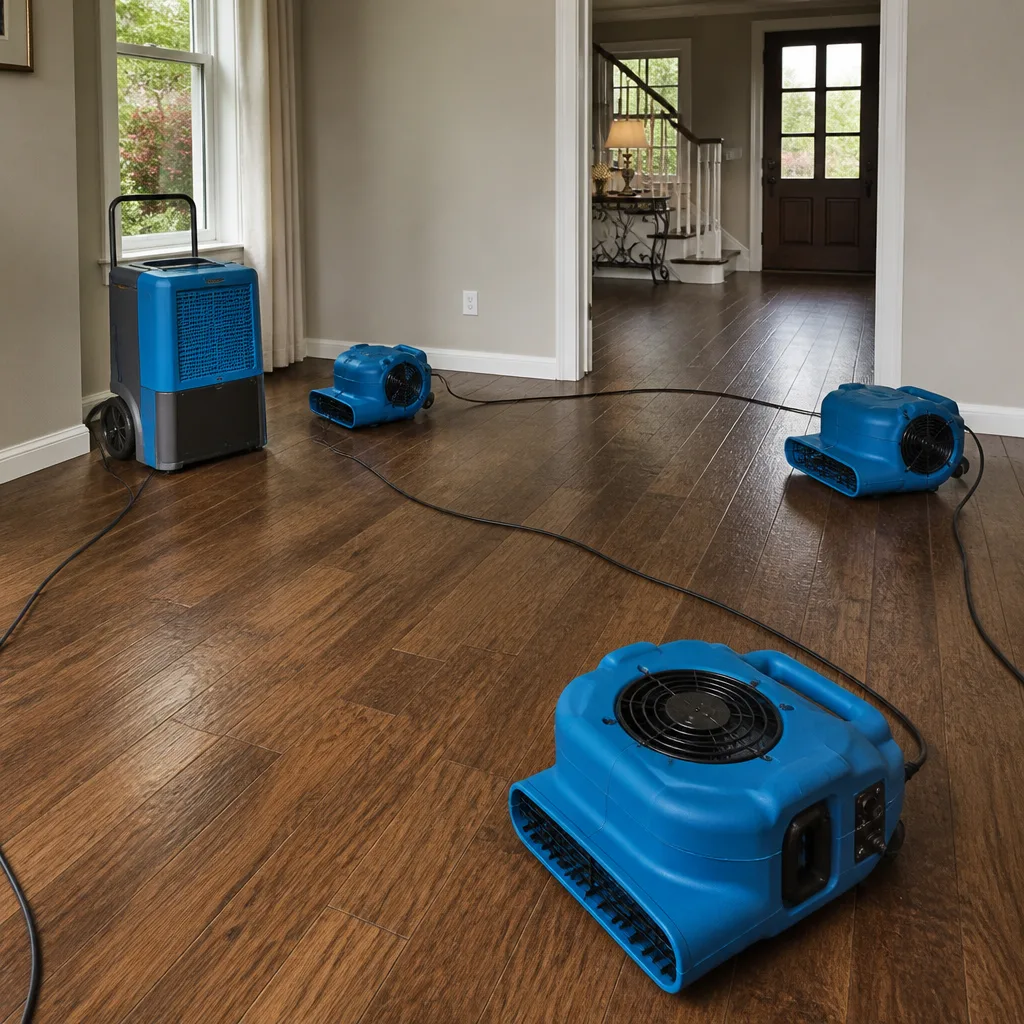
We carry commercial-grade drying equipment on every Moreno Valley call: Dri-Eaz and Phoenix dehumidifiers, XPOWER and B-Air air movers, and Injectidry systems for wall and subfloor cavities. That equipment mix means we can dry a Moreno Valley slab in four to six days that would take two weeks with rental fans. For you, that’s less time with equipment in the house and a lower final bill.
Restoration work we handle
Water Mitigation in Moreno Valley
Water mitigation in Moreno Valley is the first-stage work that stops active water from spreading through a slab-on-grade home and locks in the drying conditions that allow restoration to begin. In a city where monsoon wash events can dump a foot of muddy runoff into a garage in an hour, mitigation isn’t optional. It’s the difference between drying a floor and replacing a floor.
A typical water mitigation job in Moreno Valley runs $1,500 to $3,200 for extraction, containment, demolition of unsalvageable drywall, and placement of drying equipment. Homes in 92553 and 92554 near the Box Springs foothills often need additional wash-water contamination control during the mitigation phase, because runoff from a monsoon event isn’t clean water. It carries silt, fertilizer, and whatever it picked up between the hills and your doorstep.
Slab and Subfloor Containment
Moreno Valley’s tract homes sit on slabs, and water that enters a slab moves sideways through capillary action before it ever shows on the surface. We set containment and take moisture readings on a grid, then place dehumidifiers and air movers to pull vapor out of the slab and wall bases. If we skip grid readings, we’re guessing. If we guess on a Moreno Valley slab job, we miss the water that’s already under the bedroom carpet.
Category 2 Grey Water Processing
Grey water, like washing-machine overflow or a dishwasher supply-line failure, carries biological contaminants that require antimicrobial treatment before drying begins. In Moreno Valley, we see this often after Santa Ana wind weeks when older copper and galvanized supply lines finally let go. Extraction alone doesn’t make grey water safe. Treatment does, and it’s part of the mitigation scope we write before work starts.
Flooded Basement in Moreno Valley
Flooded basements in Moreno Valley are less about basements and more about slab-adjacent lower rooms, garage conversions, and sunken living spaces that sit below grade. Moreno Valley’s housing stock is overwhelmingly slab-on-grade, but those lowered rooms and garage-side additions trap water exactly like a basement would, and they need the same Category 3 floodwater treatment.
Flood cleanup for a flooded basement or below-grade room in Moreno Valley typically costs $2,200 to $5,800, depending on how much wallboard has to come out and whether the floodwater touched insulation. Monsoon-driven runoff around the eastern edge of the city, near the dry washes off the Badlands, often carries Category 3 blackwater pathogens, and treating that water as anything less is a health risk we won’t take.
Category 3 Floodwater Remediation
When a Moreno Valley wash overflows into a lower room or garage, the water is classified as Category 3: it contains sewage, pathogens, or silt. The remediation protocol is different from a clean-water slab leak. We remove contaminated material, sanitize surfaces, and then dry. Skipping the sanitizing step is how mold colonizes wet drywall within 24 to 48 hours, and by the time the homeowner notices the smell, the damage has already spread into the wall cavity.
Garage Floor and Track Drying
Floodwater rusts garage-door springs and one-piece or early sectional door tracks fast, especially on older Moreno Valley homes with original 1980s-era hardware. We dry what’s salvageable and tell you honestly when hardware needs to be replaced, because parts for those legacy openers are often discontinued. A garage slab that sits wet while you decide about a retrofit is a garage that keeps wicking water into the wall behind it.
Trusted Brands We Service in Moreno Valley
We maintain relationships with Dri-Eaz, Phoenix, and Injectidry at the supplier level, which means replacement parts for drying equipment and cavity-drying panels aren’t a special order when we’re working in Moreno Valley. For homeowners, that translates to a faster drying cycle and fewer days of equipment rental. For property managers handling a multi-unit loss in Towngate or a commercial buildout near the Moreno Valley Freeway corridor, it means one crew from extraction through final moisture verification, without waiting on parts from a warehouse that services six states.
See the difference
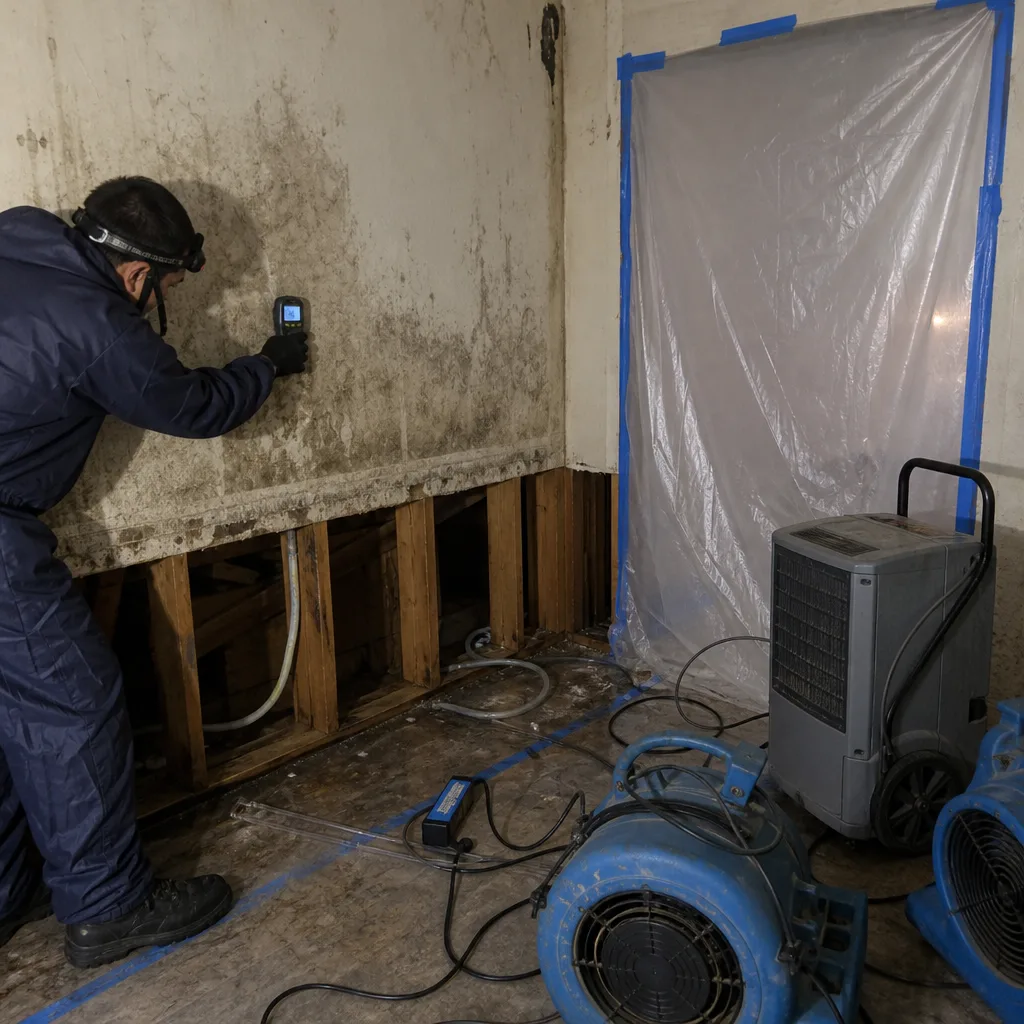 Before
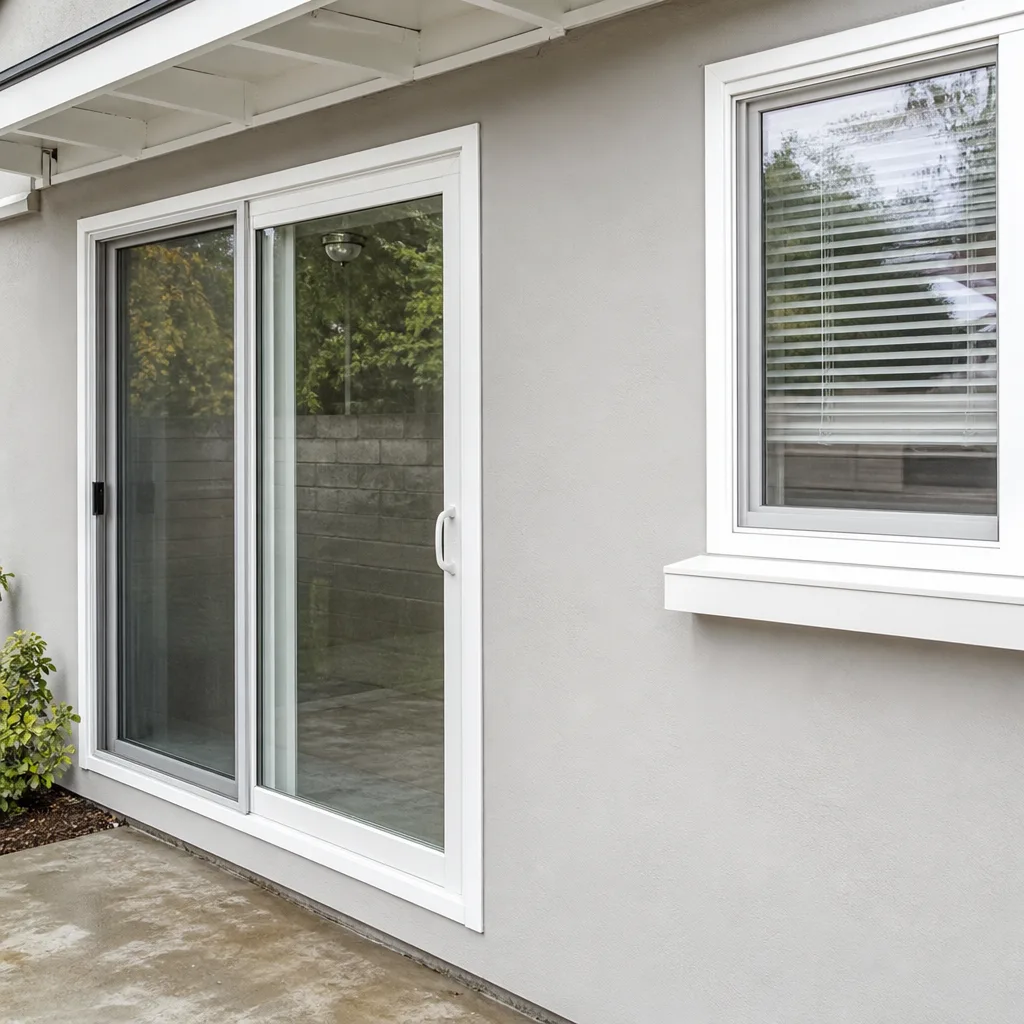 After
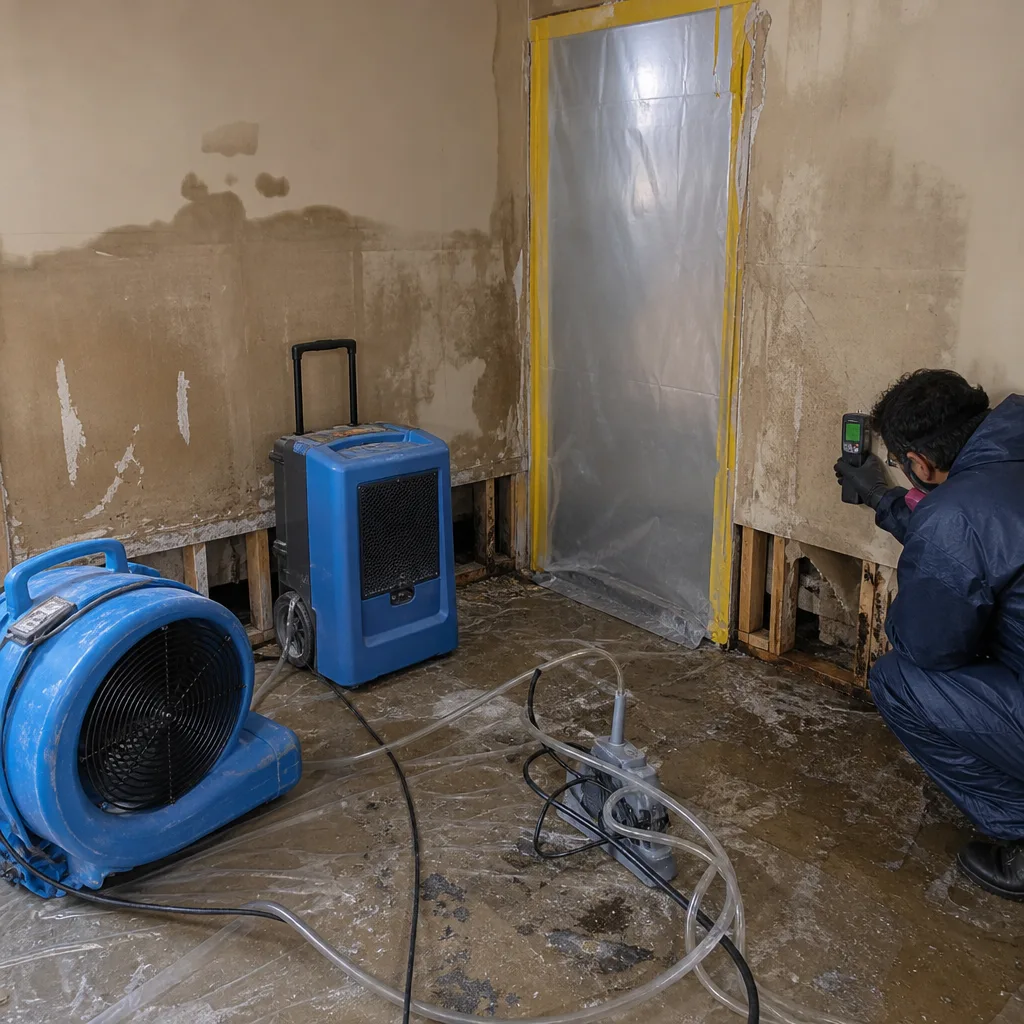 Before
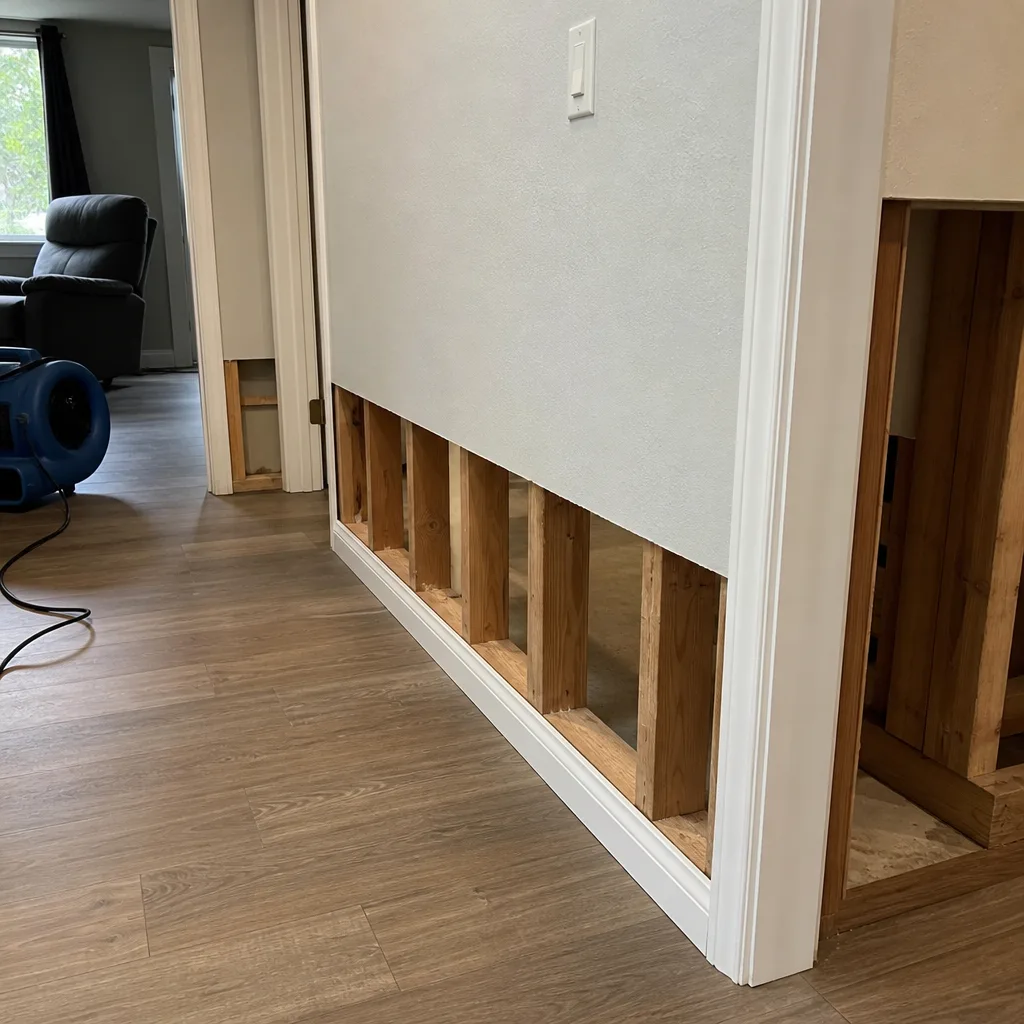 After
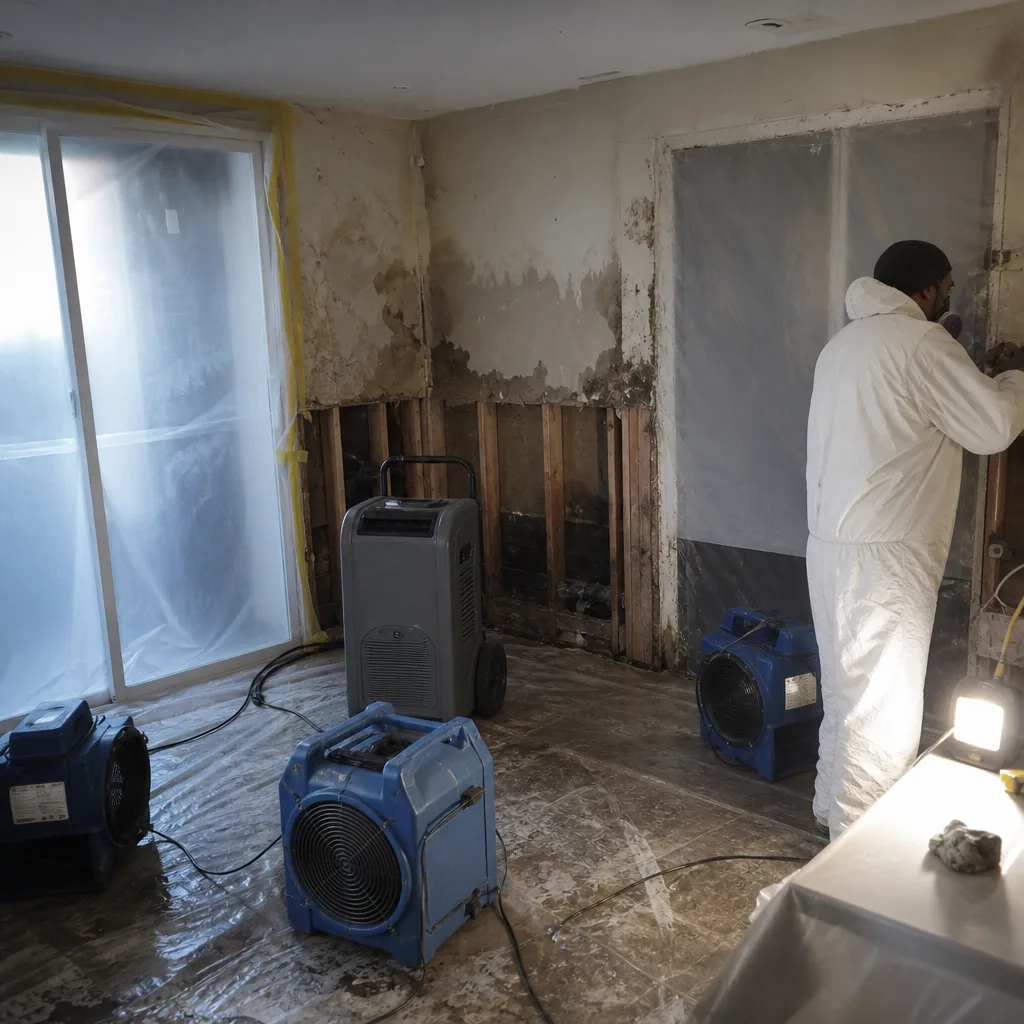 Before
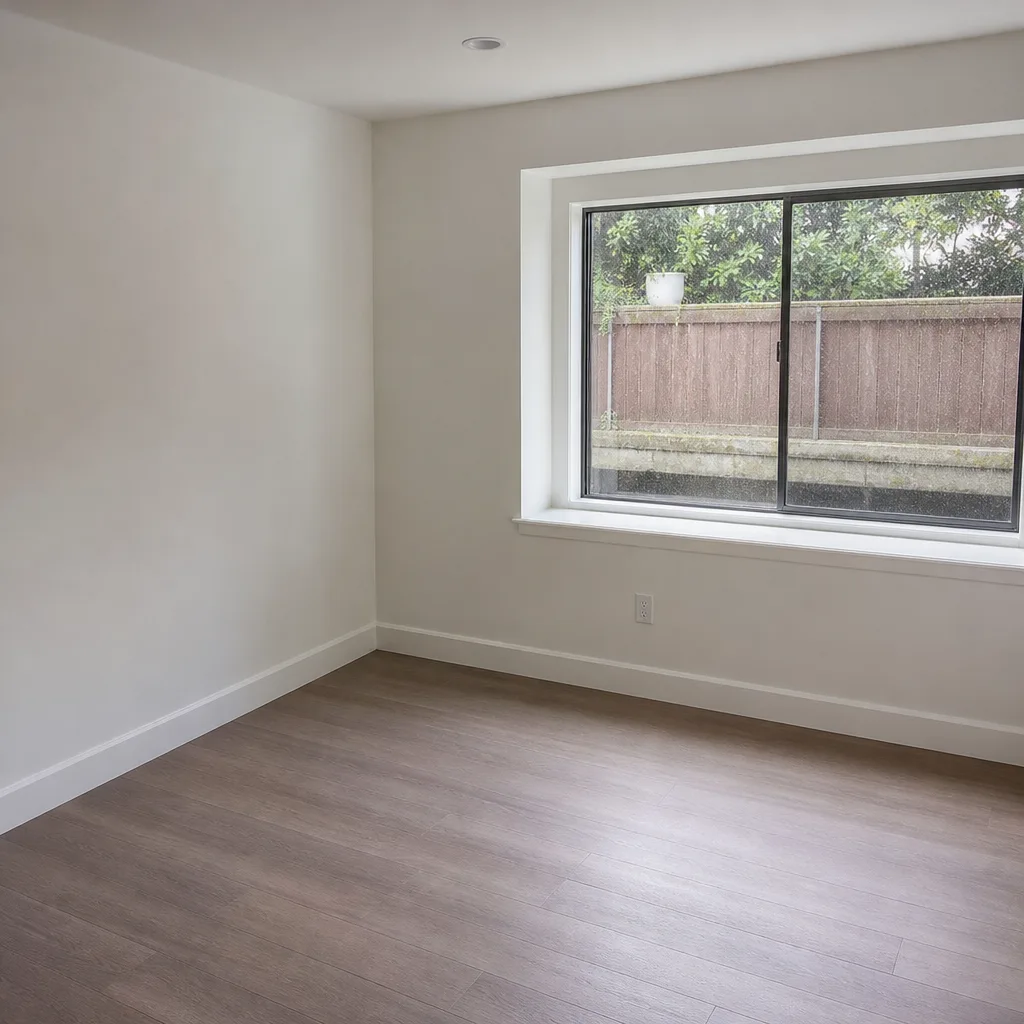 After
Common Water Damage Restoration Problems We See in Moreno Valley Homes
- Pinhole leaks in 1980s and 1990s copper supply lines: Moreno Valley’s older tract homes still run original copper or galvanized supply lines, and after decades of mineral buildup and thermal stress from 100°F-plus summers, those lines corrode from the inside. A pinhole leak behind a Sunymead kitchen wall can run for weeks before anyone notices, because the water travels down the wall base and under the slab instead of pooling on the floor.
- Slab wicking from monsoon wash events: When a summer monsoon sweeps off the San Jacinto Mountains, Moreno Valley’s caliche and decomposed-granite soils shed water fast. Water hits hardpan and runs sideways, pooling at the slab perimeter where builder grading assumed a once-a-decade event. We see moisture in subfloors within hours, not days.
- MDF and particleboard cabinet swelling in east-side kitchens: Older homes in the eastern part of Moreno Valley often have MDF toe-kicks and particleboard cabinet boxes, which absorb water like a sponge. Once they swell past a certain point, drying won’t restore the structural integrity. We run Injectidry panels on cabinet bases specifically to catch this early.
- Santa Ana wind damage that sets up water intrusion: The same Santa Ana wind weeks that carry wildfire smoke also dry out roof flashing and caulking seals on tile and asphalt roofs. The first real rain after an extended dry spell finds those gaps, and water shows up at the wall base weeks after the leak started in the attic.
Pricing for Water Damage Restoration in Moreno Valley, CA
Water mitigation and drying for a slab leak in a Moreno Valley tract home ranges from $1,500 to $3,200 depending on how far the water has traveled and how much drywall has to come out. Flood cleanup for a monsoon wash event or below-grade room runs $2,200 to $5,800. Full restoration, including cabinet and drywall replacement plus content cleaning after a large flood, lands between $6,000 and $14,000 for a typical Moreno Valley residence.
What changes the price is the square footage of affected material, whether the water is Category 1, 2, or 3, and how long the water sat before we arrived. A homeowner who calls us in the first hour often saves $2,000 to $4,000 compared to one who waits until the next morning. Estimates are free, and we write a scope of work before any equipment gets placed. Call (833) 620-3891 to schedule an assessment.
We Also Serve Cities Near Moreno Valley
Our crews regularly run calls to March Air Force Base, Woodcrest, Colton, and Loma Linda, and the same certified technicians work the whole Inland Empire corridor. If you’re in one of those cities or anywhere in the greater Moreno Valley area, the response time and the pricing structure are the same. One crew, one protocol, one point of accountability from first extraction to final inspection.
Serving Moreno Valley, CA — Our Local Coverage Area
We’re based in the Moreno Valley area and know this community well. Use the map below to see our service coverage — if you’re nearby, we can almost certainly help.
FAQs About Water Damage Restoration in Moreno Valley
Moreno Valley sits in the path of two seasonal events that compound each other: Santa Ana winds push wildfire smoke and ash down the 60 and Moreno Valley Freeway corridors into homes, while monsoonal thunderstorms sweep off the San Jacinto and Box Springs mountains and send runoff into slabs and garages. Homes here routinely need both odor, soot, and ash remediation and water-damage drying in the same year, sometimes in the same storm season. Our team handles both disciplines in-house, so you’re not coordinating between a fire restoration crew and a water mitigation crew. Call (833) 620-3891 and we’ll assess both risks in one visit.
Mold colonization begins within 24 to 48 hours on wet drywall and wall bases, and Moreno Valley’s summer heat accelerates that timeline. A slab leak that runs for a week in July can produce visible mold growth before a homeowner even finds the moisture. That’s why we place dehumidifiers and air movers immediately after extraction, and why we treat grey and black water with antimicrobial agents before drying starts. If you suspect a slab leak, call (833) 620-3891 today.
Category 1 is clean water from a supply line or fixture overflow. Category 2 is grey water carrying biological or chemical contaminants, like washing machine discharge or a dishwasher leak. Category 3 is black water containing sewage, pathogens, or flood runoff, and monsoon wash events in Moreno Valley almost always produce Category 3 water. Each category has a different drying and sanitizing protocol, and treating Category 3 as Category 1 is a serious health mistake. We classify the water before we ever place a fan.
Newer tract subdivisions in Rancho Belago, Towngate, and Moreno Valley Ranch were built with grading designed around historical flood data, but Moreno Valley’s caliche hardpan and decomposed-granite soils shed water faster than most builder models account for. When a monsoon storm exceeds the design threshold, water funnels toward the slab perimeter and pools where the hardpan meets the foundation. The same condition exists in older ranch parcels near the Badlands, where dry washes overflow their banks and push muddy runoff into garages and lower rooms. We’ve cut enough Moreno Valley slabs to know exactly where that water goes.
Yes, if we catch them before they swell past salvage. MDF and particleboard absorb water fast, and once the fibers separate, the structural integrity is gone. We run Injectidry cavity-drying panels along cabinet toe-kicks and bases to pull moisture out before it reaches the swell point. Sometimes the face frames survive and only the toe-kicks need replacement, which saves thousands compared to a full cabinet tear-out. Call (833) 620-3891 and we’ll tell you honestly whether your cabinets can be dried or need to go.
Written by Noel Carbajal, Owner at Renew Water Damage, serving Moreno Valley and the Inland Empire with IICRC-certified restoration services.