
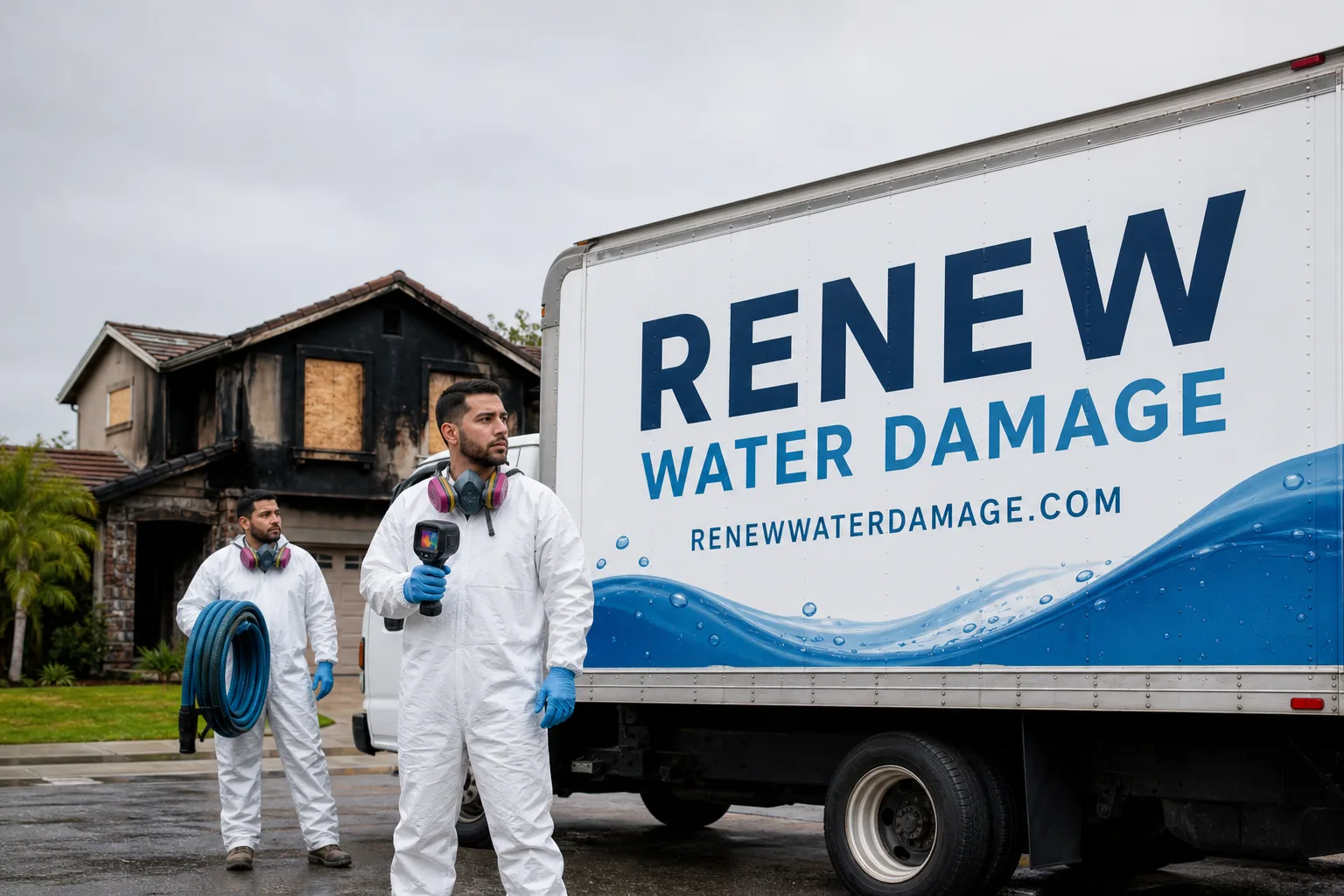
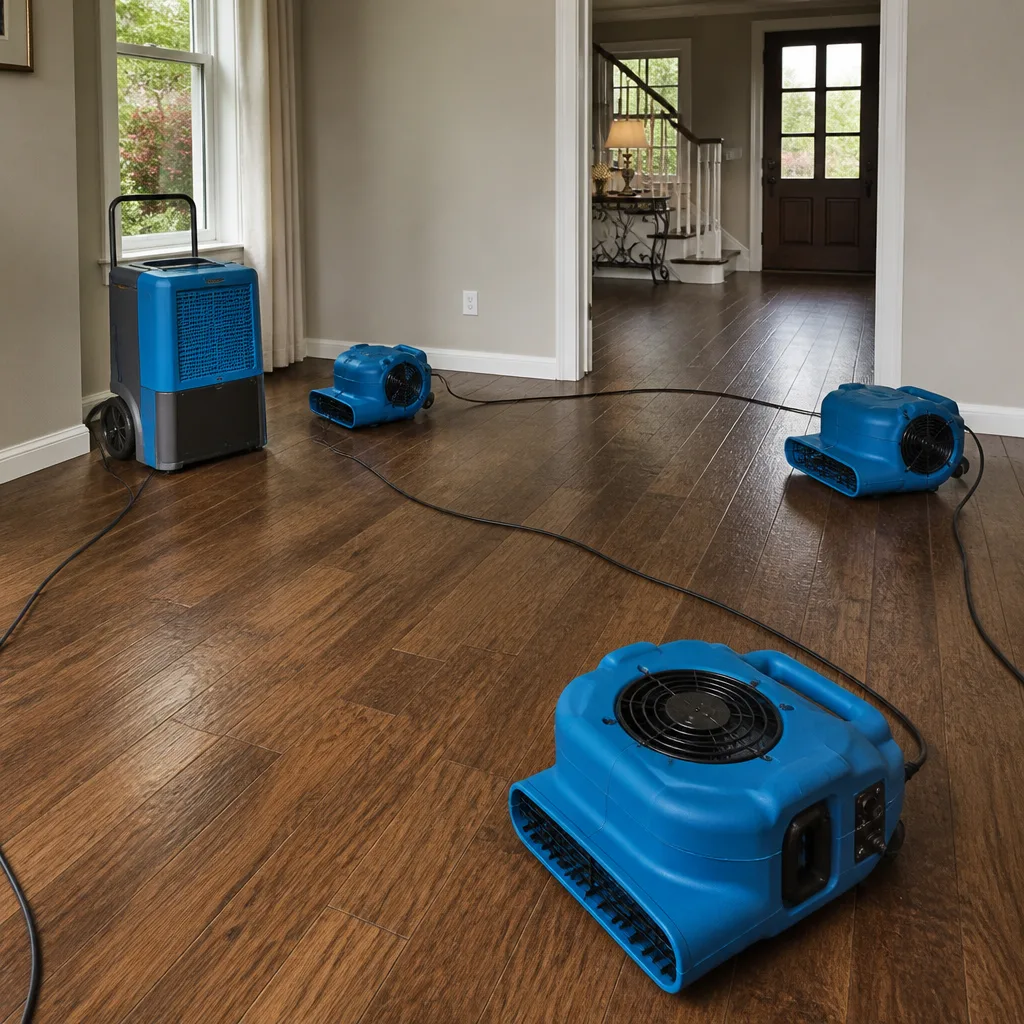
 Water damage drying
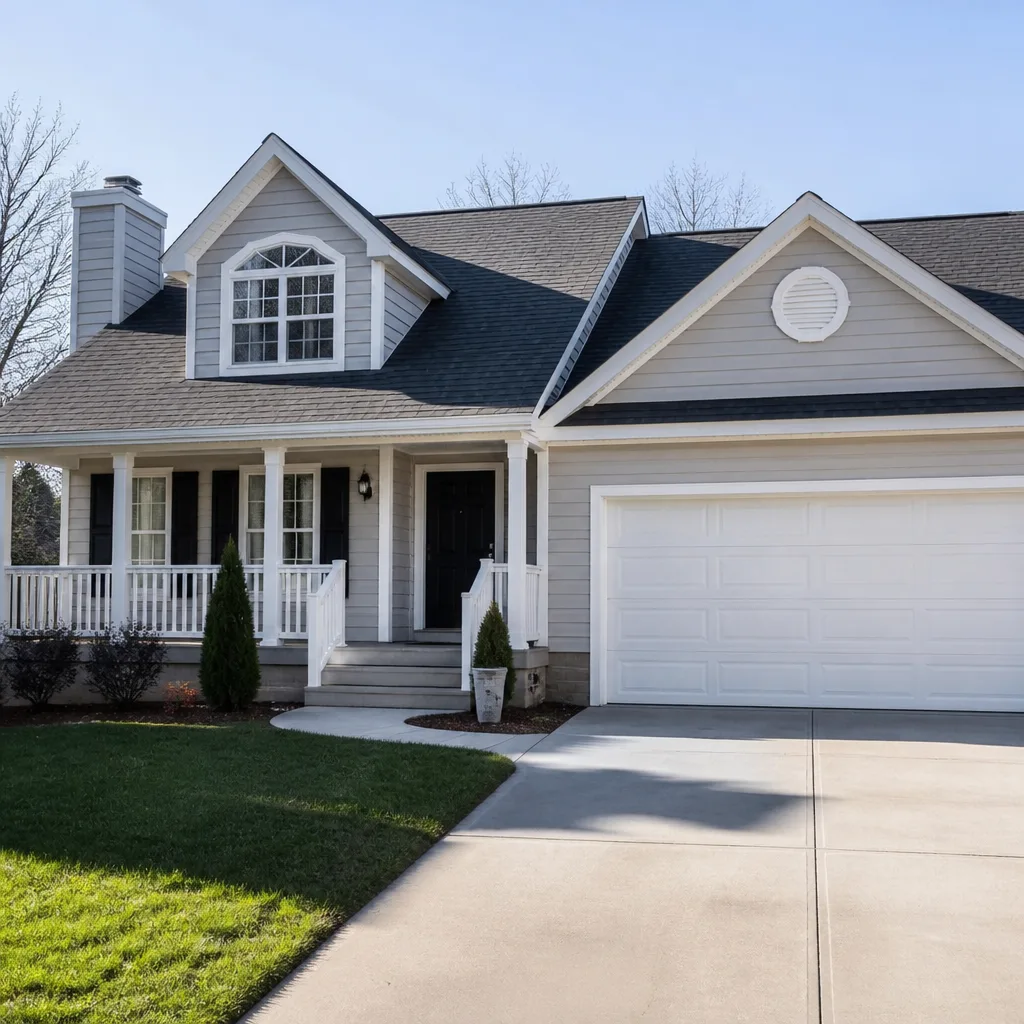 Fire & smoke cleanup
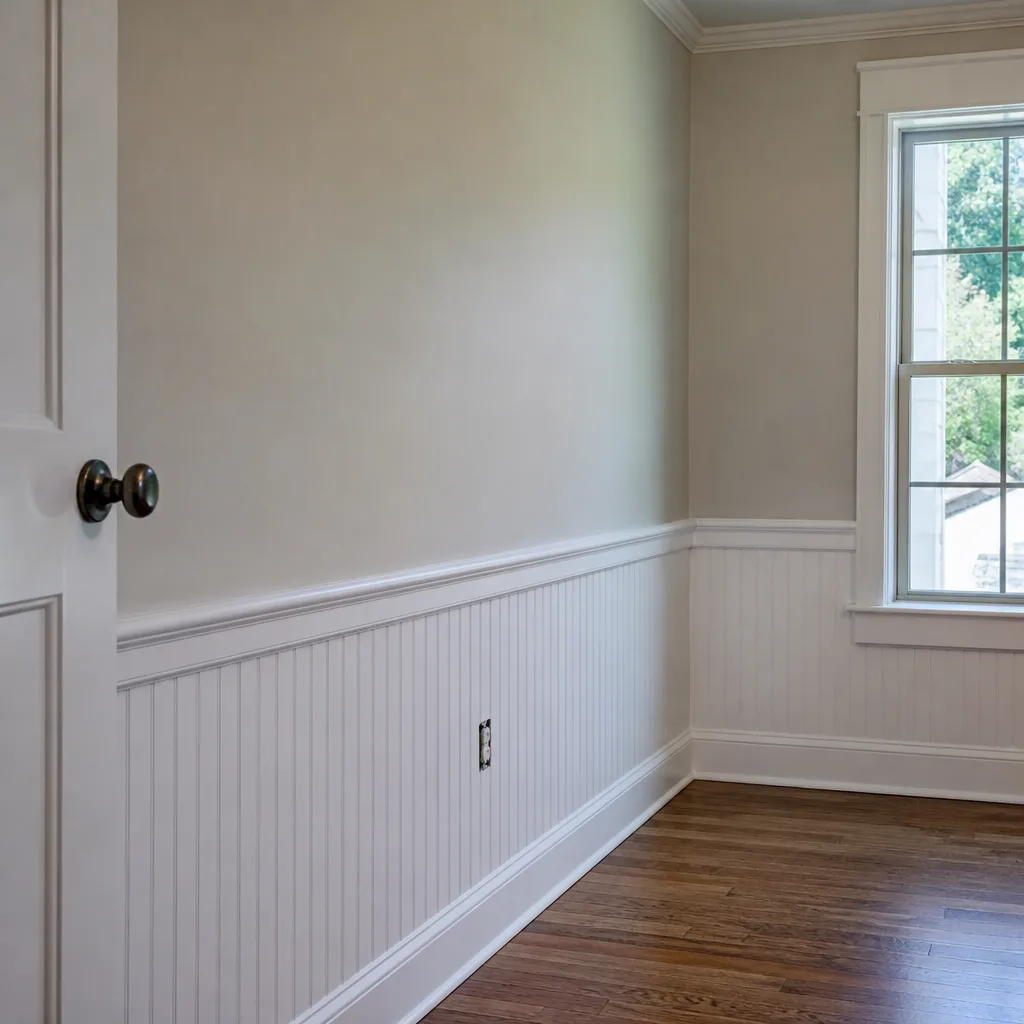 Mold remediation
 Storm response
 Sewage cleanup
 Reconstruction
Free visual inspection and a written scope of work before any mitigation begins - photos, moisture readings, and drying logs go in your claim file
The scope we write is the scope we bill. Anything new gets shown to you, in writing, before we touch it.
Get your free estimateFast, Reliable Water Damage Restoration Across San Joaquin Hills
Water damage in San Joaquin Hills moves fast, and so do we. Our Water Damage Restoration team knows this community’s hillside homes, its drainage patterns, and the way moisture behaves behind stucco and under concrete slabs here. When you call (833) 620-3891, you get IICRC-certified technicians who arrive with commercial-grade drying equipment already loaded, not a subcontractor who has to figure out whether his pump can handle your below-grade level. We serve the 92657 ZIP code and every ridgeline, canyon, and cul-de-sac in between.
Why Renew Water Damage Is San Joaquin Hills’s Preferred Water Damage Restoration Company
Homeowners in San Joaquin Hills call us because we understand what these houses actually are: multi-level custom builds on slopes, with retaining walls, below-grade rooms, and stucco exteriors that hide moisture until it is already traveling. Our crews have dried homes along Ridge Park Road, in the gated enclaves off Newport Coast Drive, and throughout the 92657 corridor. The work is different here than in flatland Orange County. You cannot dry a hillside villa with the same protocol you would use on a track home in Irvine.
Noel Carbajal built Renew Water Damage around one principle: restoration is a discipline, not an add-on service. That is why every job runs through documented IICRC S500 drying protocols with moisture mapping, drying logs, and a written scope of work before extraction begins. It is why we run Dri-Eaz and Phoenix dehumidifiers and XPOWER air movers on residential losses, the same equipment used in large commercial claims. And it is why we hold membership in the Restoration Industry Association and IFA. Membership means external accountability, not just a certificate on the wall.
When a San Joaquin Hills homeowner calls at 2 a.m. with water seeping through a basement slab, we answer. Our response time to this area is built around the reality that moisture trapped behind stucco or under a concrete slab gets worse by the hour. You will get a real technician on the line, a clear ETA, and a crew that knows what Ridge Park Road looks like after a storm.
Restoration work we handle
Water Mitigation in San Joaquin Hills
Water mitigation in San Joaquin Hills is the first and most urgent phase of any water loss: stopping the source, extracting standing water, and beginning structural drying before secondary damage sets in. In this community, mitigation often means more than pulling water off a floor. It means assessing whether groundwater is pushing up through a slab, whether moisture is wicking up into drywall behind stucco, and whether a retaining wall is channeling water toward the house instead of away from it. A typical water mitigation job in San Joaquin Hills runs $1,800 – $4,500 depending on square footage, number of affected rooms, and whether below-grade areas are involved.
Slope-Aware Drying Protocols
We do not bring inland drying recipes to a hillside. Multi-level homes here often have moist air trapped in lower-level rooms with poor cross-ventilation, so our technicians map each level separately and set up drying zones accordingly. Phoenix dehumidifiers run with air movers positioned to force air along wall cavities, pulling moisture out of framing before it reaches the dew point that feeds mold.
When Mitigation Becomes Structural
On homes with retaining walls and below-grade rooms, water mitigation sometimes reveals a bigger problem: hydrostatic pressure working against the foundation. We document what we find with thermal imaging and moisture meters, apply antimicrobial treatment where needed, and coordinate directly with structural contractors when the water issue has a slope-stability component. You get one clear report, not three conflicting opinions.
Flooded Basement in San Joaquin Hills
A flooded basement in San Joaquin Hills is usually not a simple plumbing overflow. It is groundwater forcing itself through slab cracks and wall joints after atmospheric river storms saturate the clay-rich slopes this neighborhood sits on. These are not cosmetic floods. Water under hydrostatic pressure can lift flooring, wick into framing, and leave behind salts and soil fines that corrode wiring and ruin finishes. Basement water removal and drying in San Joaquin Hills typically costs $2,200 – $5,800, with the higher end reflecting below-grade rooms in hillside construction that require Injectidry wall-cavity drying systems rather than surface extraction alone.
Below-Grade Drying Without Unnecessary Demolition
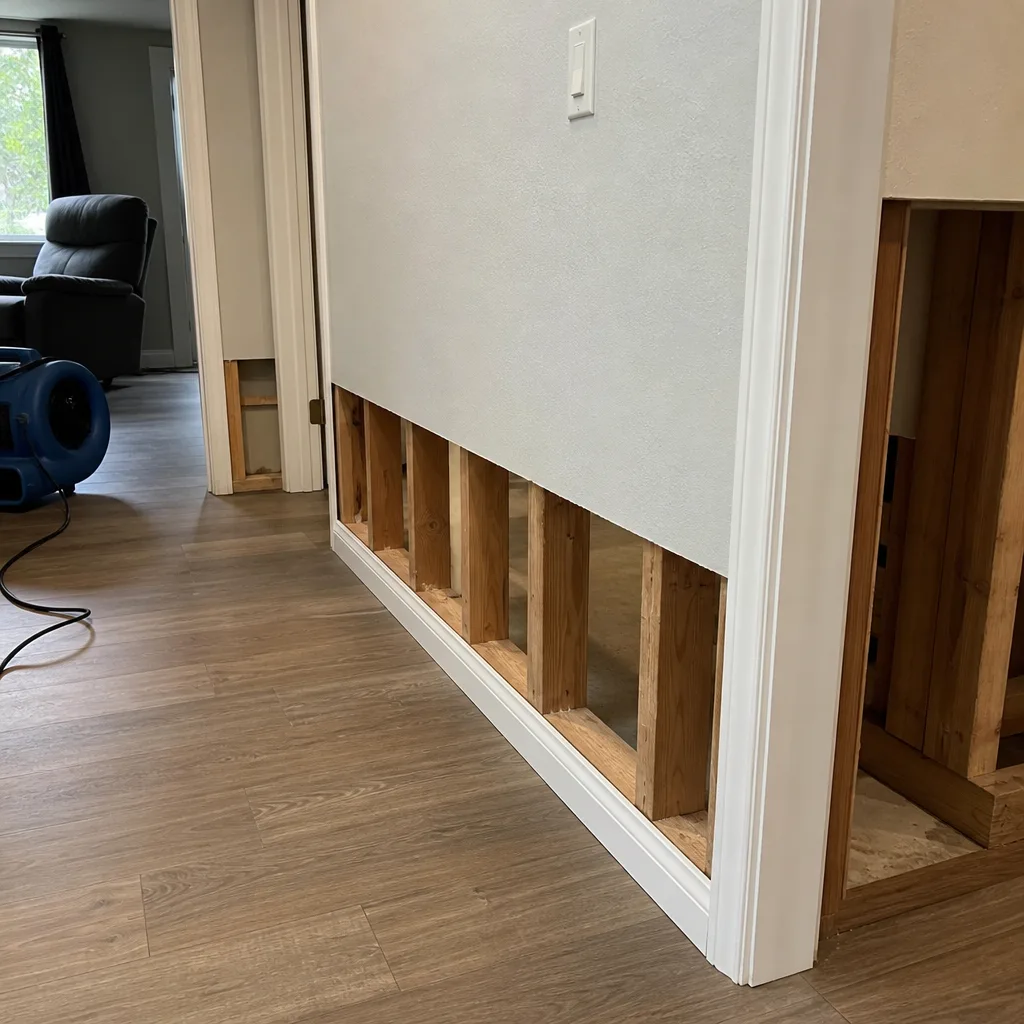
Most basement floods here involve water that has migrated behind finished walls or under vinyl plank and tile. Injectidry systems pull that trapped moisture out through wall cavities and under flooring without ripping everything down to studs. That means less demolition, a shorter project timeline, and a lower repair bill. We dry what other crews miss because our equipment reaches what other crews cannot see.
Hydrostatic Pressure Assessment
When we respond to a flooded basement in San Joaquin Hills, we check the exterior before we even go inside. New hairline cracks in the driveway, a pool deck that has shifted a quarter inch, a retaining wall weeping at a new spot: these are signs the slope is moving and pushing water into the house. We note them, document them, and factor them into the drying plan. Ignoring those signs means drying the interior while the exterior keeps feeding it.
Trusted Brands We Service in San Joaquin Hills
San Joaquin Hills homes run on premium equipment and premium finishes. Our crews routinely work around Dri-Eaz dehumidifiers, Phoenix drying systems, and XPOWER air movers already installed or specified in these custom-built properties. Because we work in this community week after week, we keep the hoses, fittings, and filter media these systems need on the truck, not on a warehouse order form. That means a faster start on your drying job and fewer delays waiting on parts. Whether your water loss hit a wine room, a finished basement, or a garage with custom cabinetry, we treat the space like it belongs to someone who notices detail.
See the difference
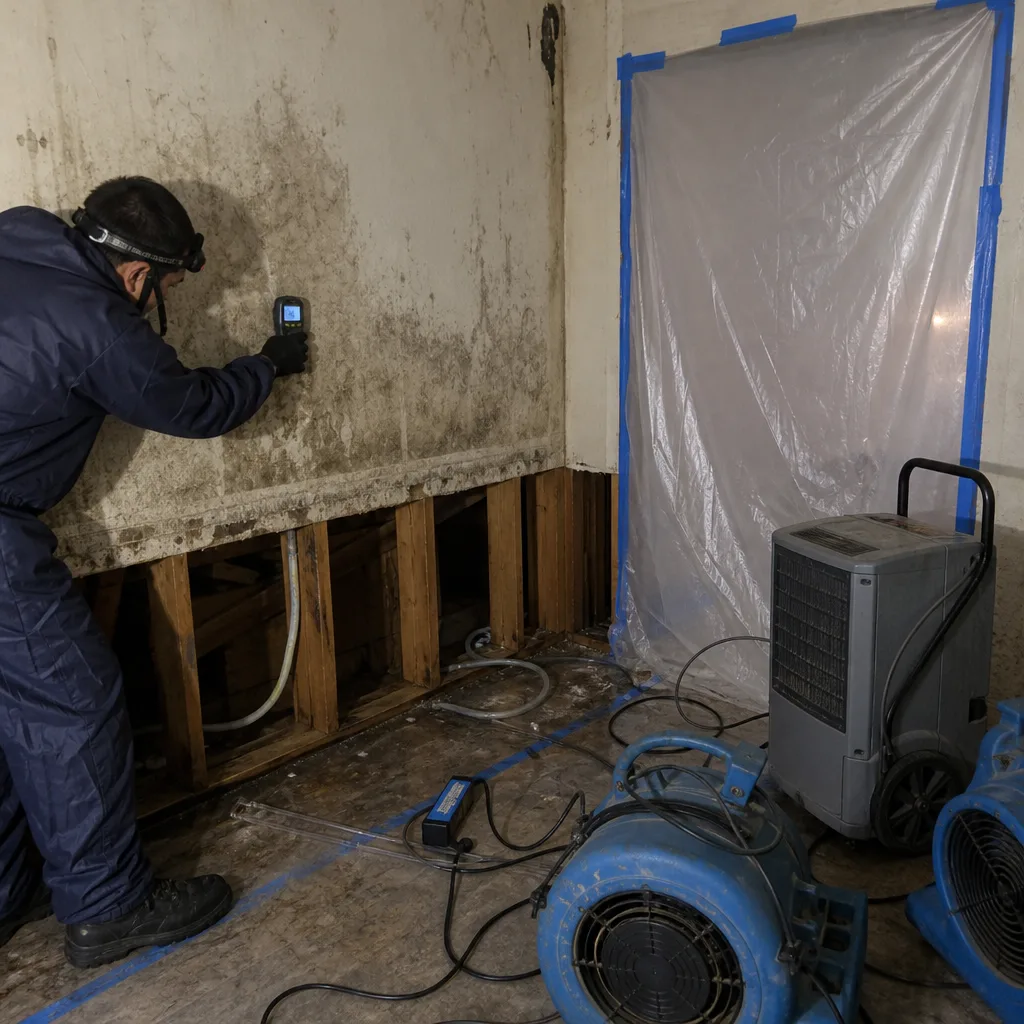 Before
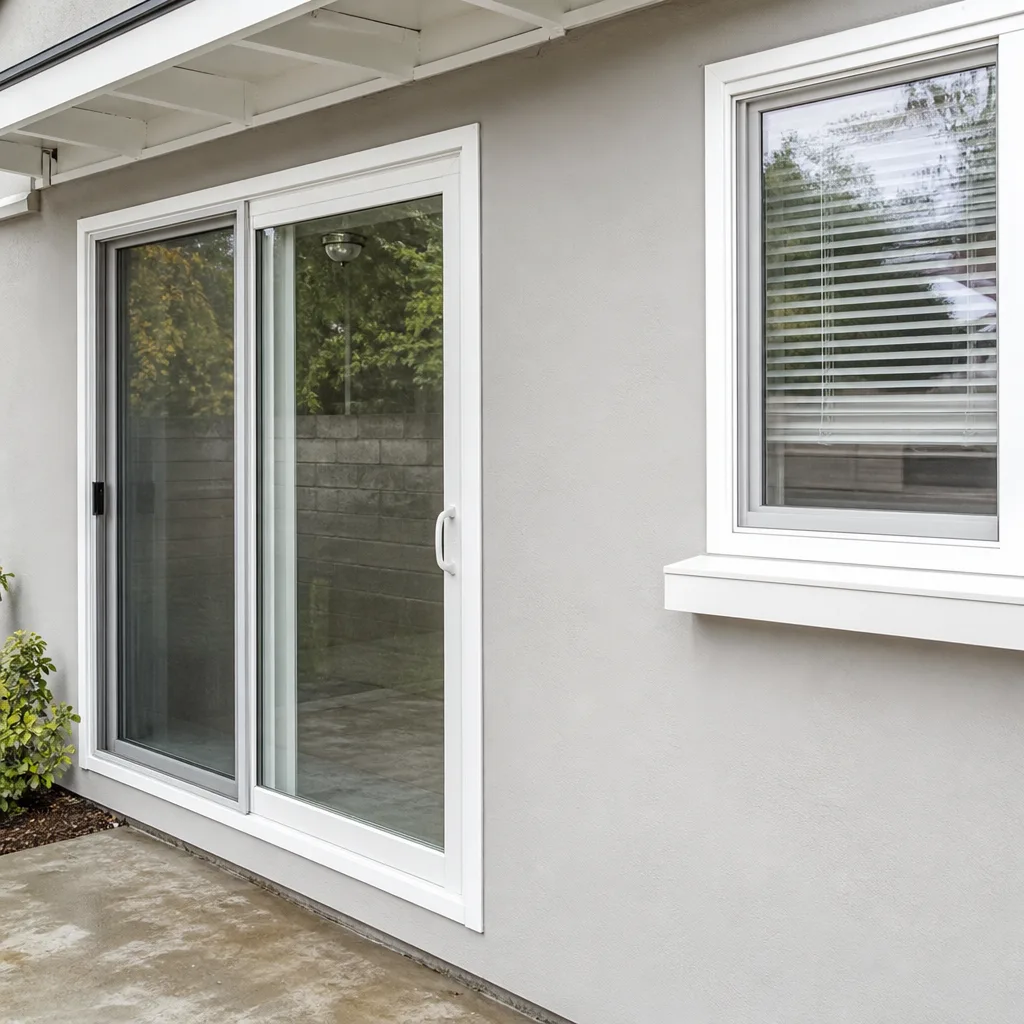 After
 Before
 After
 Before
 After
Common Water Damage Restoration Problems We See in San Joaquin Hills Homes
- Moisture trapped behind stucco exteriors. Stucco is a great cladding until water gets behind it. We regularly find hidden wicking in San Joaquin Hills homes where pin meters showed a dry wall but thermal imaging revealed a soaked cavity.
- Groundwater pushing through basement slabs. Heavy rain on saturated, clay-heavy slopes creates hydrostatic pressure that forces water up through slab cracks and cove joints. This is the defining water damage pattern in hillside neighborhoods here.
- Multi-level drying complications. Water on an upper floor travels down through framing and insulation, pooling in lower-level ceilings and wall cavities. Standard single-level drying plans fail on these stacked floor plans.
- Retaining wall drainage failures. Many San Joaquin Hills homes rely on retaining walls that were not built with modern drainage details. After heavy rain, those walls become conduits for water into the structure.
Pricing for Water Damage Restoration in San Joaquin Hills, CA
Water damage restoration in San Joaquin Hills runs from about $1,800 on the low end for a contained supply-line leak in a single room, up to $12,000 or more for a slab-level groundwater intrusion affecting multiple below-grade rooms in a hillside villa. Most jobs fall in the $3,000 – $7,000 range. What moves the number: square footage of affected space, whether below-grade areas need Injectidry cavity drying, whether antimicrobial treatment is required, and whether the water is clean, gray, or black. We give you a written scope before any work begins, so the number on the proposal matches the number on the invoice. Estimates are free. Call (833) 620-3891.
We Also Serve Cities Near San Joaquin Hills
Our crews work throughout this stretch of coastal Orange County. If you are in Aliso Viejo, Newport Beach, Laguna Beach, or Irvine and dealing with water intrusion, the same IICRC-certified team responds. Many of our Water Damage Restoration in San Joaquin Hills clients also own rental or family properties in those cities, so we make multi-property response easy.
Serving San Joaquin Hills, CA — Our Local Coverage Area
We’re based in the San Joaquin Hills area and know this community well. Use the map below to see our service coverage — if you’re nearby, we can almost certainly help.
FAQs About Water Damage Restoration in San Joaquin Hills
Landslide-prone terrain changes the whole picture because water damage here is often caused by groundwater movement, not just a broken pipe. Our technicians check for slope movement indicators, like new cracks in driveways or pool decks, and we coordinate drying with any needed drainage or foundation assessment. Nudging: call (833) 620-3891 if you are seeing water where it shouldn’t be.
Moisture mapping tells us where water actually went, not just where it pooled. In multi-level homes with stucco exteriors and concrete slabs, water travels in ways that visual inspection misses entirely. We use thermal imaging and moisture meters to build a complete map before we place equipment, so drying is targeted, not guesswork. Call (833) 620-3891 to schedule a detailed assessment.
Signs include water seeping through slab cracks or along the cove joint where floor meets wall, especially after heavy rains. You may also see efflorescence, a white powdery residue, on concrete surfaces. Outside, watch for new cracks in the driveway or a pool deck that has moved slightly relative to the coping. If you see any of these, call us at (833) 620-3891 before the problem expands.
Within 24 to 48 hours, before mold spores that are present in every home can germinate on wet materials. In San Joaquin Hills, where coastal humidity and warm temperatures accelerate microbial growth, we treat the 24-hour mark as the real deadline. Our rapid extraction and drying protocol is built around that window. Call (833) 620-3891 immediately after a water event.
Often not well, because standard crews are not set up for below-grade drying, cavity drying, or slope-related water intrusion. These homes need thermal imaging, hydrostatic pressure awareness, and Injectidry systems. A generalist with a shop vac and a couple of box fans cannot dry a hillside villa. Renew Water Damage brings the specialized equipment and the documented drying protocols this community requires. Call (833) 620-3891 for an honest assessment.
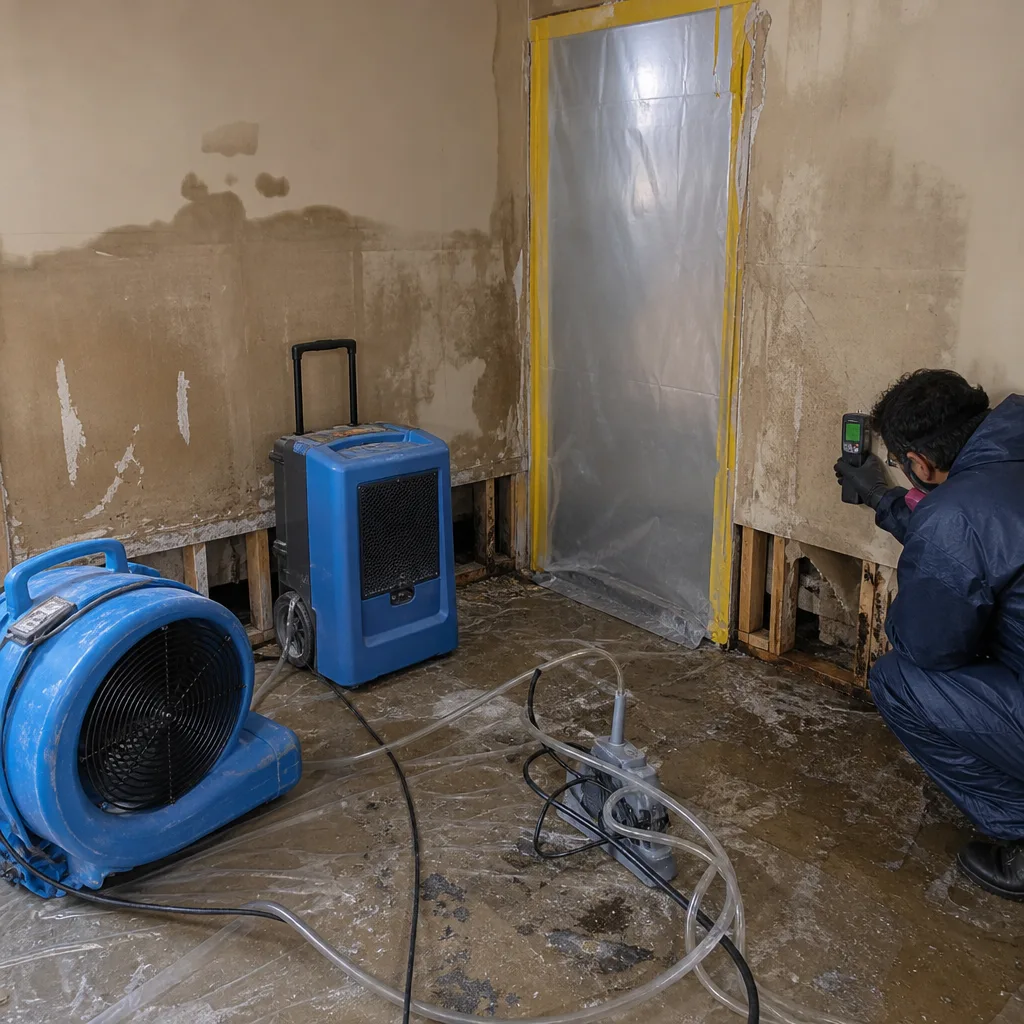
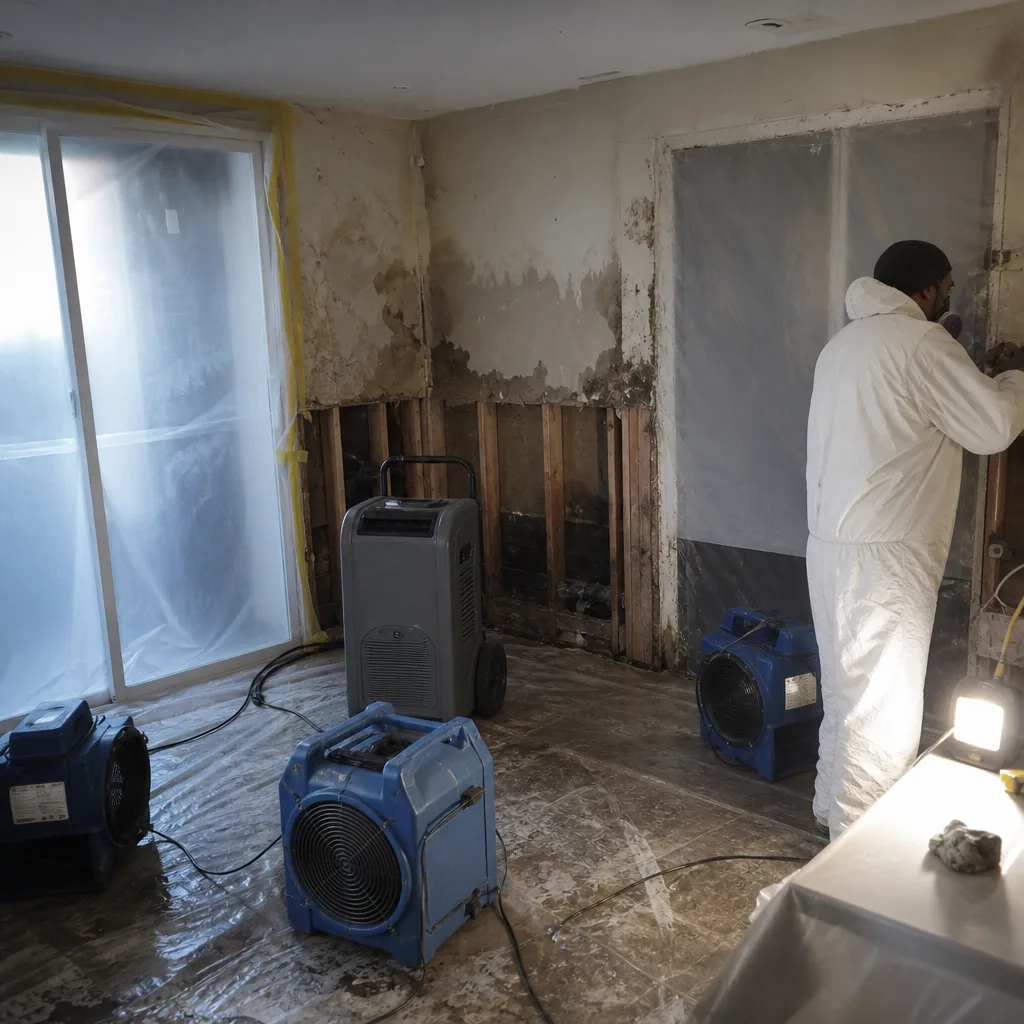
When water invades a hillside home, acting within the first 24 to 48 hours makes the difference between a drying project and a mold remediation. After an atmospheric river storm, we responded to a hillside home on Ridge Park Road where water was seeping through the basement slab and a retaining wall. Using thermal imaging and moisture mapping, we traced moisture behind the stucco and under the slab, set up containment, and deployed Dri-Eaz dehumidifiers and air movers for structural drying. Our drying logs confirmed the concrete and framing reached pre-loss condition, and we applied antimicrobial treatment to prevent mold growth.
If water is inside your San Joaquin Hills home right now, call (833) 620-3891. You will reach a real person who knows this community and can get a crew moving. If the situation is less urgent, call anyway, and we will schedule a free assessment with a written scope and clear pricing. No pressure, no vague estimates. Just a clear plan from a certified restoration team that treats water damage as a core discipline.
Written by Noel Carbajal, Owner at Renew Water Damage, serving San Joaquin Hills and surrounding Orange County communities.