
 Water damage drying
 Fire & smoke cleanup
 Mold remediation
 Storm response
 Sewage cleanup
 Reconstruction
Free visual inspection and a written scope of work before any mitigation begins - photos, moisture readings, and drying logs go in your claim file
The scope we write is the scope we bill. Anything new gets shown to you, in writing, before we touch it.
Get your free estimateFast, Reliable Water Damage Restoration Across Redlands
Water damage restoration in Redlands typically costs $2,800 – $7,500 depending on how far water has traveled through plaster, subfloor, and wall cavities. Most jobs in 92373, 92374, and 92375 start with emergency extraction within 90 minutes of your call. Renew Water Damage runs IICRC-certified crews into Redlands daily, and we know exactly what happens to century-old Craftsman homes and 1980s tract houses when monsoon sheet flow or a burst polybutylene line lets go at 2 a.m. If you’re standing in water right now, call (833) 620-3891 before you do anything else. Then we’ll walk you through the next steps calmly, because this is what we do every day.
Redlands isn’t like coastal Orange County, where moisture hangs around for weeks and every drying job is a humidity fight. Here, the air is dry, the clay is heavy, and the water moves differently. That changes how a restoration should be scoped. It’s why generic advice from a national franchise website won’t tell you what’s actually happening behind the lath and plaster on a 1923 bungalow off Brookside Avenue.
Why Renew Water Damage Is Redlands’s Preferred Water Damage Restoration Company
We’ve run enough jobs in Redlands to know the city block by block. Downtown near 92373, we’re working inside original Spanish Revival and Craftsman homes where plaster walls hide moisture for days before it shows. Out toward 92374 and the hillside, we’re pulling saturated carpet and pad from slab foundations where the dry heat makes everything look fine on the surface long before it actually is. That local pattern recognition is exactly what our Water Damage Restoration team brings to every job: we know what to check first in Redlands because we’ve checked it before.
Noel Carbajal built Renew Water Damage around a simple idea: restoration should be run by people who are trained to a documented standard, not people figuring it out as they go. Our crews carry IICRC certification and work to S500 drying protocols. We’re RIA and IFA members, which means we’re accountable to ongoing professional standards beyond the initial certification. Redlands homeowners regularly tell us the same thing: another company showed up, moved some air, and left. We don’t do that. We run moisture mapping, keep drying logs with daily readings, and stay until the numbers prove the structure is dry.
Our response time into Redlands is built around the drive from our Orange base. For emergency extraction in central and north Redlands along Lugonia Avenue or Colton Avenue, we’re typically on site within an hour to 90 minutes. For the east side and Mentone corridor, add a little time for traffic on the 10. If you’ve got standing water, that window matters.
Restoration work we handle
Water Mitigation in Redlands
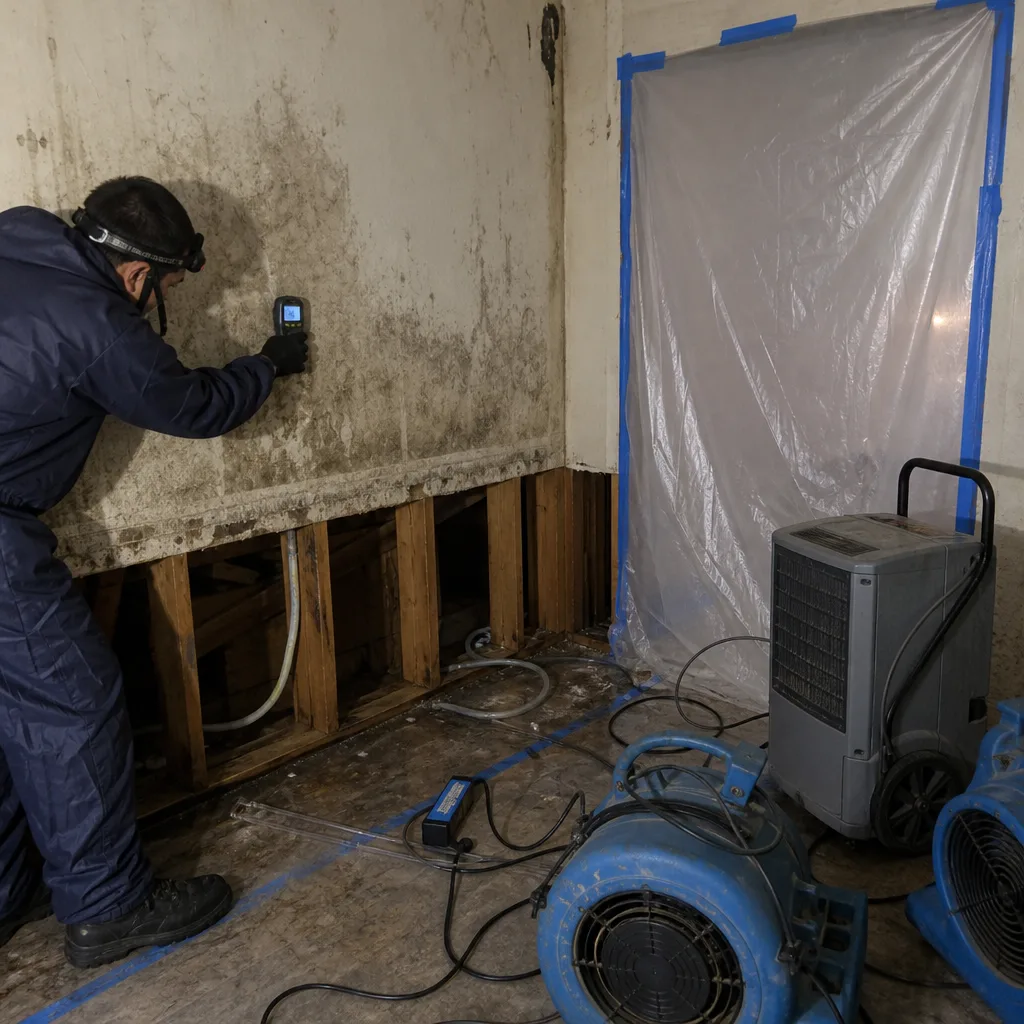
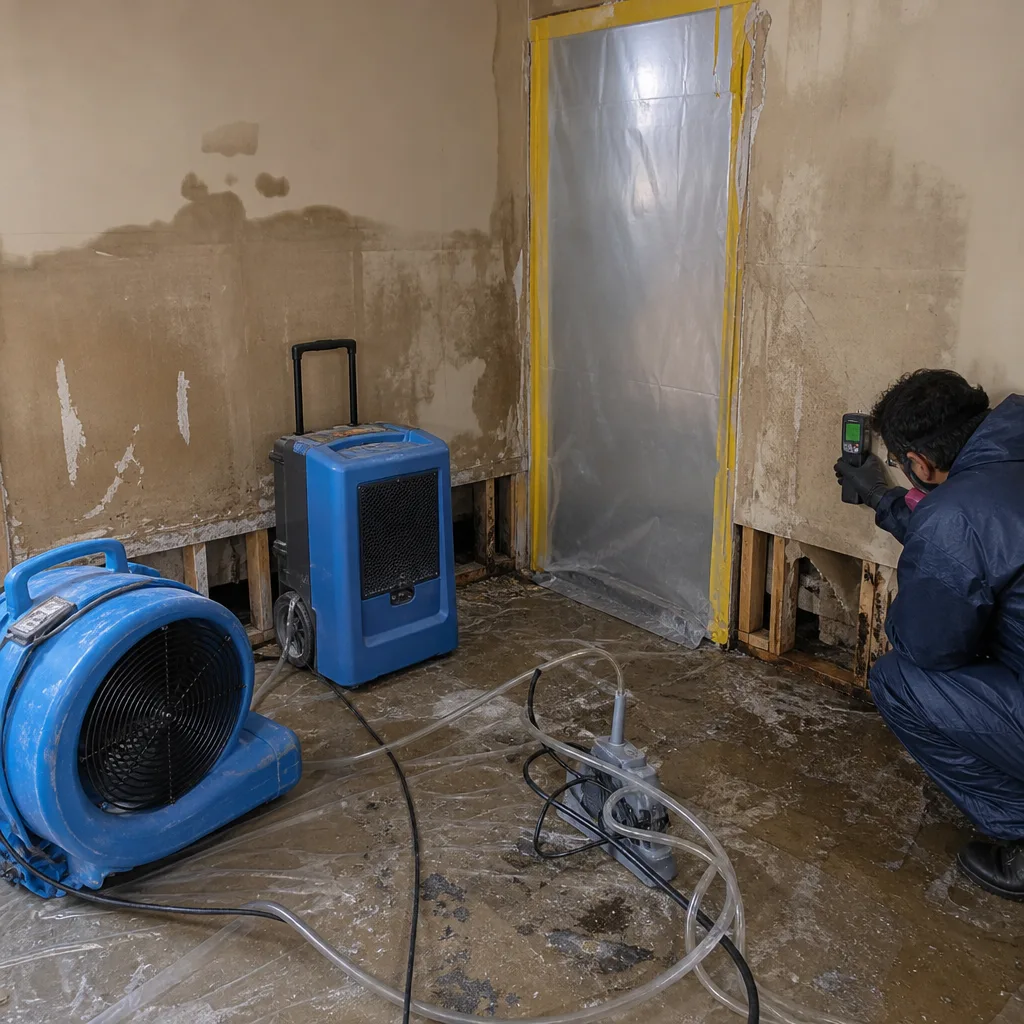
Water mitigation in Redlands means something specific: stopping active water movement, then mapping and drying what’s already saturated before it turns into a mold or structural problem. The catch here is the surface dry-down. Redlands’ dry heat, especially June through September, pulls moisture off plaster and slab surfaces overnight. A homeowner runs a hand over the wall in the morning, it feels dry, and they cancel the rest of the job. Then the moisture still trapped against original cast-iron waste lines or inside wall cavities keeps working for weeks. That’s why our mitigation crews here always run moisture meters across every surface of the affected area, not just the visible staining. On a recent job off Cajon Street, the plaster felt dry to the touch less than 48 hours after a July thunderstorm pushed sheet flow into a true basement. Our meters showed 28% moisture content still sitting in the lower wall cavities. Air movers alone would never have reached it. We ran Injectidry negative-pressure drying inside the wall and subfloor system, which dries the cavity without tearing out the original plaster. That matters in a city where the historic fabric of the house is part of the value.
Containment and Category 2 vs. Category 3
When storm water or a supply-line break floods a Redlands basement, the first call is whether that water is Category 2, which is significantly contaminated, or Category 3, which is grossly contaminated. A supply line break is usually Category 1 or 2. Monsoon runoff that crossed a clay yard and a grove-side irrigation ditch can be Category 3. We determine that on site and set up containment accordingly before we start cutting anything.
Drying logs, not guesses
Every Redlands mitigation job gets a daily drying log with actual moisture readings from specific points on the floor plan. That’s the IICRC S500 standard, and it’s what lets us show you, and your adjuster, exactly when the structure hit dry standard. Not when it felt dry. When the numbers said dry.
Flooded Basement in Redlands
Flooded basement in Redlands is a particular problem because true basements are rare in California, which means few restoration companies in this market have ever worked inside one. Downtown 92373 is the exception. Early 1900s homes off Cajon Street, Highland Avenue, and around Brookside often have real basements or root cellars with original cast-iron waste lines and galvanized supply piping running through the walls. When monsoon sheet flow pushes against those foundations, say 3 to 6 inches of water in an hour, it doesn’t seep in gradually. It comes in at the base of the wall and behind old stucco where air movers alone can’t reach. We run water extraction first, then Injectidry cavity drying inside those walls before we even think about closing the scope of work. A flooded basement in a 1923 Redlands home needs a different sequence than a slab flood in a 1987 tract house. We run that different sequence.
Clay soil and the water entry point
Redlands sits on heavy clay that was flood irrigated for citrus for generations, especially around the old grove edges near the packing district. Clay doesn’t drain. It sheds water sideways. So during a July or August monsoon cell, water runs across the yard and piles against the foundation instead of soaking in. That’s why Redlands basement floods often show a clean water line up the interior wall with little water on the floor at first. The clay is directing the water to the one place it can go: through the foundation wall and into the basement.
Extraction before anything else
Standing water in a Redlands basement gets extracted first, every time. We bring truck-mounted extraction for volume jobs, or portable extractors for tight access on older lots. Then we map moisture, set drying equipment, and start the containment decision. The order matters. Skip extraction and you’re just circulating wet air through a wet room.
Trusted Brands We Service in Redlands
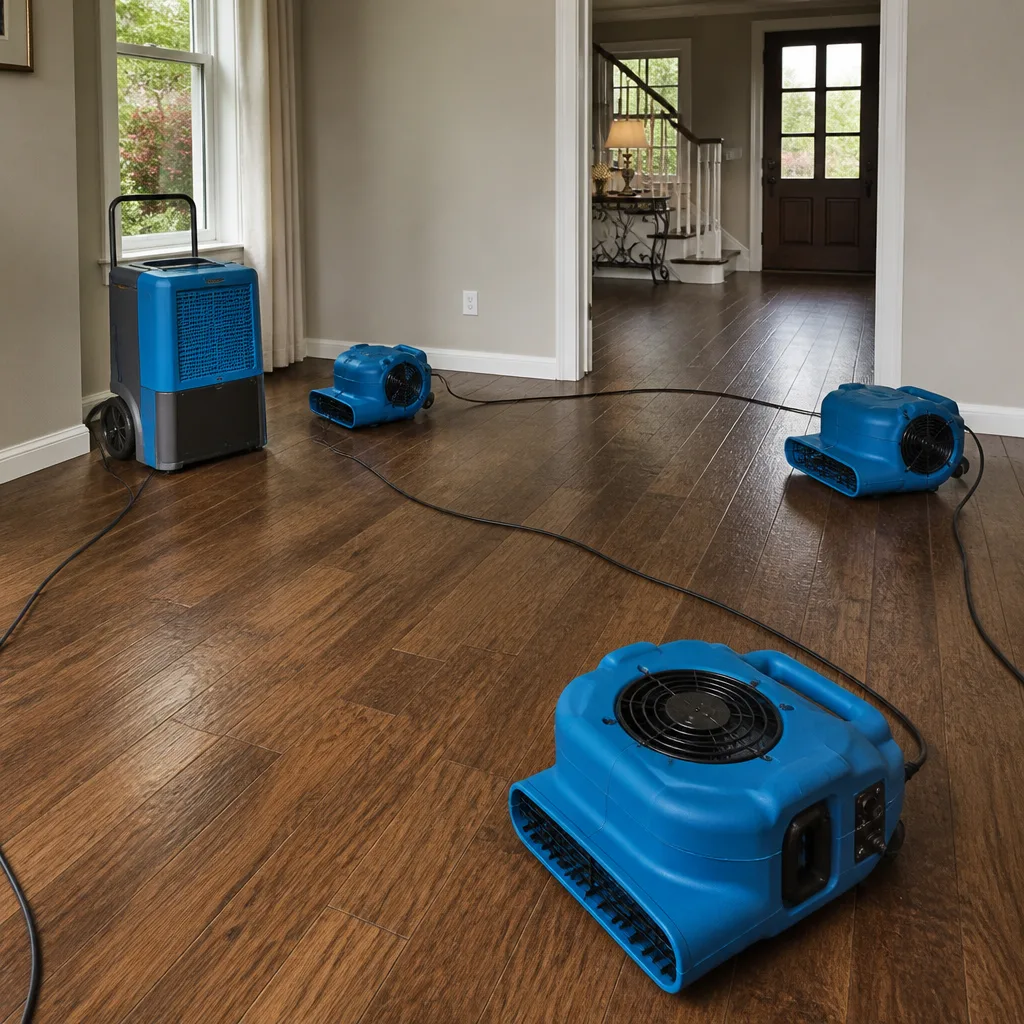
We deploy the same equipment on Redlands residential jobs that commercial restoration companies run on large-loss claims: Dri-Eaz and Phoenix dehumidifiers, XPOWER air movers, and Injectidry cavity drying systems. That’s not an upsell, it’s just the right tool for the job. A consumer-grade fan from the hardware store doesn’t put a dent in the kind of saturation we see behind Redlands plaster walls. We stock common replacement parts and drying accessories locally so a mid-job failure never stalls a Redlands dry-out. If your home was built before 1940, the plaster and framing respond differently to heat and airflow than drywall does, and our equipment settings reflect that. The machine matters, but the person reading the daily moisture log matters more.
See the difference
 Before
 After
 Before
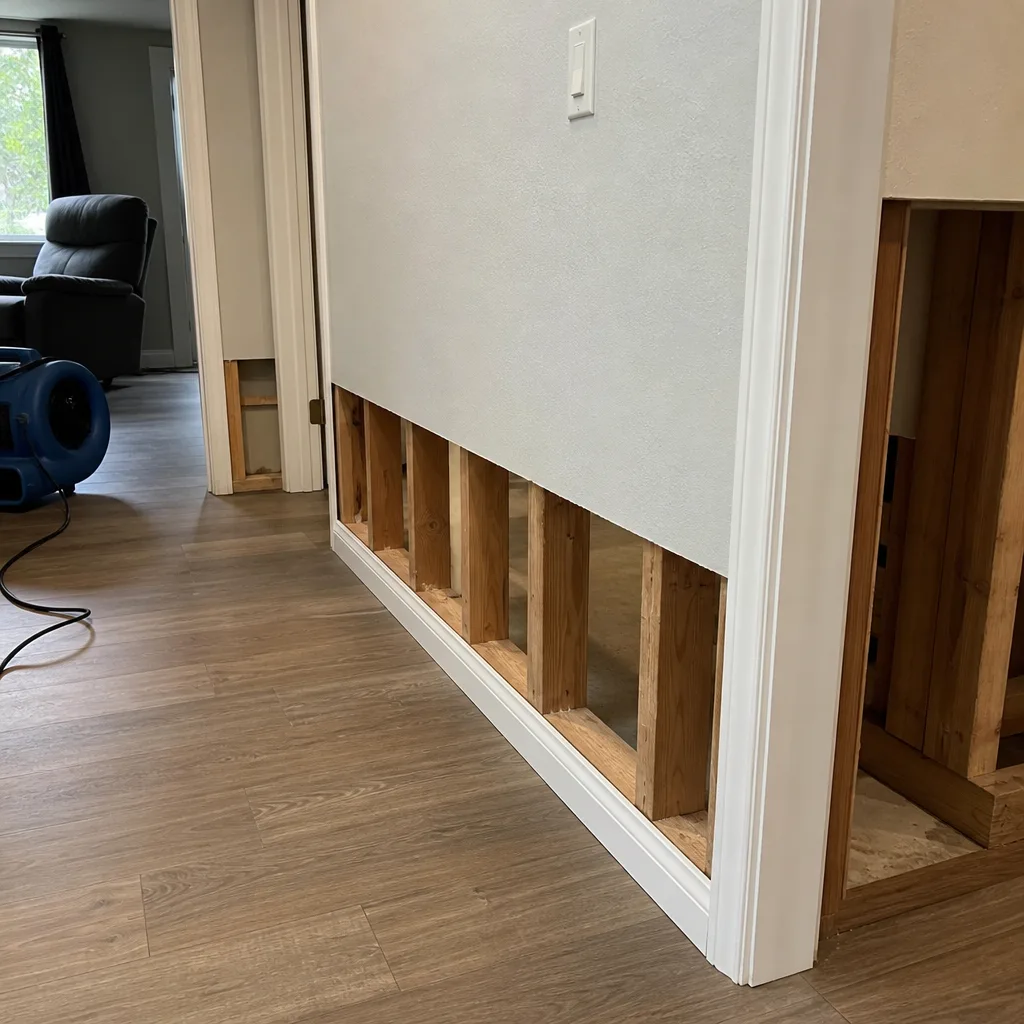 After
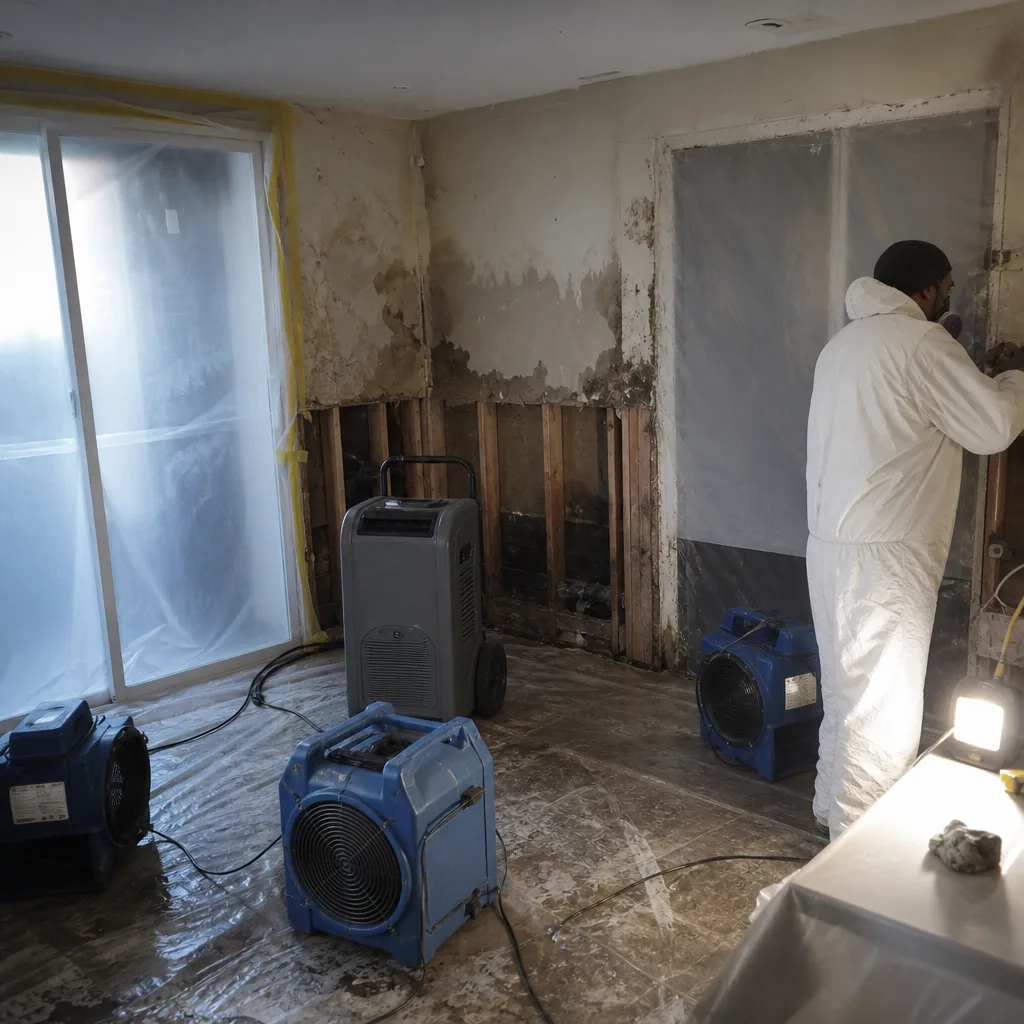 Before
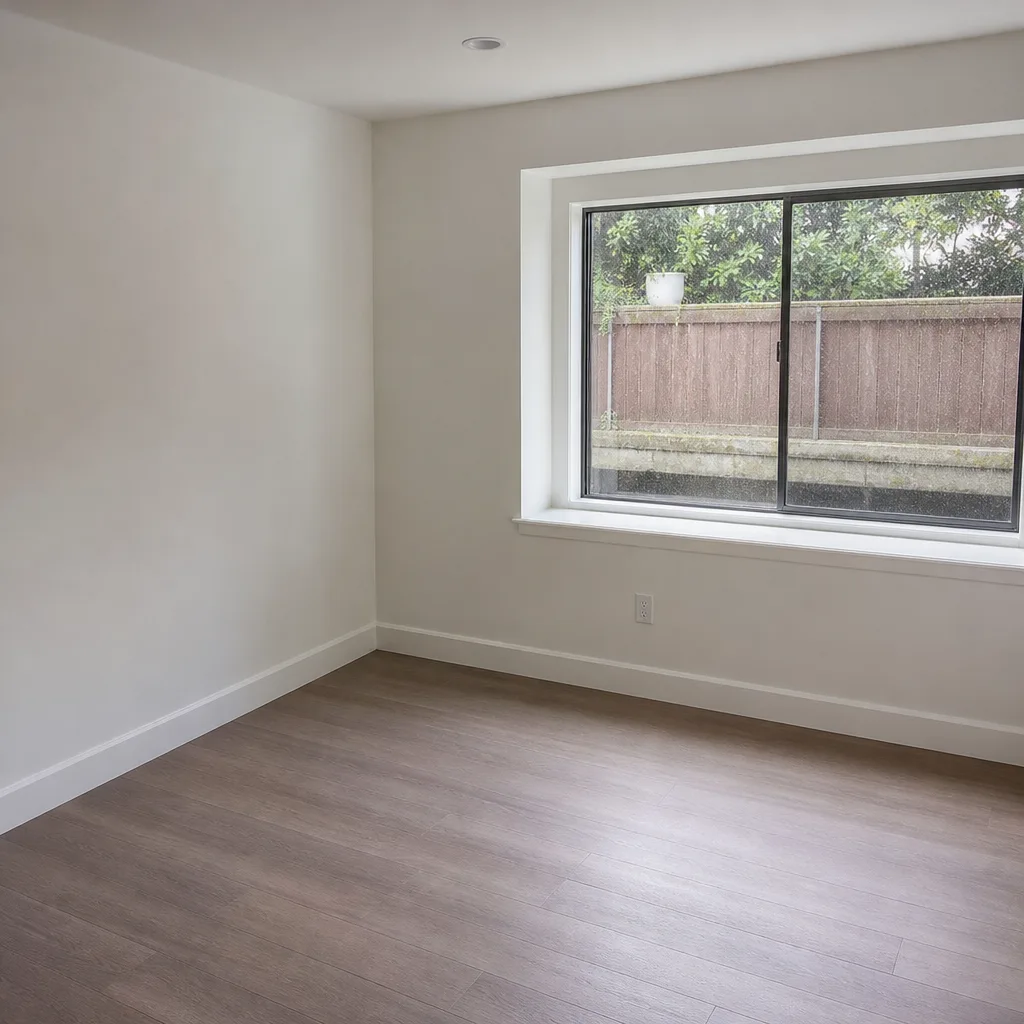 After
Common Water Damage Restoration Problems We See in Redlands Homes
- Surface dry-down hides deep saturation. Redlands’ dry heat pulls moisture off plaster and slab surfaces within a day or two, which makes walls feel dry while moisture keeps working against original cast-iron and galvanized lines inside 92373 basement walls. Without moisture mapping and drying logs, a restoration company simply misses it.
- Clay soil and grove-era flood irrigation push water against foundations. Water enters at the base of walls and behind old stucco, where air movers alone won’t reach. The fix is cavity drying with negative pressure, not just more airflow in the room.
- Wildfire smoke and ash overlap with water jobs. Ash-soaked debris and soot settle on wet surfaces during Santa Ana wind events from the San Bernardino Mountains and Crafton Hills. If that’s not identified during the initial scope, antimicrobial treatment and containment decisions come too late in the process.
- Old plumbing fails during the same storms that flood. Cast-iron waste lines and galvanized supply pipes in pre-1940 homes are already at the end of their service life. A monsoon storm that floods a basement also stresses those lines at the joints, which is why we inspect pipe conditions as part of the restoration scope rather than treating the flood as a standalone event.
Pricing for Water Damage Restoration in Redlands, CA
A straightforward water mitigation job in Redlands, extraction plus drying with air movers and dehumidifiers on a single room, typically runs $1,800 – $3,200. A flooded basement in 92373 with cavity drying inside original plaster walls runs higher, usually $4,000 – $7,500 depending on square footage and whether containment is required. Full restoration that includes drywall removal, trim replacement, and antimicrobial treatment on a Category 3 loss can reach $9,000 – $14,000. What changes the price: how long the water sat before extraction, whether walls and flooring hold category-level contamination, and how much original material we can dry in place instead of tearing out. We give you a written scope of work with line-item pricing before we start any restoration phase, so you know the number up front.
Call (833) 620-3891 for a free estimate. We’ll walk the affected area with you, run initial moisture readings, and give you a straight answer on cost the same day.
We Also Serve Cities Near Redlands
Our crews run restoration jobs throughout the east Inland Empire, not just in Redlands. We regularly work in Mentone, Loma Linda, Highland, and Colton, often on the same day we’re scheduled in Redlands. If you’re just outside the city line, call (833) 620-3891 and ask for our Redlands team. We’ll tell you honestly how soon we can be there.
Serving Redlands, CA — Our Local Coverage Area
We’re based in the Redlands area and know this community well. Use the map below to see our service coverage — if you’re nearby, we can almost certainly help.
FAQs About Water Damage Restoration in Redlands
Because Redlands’ dry heat wicks moisture off plaster surfaces fast enough that a visually dry wall is often still saturated inside, holding 20% or higher moisture content against cast-iron lines and framing where mold will grow. Moisture mapping uses calibrated meters to read what’s inside the wall cavity, not what’s on the surface. On a dry-heat city like Redlands, skipping this step is how “dried” basements grow mold six weeks later.
Clay sheds water sideways instead of absorbing it, so monsoon rainfall and even heavy irrigation from old grove-era lots pushes water against the foundation and into the base of walls rather than draining away. That changes where water enters and where to look for trapped saturation, which is why Redlands jobs need cavity drying behind stucco and plaster more often than coastal jobs do. Call (833) 620-3891 and we’ll explain what we’re seeing at your foundation.
Yes. Ash and soot from San Bernardino Mountains and Crafton Hills fires settle on wet surfaces and get pulled into wall cavities during drying, which changes the contamination level and the antimicrobial treatment plan. If the initial scope misses soot, the drying process can actually spread it. We include a surface contamination check on every Redlands water job during fire season before we set equipment. Call (833) 620-3891 to have your specific situation assessed.
When contaminated water reaches contents, upholstered furniture, or textiles that can’t be cleaned in place, or when structural drying would take so long that mold risk outweighs the cost of moving items out. In Redlands’ dry heat, in-place drying often works on floors and walls because the ambient air pulls moisture out quickly if equipment is running right. But some contents can’t wait. We make that call item by item and show you the reasoning before anything leaves your house.
Surface drying happens within 24 – 48 hours, which is fast, but full structural drying to below 16% moisture content in plaster and framing usually takes 4 – 7 days with proper dehumidification and cavity drying. The dry heat helps, but it doesn’t reach inside walls by itself. That’s why we run Dri-Eaz and Phoenix dehumidifiers in containment, and why we log daily moisture readings instead of guessing. Call (833) 620-3891 for an honest timeline on your specific basement.
Written by Noel Carbajal, Owner at Renew Water Damage, serving Redlands since day one with IICRC-certified restoration crews and commercial-grade drying equipment.