 Water damage drying
 Fire & smoke cleanup
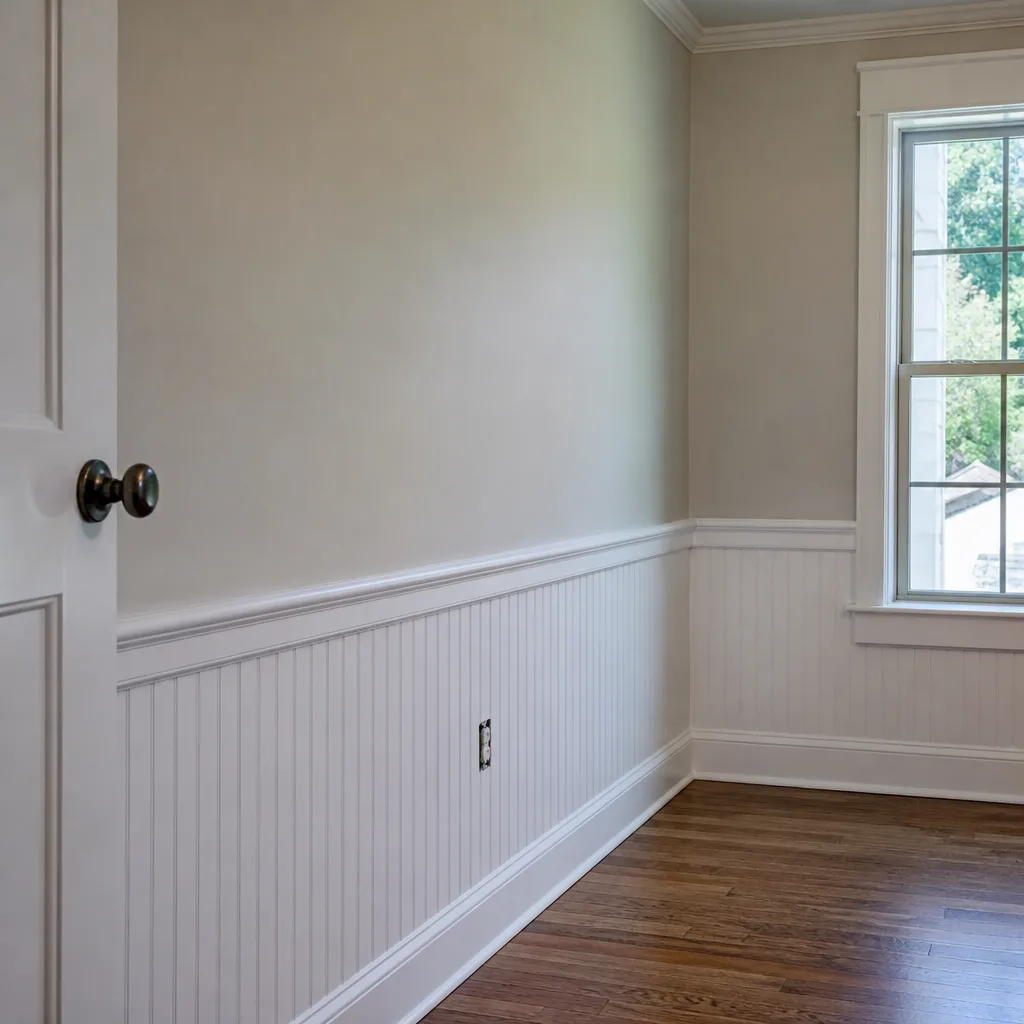 Mold remediation
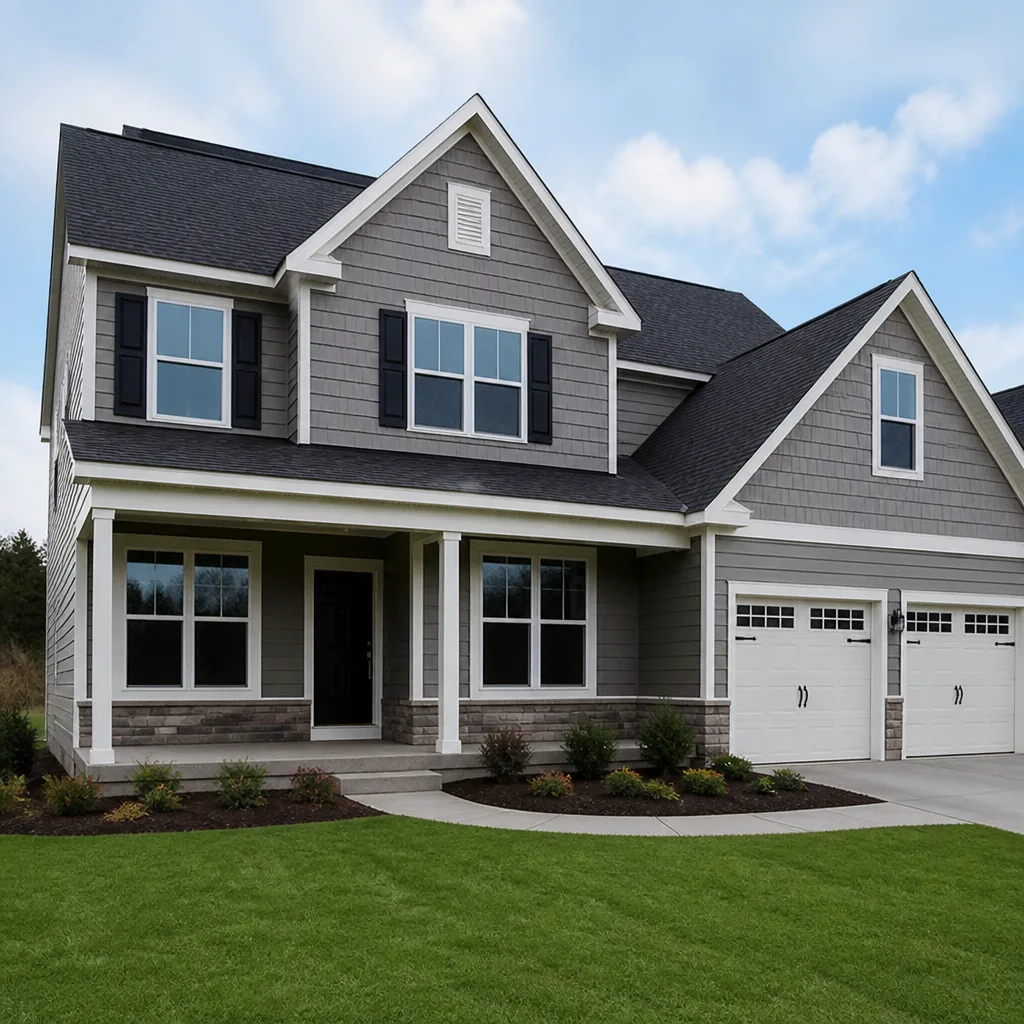 Storm response
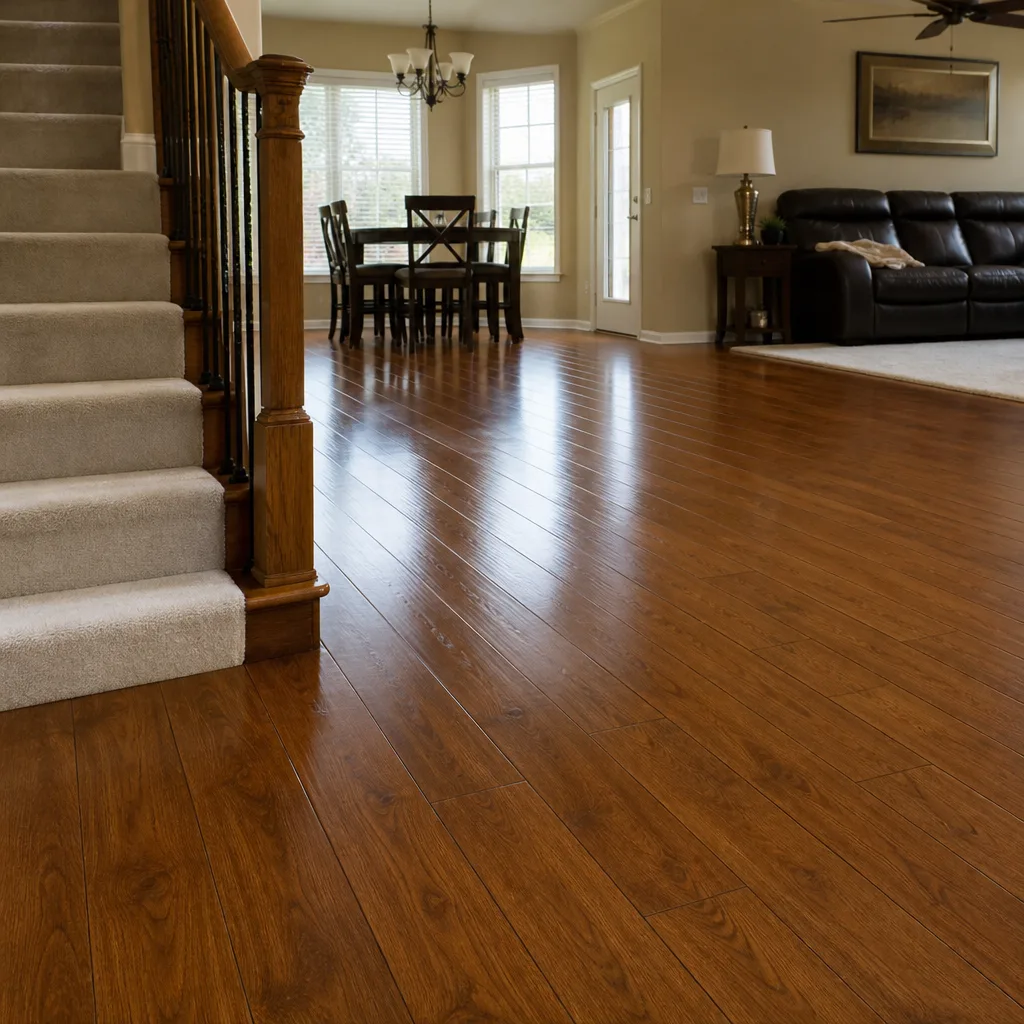 Sewage cleanup
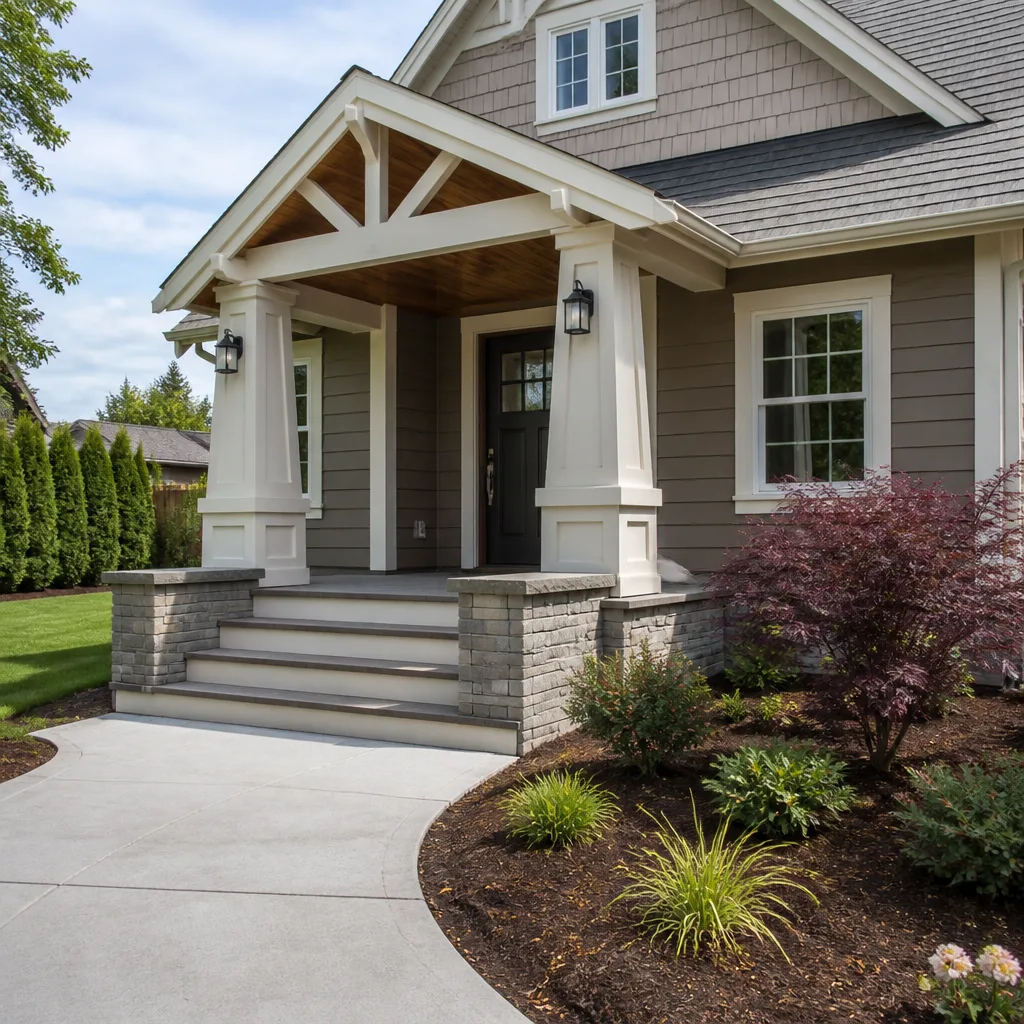 Reconstruction
Free visual inspection and a written scope of work before any mitigation begins - photos, moisture readings, and drying logs go in your claim file
The scope we write is the scope we bill. Anything new gets shown to you, in writing, before we touch it.
Get your free estimateFast, Reliable Water Damage Restoration Across Mead Valley
Water damage restoration in Mead Valley typically costs between $2,100 and $6,800 depending on the water category, square footage affected, and whether structural drying reaches inside wall cavities. Most emergency extractions can begin the same day. If you’re standing in water right now, call (833) 620-3891 and we’ll walk you through immediate steps before our crew arrives from Orange.
We know Mead Valley’s roads, its rural parcel layouts, and the way monsoon sheet water moves across slab-on-grade foundations. That local knowledge changes how we set up drying systems, where we look for hidden moisture, and how quickly we can stop secondary damage. Our Water Damage Restoration team has handled well-system overflows, septic backups, burst supply lines in manufactured homes, and wind-driven rain intrusion in older single-family stock throughout 92570.
Why Renew Water Damage Is Mead Valley’s Preferred Water Damage Restoration Company
Homeowners in Mead Valley call us because we treat every water loss as potentially contaminated until proven otherwise. That’s not pessimism. It’s protocol. With so many properties on private wells and septic systems, water that looks clean often carries bacteria, nitrates, or worse. Noel Carbajal built Renew Water Damage around IICRC-certified methods, and every technician follows documented drying standards, not guesswork.
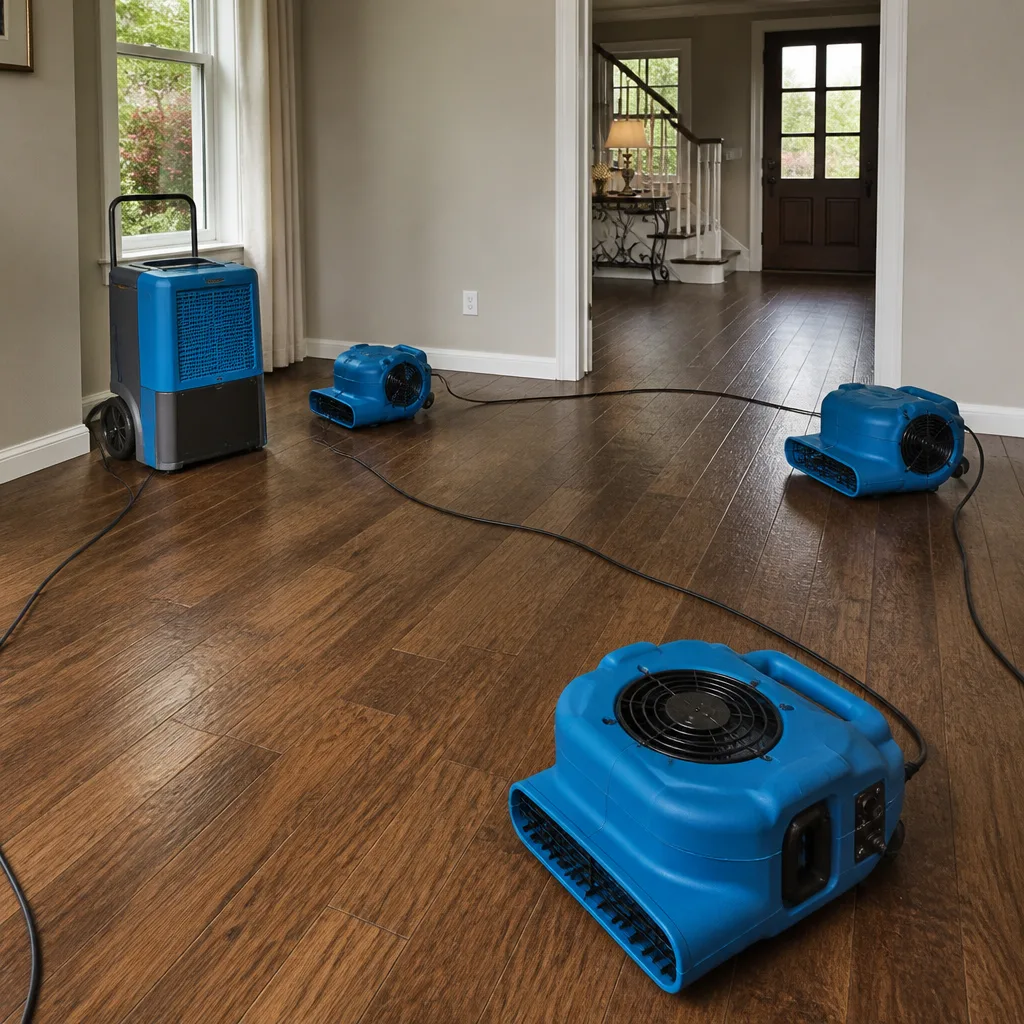
We’re members of the Restoration Industry Association and IFA, which means ongoing accountability beyond a wall certificate. Our crews arrive with commercial-grade equipment: Dri-Eaz dehumidifiers, Phoenix air movers, XPOWER axial fans, and Injectidry wall-cavity drying systems when moisture has wicked behind drywall. That last piece matters in Mead Valley, where older homes hide surprises behind baseboards and under subfloors.
Restoration work we handle
Water Damage Repair in Mead Valley
Water damage repair in Mead Valley means restoring a home to pre-loss condition after water has been extracted and the structure dried. That can include replacing drywall, repairing flooring, repainting, and addressing any electrical or trim damage. In our experience serving Mead Valley, repair costs typically run $900 to $4,200 for localized damage, while repairs spanning multiple rooms after a Category 3 loss can exceed $9,000 when cabinetry, insulation, and flooring all come out.
Structural Drying Before Repairs Begin
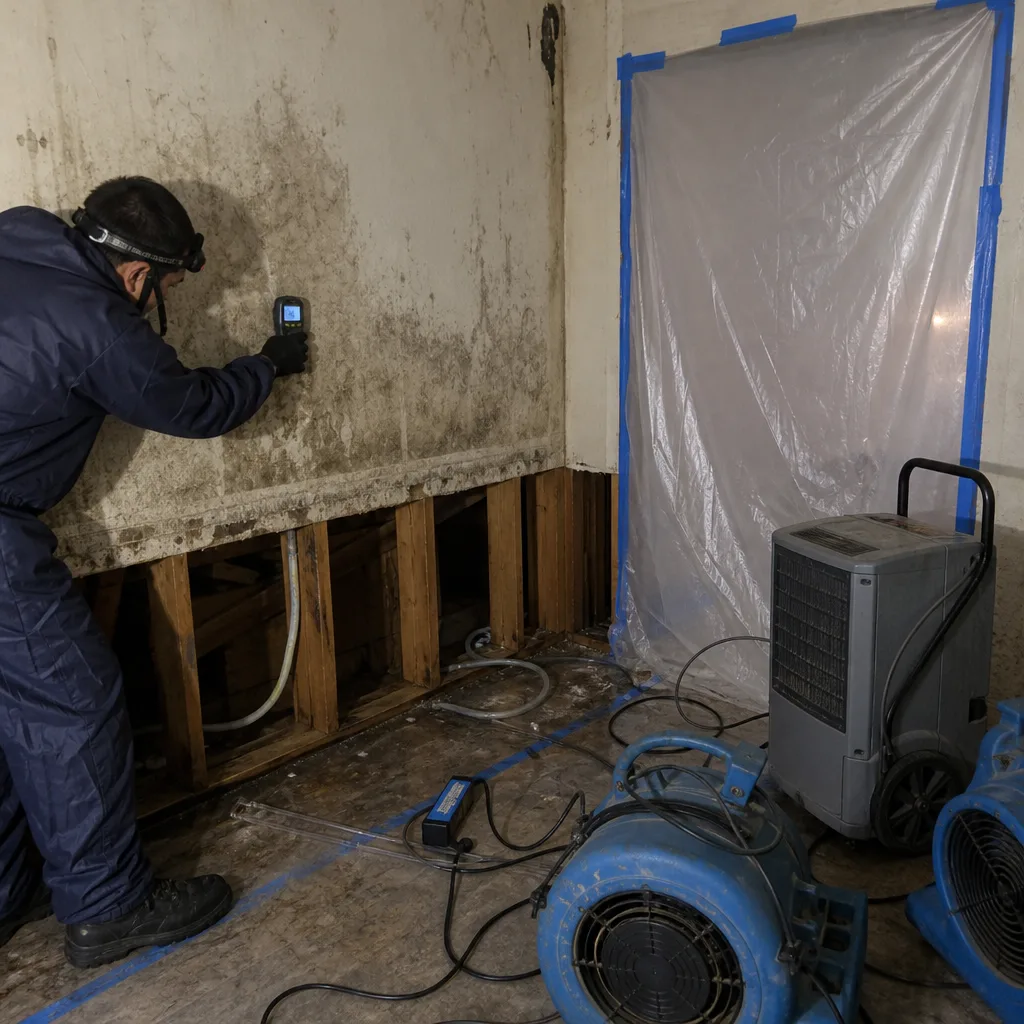
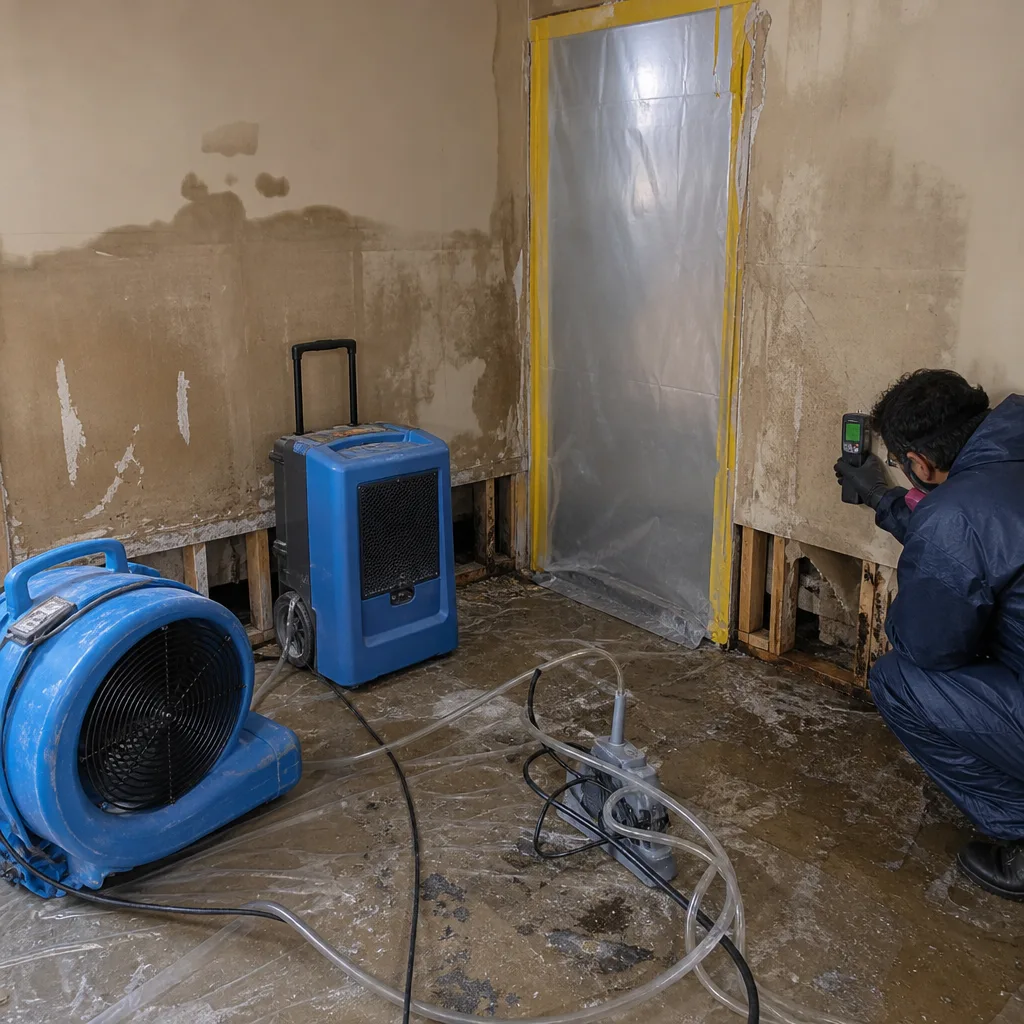
We don’t patch over wet framing. If moisture remains in wall cavities or under vinyl plank flooring, the repair will fail. Our crews map moisture with thermal imaging and moisture meters, then set drying chambers that target the actual wet zones. In Mead Valley’s older homes with stucco or wood siding, drying can take 4 to 7 days depending on humidity and temperature swings.
Manufactured Home Repairs
Manufactured homes on rural lots present a different repair profile. Floors are often particleboard over insulation, which swells and loses integrity fast. We’ve repaired dozens of these in Mead Valley, and the sequence is straightforward: extract, dry, remove compromised materials, then rebuild with materials rated for the home’s specific construction.
Water Mitigation in Mead Valley
Water mitigation in Mead Valley is the first-line response that stops damage from spreading. That means extraction, containment, dehumidification, and antimicrobial treatment before drying even finishes. For a typical slab leak or supply line failure here, mitigation costs range from $1,400 to $3,800. If monsoon sheet water flooded a slab-on-grade home, expect mitigation costs on the higher end because of the ground saturation and Category 3 protocols required.
Rapid Extraction and Containment
The first 24 to 48 hours determine whether you’ll need a repair or a rebuild. We arrive with truck-mounted extraction units and portable extractors for tight spaces common in older Mead Valley homes. Containment barriers go up immediately when contamination is suspected, keeping affected air from circulating through the rest of the house.
Well Failure and Septic Overflow Response
This is where Mead Valley differs sharply from Perris or Canyon Lake. A failed well casing or septic lift pump means water entering the home must be treated as Category 3, even if it looks clear. We follow IICRC S500 standards for contaminated water: full PPE, dedicated extraction equipment, disposal per Riverside County requirements, and antimicrobial application before any drying begins.
Trusted Brands We Service in Mead Valley
We work on all major equipment brands found in Mead Valley homes, including Bradford White and Rheem water heaters, Moen and Delta supply lines, and Grundfos well pumps. Because many rural lots here use well pressure tanks and booster pumps rather than municipal supply, we stock common fittings and connectors for those systems on our trucks. That means fewer return trips and faster turnaround when your water line fails at 9 p.m. on a Sunday.
See the difference
 Before
 After
 Before
 After
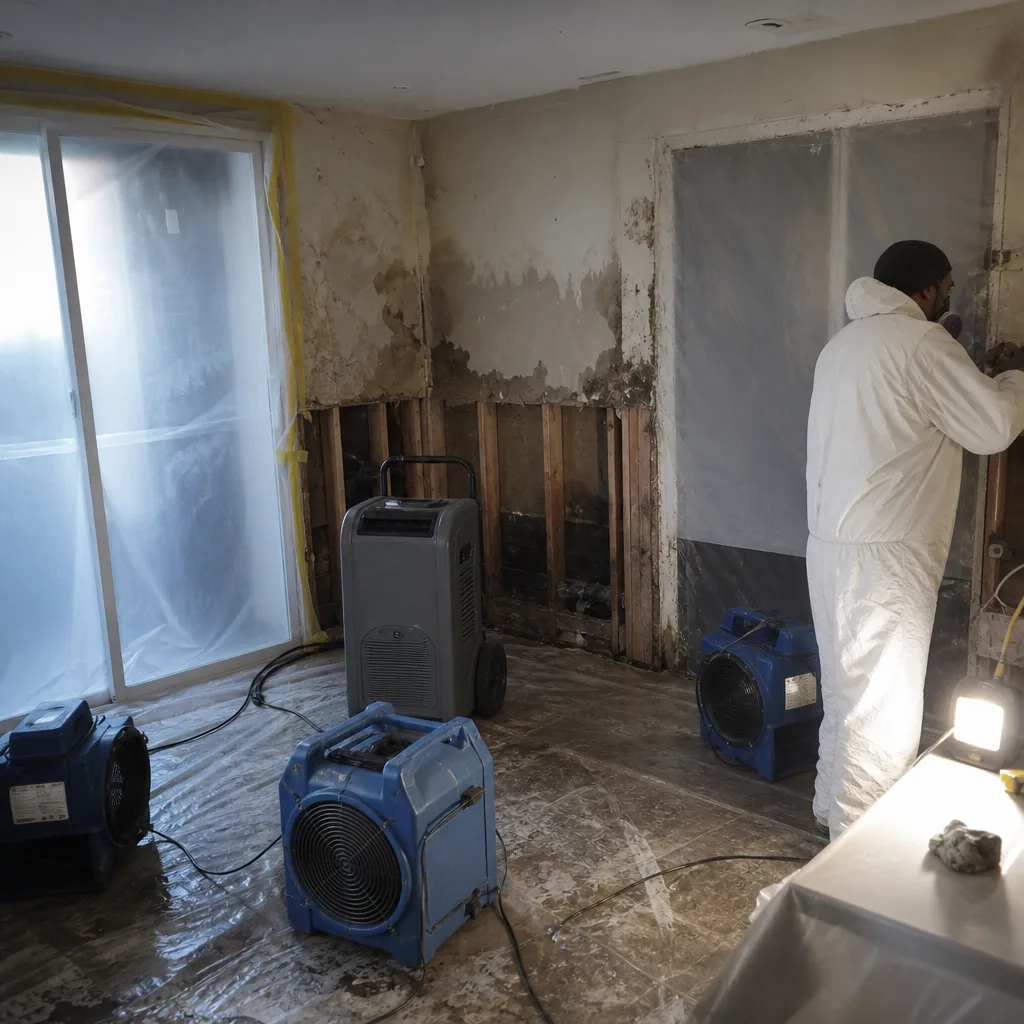 Before
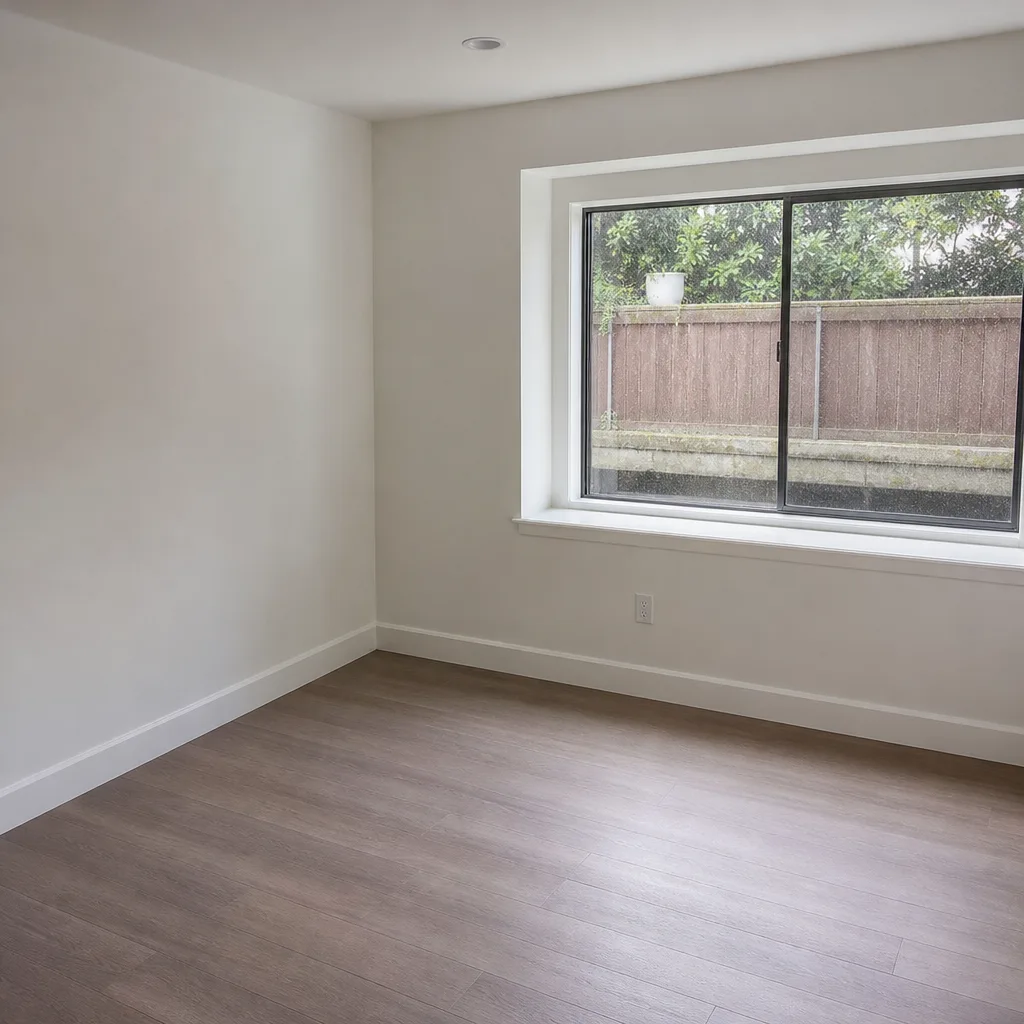 After
Common Water Damage Restoration Problems We See in Mead Valley Homes
- Well water contamination mistaken for clean water. Homeowners assume well water is fine because it comes from the ground. Without testing, we treat every loss involving well overflow or casing failure as Category 3. This changes extraction methods, disposal, and drying protocols.
- Slab-on-grade flooding during monsoon downpours. Mead Valley’s topography funnels sheet water across flat lots faster than drains can handle. When water pools against the foundation and seeps under doors, the wicking into drywall starts within hours. Early extraction is the difference between $1,500 in mitigation and $7,000 in reconstruction.
- Wind-driven dust intrusion after Santa Ana events. Fine grit and dust push through every gap in older single-family homes, settling into HVAC ducts and attics. When water later enters the same spaces, that dust becomes a paste that traps moisture and feeds microbial growth. We clean HVAC registers and duct work as part of our drying scope on these jobs.
- Septic lift pump failures causing interior sewage backups. Older rural lots in Mead Valley often have septic systems near end-of-life. When a lift pump fails during heavy rain, sewage backs up into tubs and floor drains. These are Category 3 losses requiring full containment, removal of affected materials, and aggressive antimicrobial treatment.
Pricing for Water Damage Restoration in Mead Valley, CA
Here’s what you can expect to pay in Mead Valley based on the work we typically perform:
- Emergency water extraction: $450 – $1,100
- Structural drying with dehumidifiers and air movers: $1,200 – $3,500
- Water mitigation for Category 3 losses: $1,800 – $4,800
- Water damage repair (drywall, flooring, trim): $900 – $9,500 depending on scope
- Full restoration from flood or sewage backup: $5,000 – $18,000+
Your final cost depends on the water category, square footage of affected area, whether wall cavities need Injectidry drying, and what materials must be removed versus restored. We give you a written scope before any work starts, and we photograph everything for your insurance file. Call (833) 620-3891 for a free estimate.
We Also Serve Cities Near Mead Valley
Renew Water Damage serves the entire Riverside County corridor around Mead Valley, including Perris, Good Hope, Canyon Lake, and Meadowbrook. If your property sits a few miles outside Mead Valley on a rural parcel or in a nearby subdivision, we’re already familiar with the access routes, the well and septic prevalence, and the local building styles. One call covers the whole area.
Serving Mead Valley, CA — Our Local Coverage Area
We’re based in the Mead Valley area and know this community well. Use the map below to see our service coverage — if you’re nearby, we can almost certainly help.
FAQs About Water Damage Restoration in Mead Valley
We treat well-system water as Category 3 until testing proves otherwise. That means full PPE, dedicated extraction equipment, proper disposal, and antimicrobial treatment before drying begins. Mead Valley’s private wells aren’t tested for biological contaminants the way municipal water is, so we don’t take chances with your family’s health. Call (833) 620-3891 and we’ll explain the protocol for your specific loss.
Stop the water source if you can do so safely, then call us immediately. On slab-on-grade construction, water moves laterally under flooring and wicks up into drywall fast. We arrive with extractors and set up containment that day. The faster we get moisture meters on the slab and thermal imaging on the walls, the less material you’ll lose.
Yes. Manufactured homes require different drying math than site-built homes because the floor assembly is thinner and traps moisture against insulation. We use Injectidry cavity systems to pull moisture from under flooring and behind wall panels without tearing everything out. Our crew responded to a slab leak in a manufactured home off Alexander Street after a monsoon downpour saturated the perimeter. Using thermal imaging and moisture mapping, we found hidden moisture behind drywall that had wicked up from the flooded well casing. We set up containment with Dri-Eaz dehumidifiers and Phoenix air movers, extracted 40 gallons of Category 2 water, and applied antimicrobial treatment to prevent mold growth within the 24-48 hour window.
Dust intrusion complicates drying because fine particulates mix with moisture to form a paste that holds water against building materials. In Mead Valley, we regularly find dust-packed wall cavities and HVAC registers after Santa Ana events. Our drying plans include duct cleaning and register inspections whenever wind-driven dust is present, because dust trapped in a wet environment feeds microbial growth faster than clean framing would.
Older homes here have organic building materials and decades of dust accumulation in wall cavities, attics, and HVAC systems. When water enters, that organic matter becomes a food source for mold. Add Mead Valley’s hot summers, which accelerate microbial growth, and you have a 24-48 hour window for mold to establish. Our antimicrobial treatments are applied during mitigation, not after mold appears. Call (833) 620-3891 and we’ll assess your home’s specific risk.
Written by Noel Carbajal, Owner at Renew Water Damage, serving Mead Valley and surrounding Riverside County communities.