
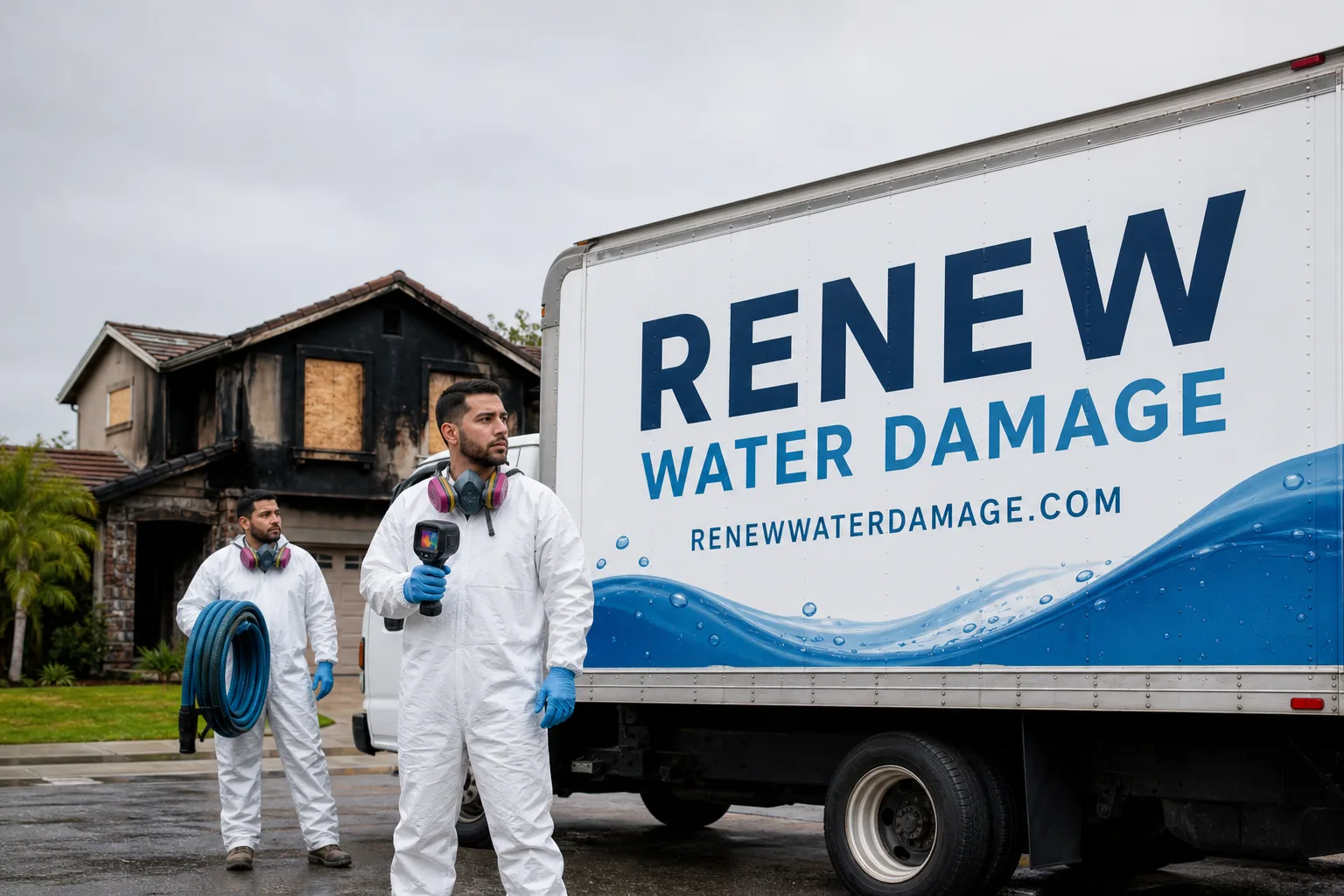
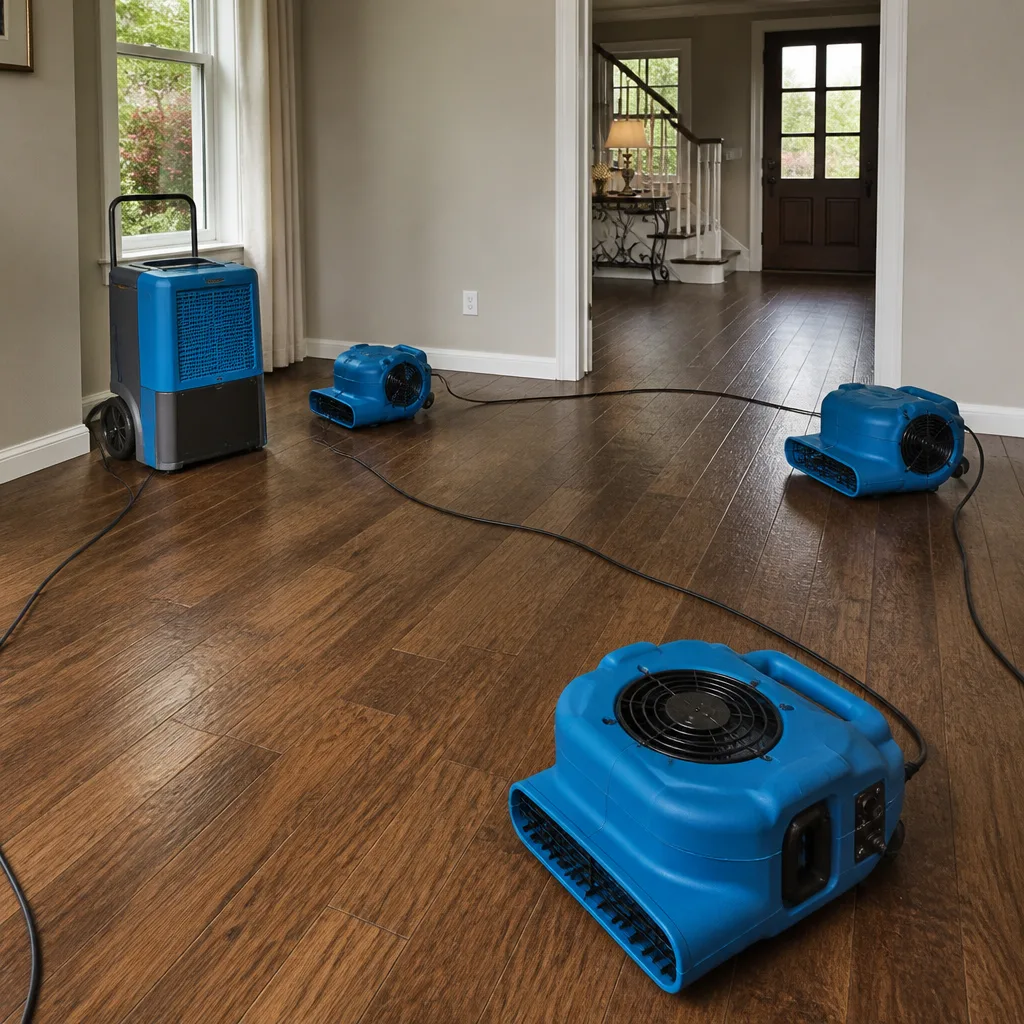
 Water damage drying
 Fire & smoke cleanup
 Mold remediation
 Storm response
 Sewage cleanup
 Reconstruction
Free visual inspection and a written scope of work before any mitigation begins - photos, moisture readings, and drying logs go in your claim file
The scope we write is the scope we bill. Anything new gets shown to you, in writing, before we touch it.
Get your free estimateFast, Reliable Water Damage Restoration Across Cypress
Water damage restoration in Cypress, CA typically costs between $1,800 and $6,500 depending on the affected area, water category, and whether shared walls or slab foundations are involved. Most jobs in Cypress are plumbing failures, not weather events, which means the source is almost always fixable and the drying scope is predictable once moisture mapping is done right. We’re based nearby and respond to Cypress properties across the 90630 ZIP code with IICRC-certified crews who understand the specific failure modes of this city’s housing stock. Call (833) 620-3891 any time you’re looking at standing water, a soaked ceiling, or a suspicious water stain in Cypress.
Why Renew Water Damage Is Cypress’s Preferred Water Damage Restoration Company
Cypress is not a generic Orange County suburb to us. The 1960s-to-1980s tract homes, attached condos, and HOA-governed communities here create restoration scenarios that you simply don’t see in newer master-planned cities or older detached-housing neighborhoods. Our Water Damage Restoration team has worked hundreds of jobs in and around Cypress, and we know the difference between a routine supply-line leak in a detached home on Holder Street and a shared-wall moisture problem in a Cypress Village townhome cluster.
Noel Carbajal, who leads our restoration operations, keeps every Cypress job tied to IICRC S500 drying standards. That means documented moisture readings, psychrometric calculations, and daily logs that HOAs and insurance adjusters actually accept without endless back-and-forth. We’re members of the Restoration Industry Association (RIA) and the IFA, which keeps our technicians accountable to ongoing professional standards beyond the initial certification. When a Cypress property manager calls us about a ceiling leak in an attached building, they’re not getting a generalist with a shop vac. They’re getting a crew that runs Dri-Eaz and Phoenix dehumidifiers, XPOWER air movers, and Injectidry cavity-drying systems. Commercial-grade equipment, residential attention to detail.
Restoration work we handle
Flood Damage Restoration in Cypress
Flood Damage Restoration in Cypress usually means one of three things: a burst supply line that dumped water across a slab floor, a washing machine or water heater failure that flooded a garage and adjacent room, or a winter storm that overwhelmed a roof or window flashing and sent water down interior walls. The dry-season plumbing failures are the most common by far, and they’re also the most deceptive because the water travels along slab depressions and under baseboards before anyone notices. A typical flood damage restoration in Cypress runs $2,500 to $5,800 depending on affected square footage and whether flooring, baseboards, or drywall need removal.
Emergency Extraction and Containment
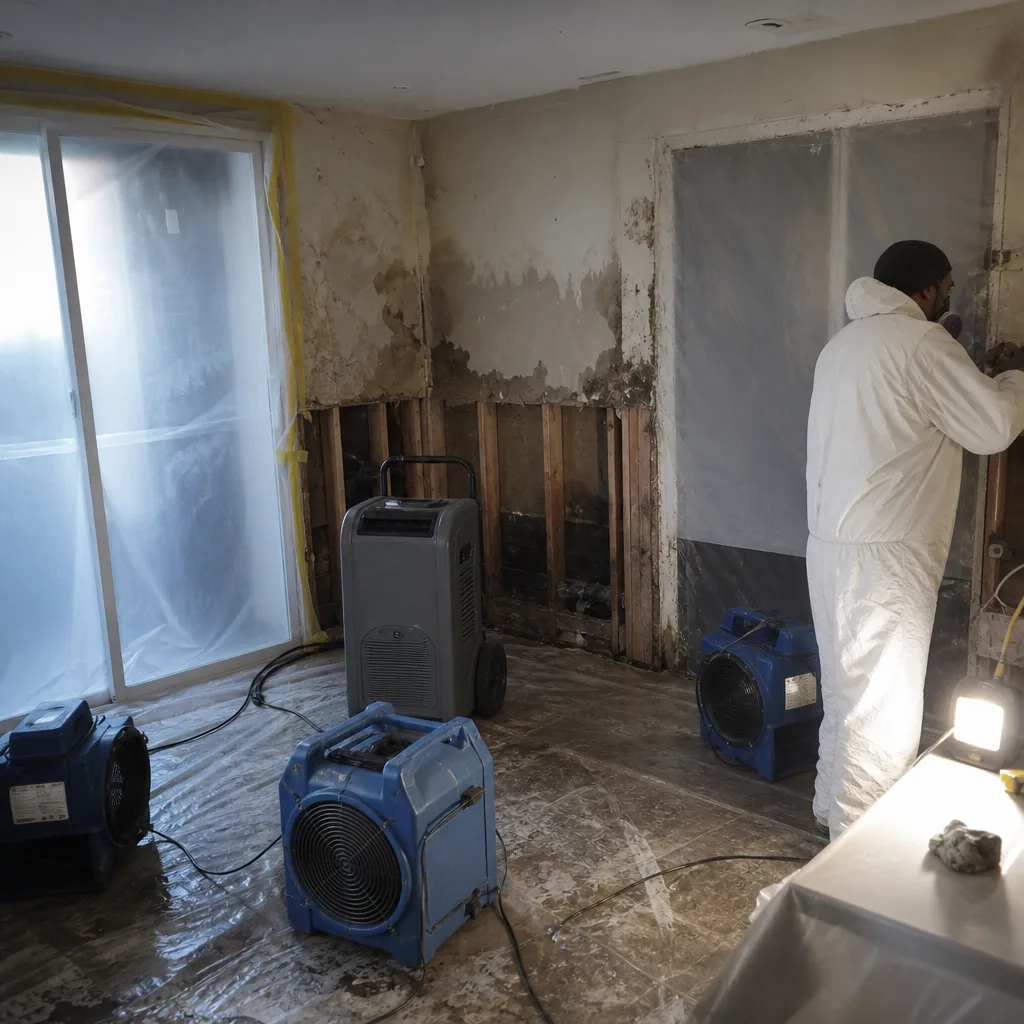
When water is actively flowing or standing, the first move is extraction and containment. We set up physical barriers to keep water from migrating into unaffected rooms while truck-mounted and portable extraction units pull standing water from floors, carpets, and pad. In Cypress attached units, containment almost always extends to the shared wall assembly, because water that breaches a party wall means the neighbor’s side becomes part of the restoration scope.
Flooring and Subfloor Response
Cypress slab-on-grade homes complicate flood response because water can travel under vinyl plank, laminate, or carpet pad before it becomes visible. We test for subfloor saturation and use Injectidry systems to dry the floor cavity from below when possible. If flooring is already delaminating or the pad is saturated with Category 2 or 3 water, the right call is usually removal rather than a salvage attempt that leaves hidden moisture.
Water Damage Cleanup in Cypress
Water Damage Cleanup in Cypress is the work of removing affected materials, drying the structure, and documenting every step so you’re not left with mold six months later or a denied insurance claim because the drying logs were incomplete. Cleanup costs in Cypress typically range from $1,200 to $4,000 for contained leaks and smaller affected areas, while multi-room or shared-wall jobs that require drywall removal, flooring replacement, and full drying setups can reach $6,000 or more. The cost driver is almost never the water itself; it’s what the water touched and how long it sat before someone found it.
Moisture Mapping Before Demolition
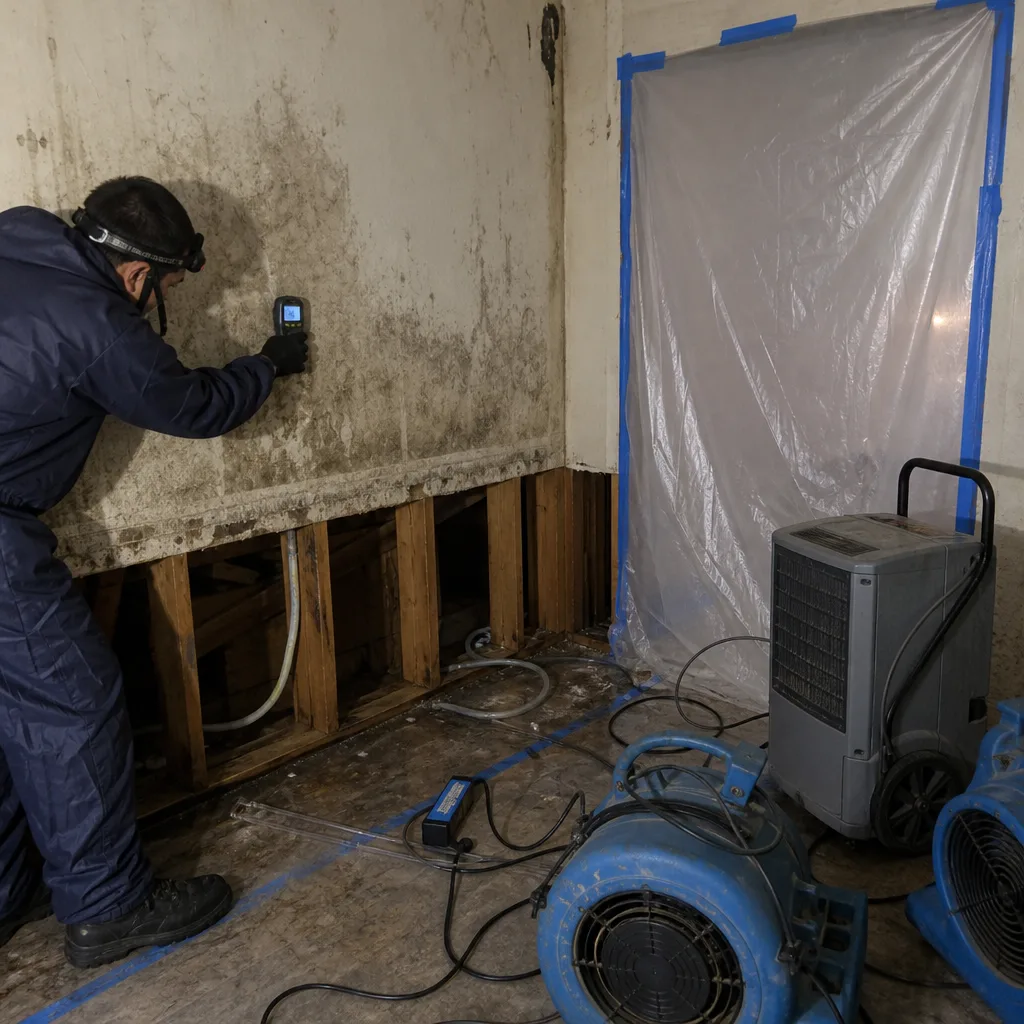
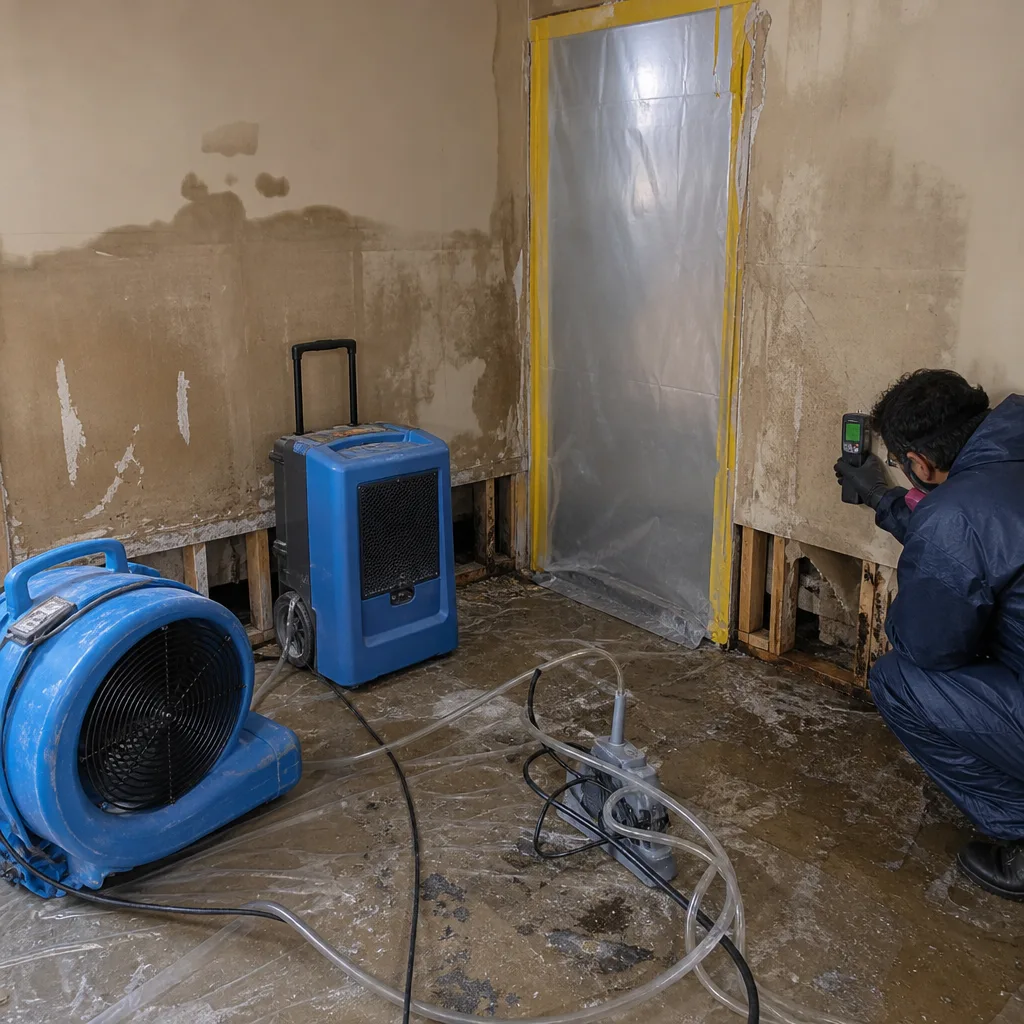
A Cypress water damage cleanup that skips moisture mapping is incomplete. Our technicians use penetrating and non-penetrating moisture meters, thermal imaging, and relative humidity readings to mark the true affected boundary before cutting anything. In attached units, the mapping extends through the shared wall assembly and into the neighbor’s cavity. This is the standard that keeps HOAs, adjusters, and neighbors from coming back with problems later.
Drying Logs and Documentation
Every Cypress cleanup includes daily moisture readings, equipment placement notes, and a drying plan that’s updated as conditions change. Documentation matters in this city because HOA boards and property managers often review restoration records after a shared-wall event. If you can’t show that both sides of the wall were dried to documented standards, you’re exposed to future claims and mold disputes. We dry what others miss, including inside walls and subfloors, with Injectidry cavity systems.
Trusted Brands We Service in Cypress
Cypress homeowners and property managers frequently call us about water damage tied to aging plumbing fixtures, water heaters, and appliances from brands common in 1960s-to-1980s construction. We service damage from Rheem, Bradford White, and AO Smith water heaters; copper supply lines from the original build era; and appliance failures from Whirlpool, Kenmore, and General Electric laundry equipment that still runs in many Cypress homes. Because we see these systems repeatedly in Cypress tract housing, our crews arrive prepared for the plumbing configurations and failure patterns typical of this city. We also work with property managers who need restoration documentation formatted for HOA review and insurance adjuster submission. One certified team from water extraction through final restoration.
See the difference
 Before
 After
 Before
 After
 Before
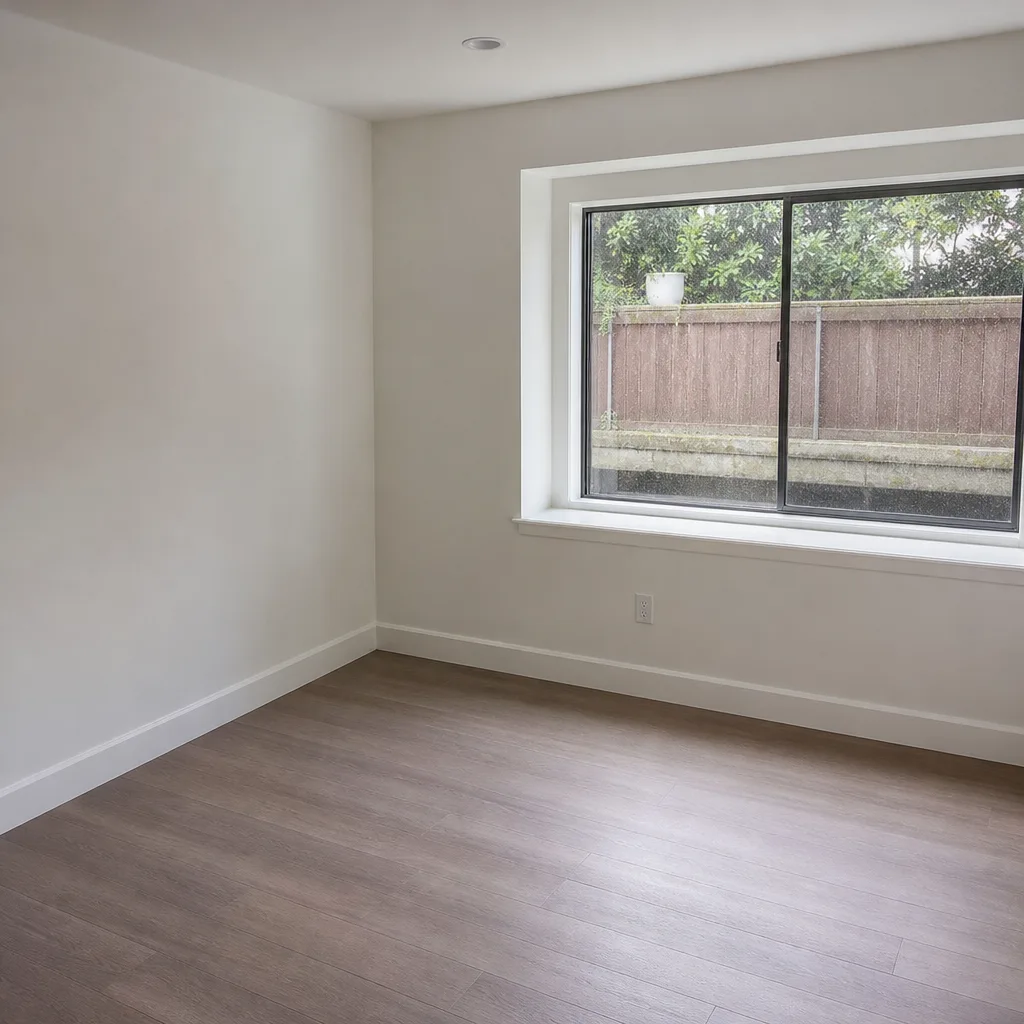 After
Common Water Damage Restoration Problems We See in Cypress Homes
- Pinhole leaks in aging copper supply lines. Cypress homes built in the 1960s through 1980s commonly have original copper plumbing that’s now prone to pinhole failures. These leaks can run for weeks behind walls or under slabs before anyone notices, which means the restoration scope is often larger than the visible damage suggests.
- Shared-wall moisture migration in attached condos and townhomes. A supply-line leak in one Cypress unit routinely wets the party wall and the neighbor’s ceiling. We document and dry both sides of the wall and coordinate with the HOA before cutting drywall, which prevents disputes and hidden mold in the adjacent unit.
- Slab foundation moisture hiding under flooring. Cypress’s slab-on-grade construction means water from a leak or flood often travels under the floor assembly. Dry-season leaks especially can stay invisible until the flooring buckles or a musty odor develops. We test for slab moisture even when the surface looks dry.
- HOA requirements slowing down emergency response. In Cypress’s HOA-governed communities, cutting into a shared wall without board approval can trigger fines and delays even when the leak is actively spreading. Our documentation comes formatted for HOA review, and we know how to sequence approvals so drying starts without a compliance problem.
Pricing for Water Damage Restoration in Cypress, CA
Here are the ranges we quote most often for Cypress work:
- Emergency water extraction and containment: $450 – $1,200
- Structural drying with dehumidifiers and air movers (3 – 5 days): $1,200 – $3,500
- Full water damage cleanup with drywall and baseboard removal: $1,800 – $4,500
- Slab foundation drying with Injectidry cavity systems: $2,000 – $6,000
- Flood damage restoration with flooring replacement: $2,500 – $6,500
What moves the number is not the water category alone. It’s the affected square footage, whether shared walls are involved, how long the water sat before discovery, and what flooring and finishes need replacement. A Cypress homeowner with a contained kitchen leak might pay under $2,000. A Cypress Village townhome owner with a soaked party wall and the neighbor’s ceiling involved is looking at the higher end of the range. Call (833) 620-3891 for a free estimate. We document what we found, what we recommend, and what it costs before work starts. No one on our crew is going to invent a reason to rip out drywall that a drying log says can be saved.
We Also Serve Cities Near Cypress
Our restoration crews work throughout northwest Orange County and into the neighboring communities. Beyond Cypress, we serve La Palma, Stanton, Buena Park, and Garden Grove, giving us familiarity with the housing stock, HOA patterns, and plumbing failure modes across this cluster of cities. If your property sits close to the Cypress border or you manage units across multiple nearby municipalities, we can coordinate restoration across all of them with the same documentation standards.
Serving Cypress, CA — Our Local Coverage Area
We’re based in the Cypress area and know this community well. Use the map below to see our service coverage — if you’re nearby, we can almost certainly help.
FAQs About Water Damage Restoration in Cypress
Mold can begin colonizing on wet drywall, carpet pad, or wood within 24 to 48 hours in Cypress’s mild climate, especially during humid coastal-influenced periods. That’s why we prioritize same-day extraction and start structural drying as soon as containment is set. If the leak has been running for days or weeks inside a shared wall, the mold question is not how fast it could grow but how long it already has been growing. Call (833) 620-3891 and we can tell you after moisture mapping whether mold remediation needs to be part of the scope.
Stop the water source if you can, photograph everything, and contact your HOA and your insurance company. Before any drywall is cut in a shared wall, the HOA usually needs to know the scope and who is paying. Our crews handle this by documenting the moisture readings on both sides of the party wall, setting containment to prevent cross-contamination, and drying the cavity with Injectidry so demolition is minimized. The Cypress pattern we see most often is a pinhole leak in one unit’s supply line that goes unnoticed until the neighbor’s ceiling stains. Document first, cut second.
For the restoration work itself, drying, extraction, and drywall removal, the City of Cypress does not require a permit. Permits come into play if the repair scope goes beyond restoration into structural or plumbing work, such as rerouting supply lines or replacing load-bearing framing. In HOA-governed attached communities, the HOA may have its own approval process before any wall is opened, and that process is separate from city permits. We can advise on what’s restoration versus what needs a licensed trade pull, but we don’t invent permit work that isn’t there.
We use a combination of surface extraction, dehumidification, and targeted cavity drying. When water has traveled under flooring or into the slab assembly, we deploy Injectidry panels that pull moisture out from under the flooring and subfloor, often saving the floor from unnecessary tear-out. In Cypress slab-on-grade homes, the dry-season leak is the trickiest because the surface looks dry while the slab holds moisture. Our moisture mapping reads the slab itself, not just the room air.
Category 1 is clean water from a supply line or faucet, Category 2 is contaminated water from sources like washing machine discharge or sump overflow, and Category 3 is grossly contaminated water from sewage backups, storm flooding, or long-standing Category 2 water that has supported bacterial growth. The category tells us what can be dried and what must be removed and replaced. A Cypress homeowner with a Category 1 pinhole leak has a very different scope from a Category 3 sewer backup in a slab bathroom. We classify every job according to IICRC S500 before we recommend a drying plan or a demolition scope.
Written by Noel Carbajal, Owner at Renew Water Damage, serving Cypress and surrounding Orange County communities with IICRC-certified restoration since 2018.