
 Water damage drying
 Fire & smoke cleanup
 Mold remediation
 Storm response
 Sewage cleanup
 Reconstruction
Free visual inspection and a written scope of work before any mitigation begins - photos, moisture readings, and drying logs go in your claim file
The scope we write is the scope we bill. Anything new gets shown to you, in writing, before we touch it.
Get your free estimateFast, Reliable Water Damage Restoration Across Brea
Water damage restoration in Brea typically costs $2,800 – $7,500 depending on the size of the affected area and whether structural drying or demolition is required. Most Brea jobs can be started the same day you call, and our Water Damage Restoration team handles everything from emergency extraction to final drywall and trim. If a pipe just burst in your 1960s tract home off Lambert Road or a water heater failed in a Carbon Canyon hillside house, call (833) 620-3891 and we’ll walk you through the first steps while a crew heads your way. We serve all of Brea, including the 92821, 92822, and 92823 ZIP codes.
Why Renew Water Damage Is Brea’s Preferred Water Damage Restoration Company
Brea homeowners keep our number because we show up with IICRC-certified technicians and commercial drying equipment, not a pickup truck full of rented fans. Our crews know this city’s housing stock: the mid-century tract homes south of Imperial Highway, the newer master-planned neighborhoods east of the 57, and the hillside properties along Carbon Canyon Road. Each area has different water intrusion patterns, and we adjust our drying plans accordingly.
Led by Noel Carbajal, our team holds IICRC certification and maintains memberships in the RIA and IFA, which means our drying protocols follow documented industry standards, not guesswork. When water from a slab leak in an older Brea home wicks under vinyl flooring, the difference between a certified and uncertified crew can be $10,000 in unnecessary demolition. We’ve built our Brea reputation on catching those hidden issues before they spread.
Restoration work we handle
Water Damage Cleanup in Brea
Water Damage Cleanup in Brea means more than pulling standing water. It means knowing that Brea’s older neighborhoods off Brea Boulevard and Birch Street have original cast-iron and galvanized drain lines that fail slowly, soaking subfloors for weeks before anyone notices. It means checking moisture levels under tile and vinyl, not just on the surface, because water in Brea’s wood-frame stucco homes travels downward and outward from the point of failure, often wicking into wall cavities behind baseboards. A typical cleanup job here, including extraction, antimicrobial treatment, and drying, runs $1,800 – $4,200 depending on how far the water migrated. That’s not a guess. It’s based on what we see routinely in Brea’s housing stock.
Slab Leak Detection and Cleanup
Slab leaks are a recurring issue in Brea’s 1950s and 60s tract homes, many of which still have their original copper or early galvanized supply lines. We use non-invasive moisture mapping to trace the path of water beneath flooring before making any cuts. You’d be surprised how often a “small wet spot” in a hallway is actually water that’s traveled 15 feet under the slab and is now soaking the toe plates of interior walls.
HVAC and Ductwater Intrusion
When water gets into a duct system through a ceiling leak or overflow, the problem spreads through the entire house faster than most people realize. In Brea, we see this frequently during the Santa Ana wind season when roof issues let rain in above attic-mounted HVAC units. Our cleanup process includes duct inspection and drying to prevent musty air from circulating long after the visible water is gone.
Emergency Water Damage Restoration in Brea
Emergency Water Damage Restoration in Brea is what you need when a washing machine supply line lets go at 2 a.m. in a Brea Hills home or a water heater empties its tank into a garage and adjoining family room. These are not jobs that can wait for a Monday morning callback. Emergency extraction, containment, and drying setup in Brea typically runs $2,200 – $6,800 depending on the volume of water, the number of affected rooms, and whether baseboards and drywall need to be cut to dry the cavities behind them.
Emergency Water Extraction
For any standing water event, the first 24 hours determine the scope of the rest of the job. Our crews arrive with truck-mounted extraction units and sub-surface vacuum mats that pull water from carpet, pad, and even from beneath tile and wood flooring seams. Once the bulk water is gone, moisture mapping tells us where the hidden pockets are. That’s where most unprepared crews get it wrong, especially in Brea homes with split-level floors and step-down slabs.
Overnight Drying Setup
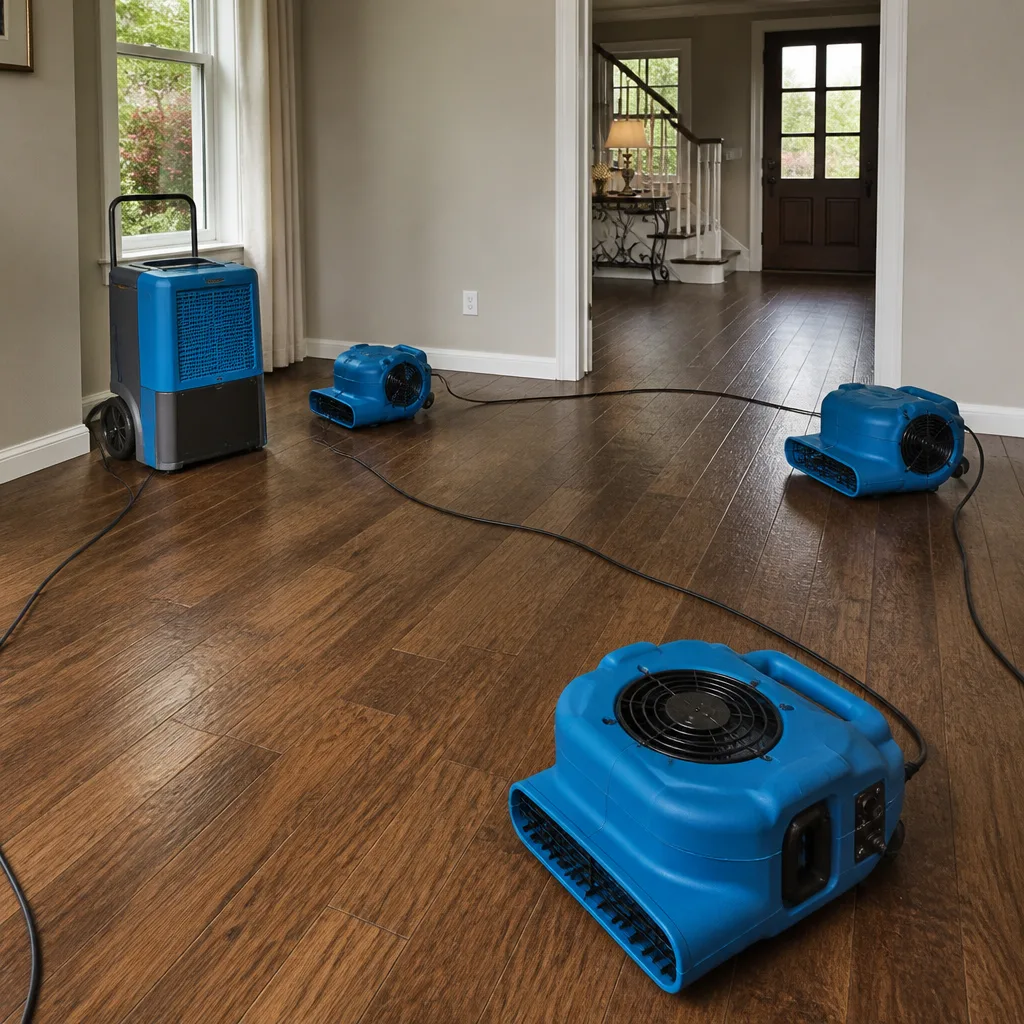
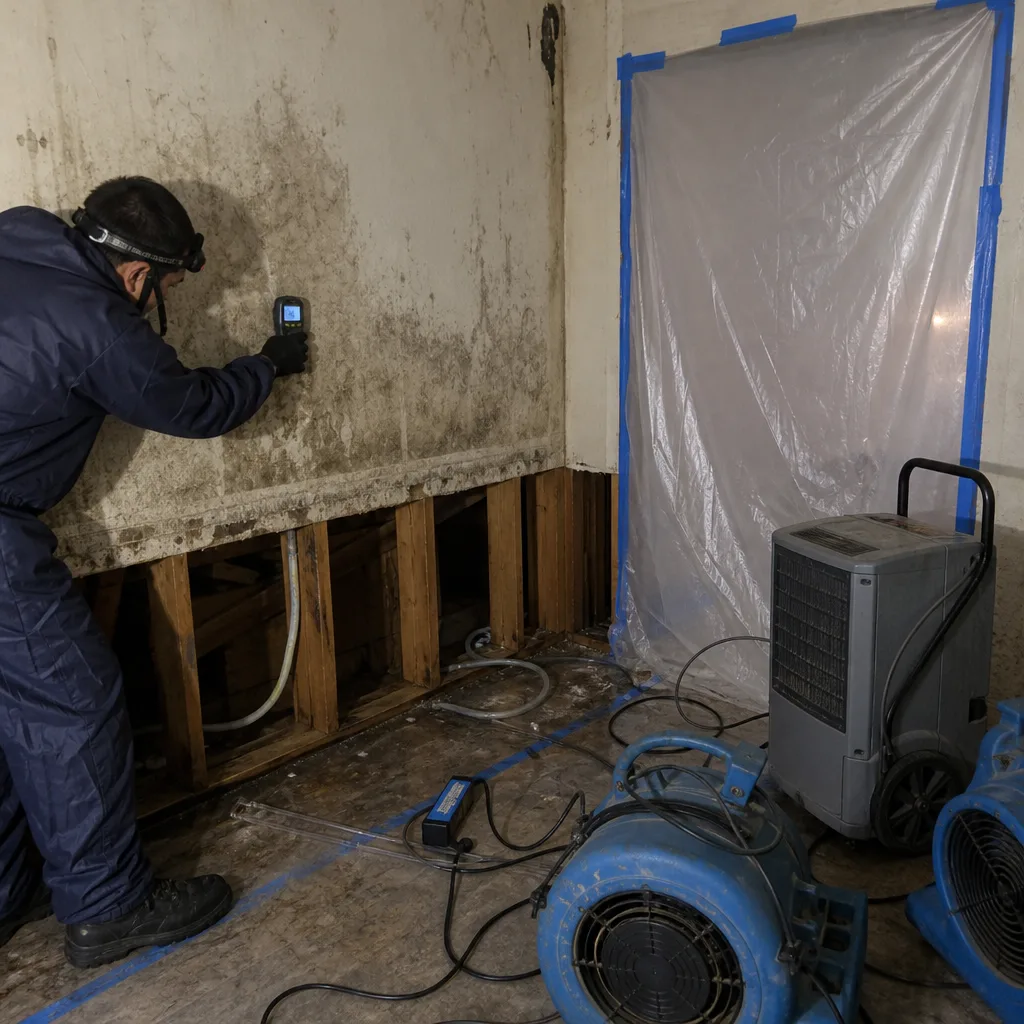
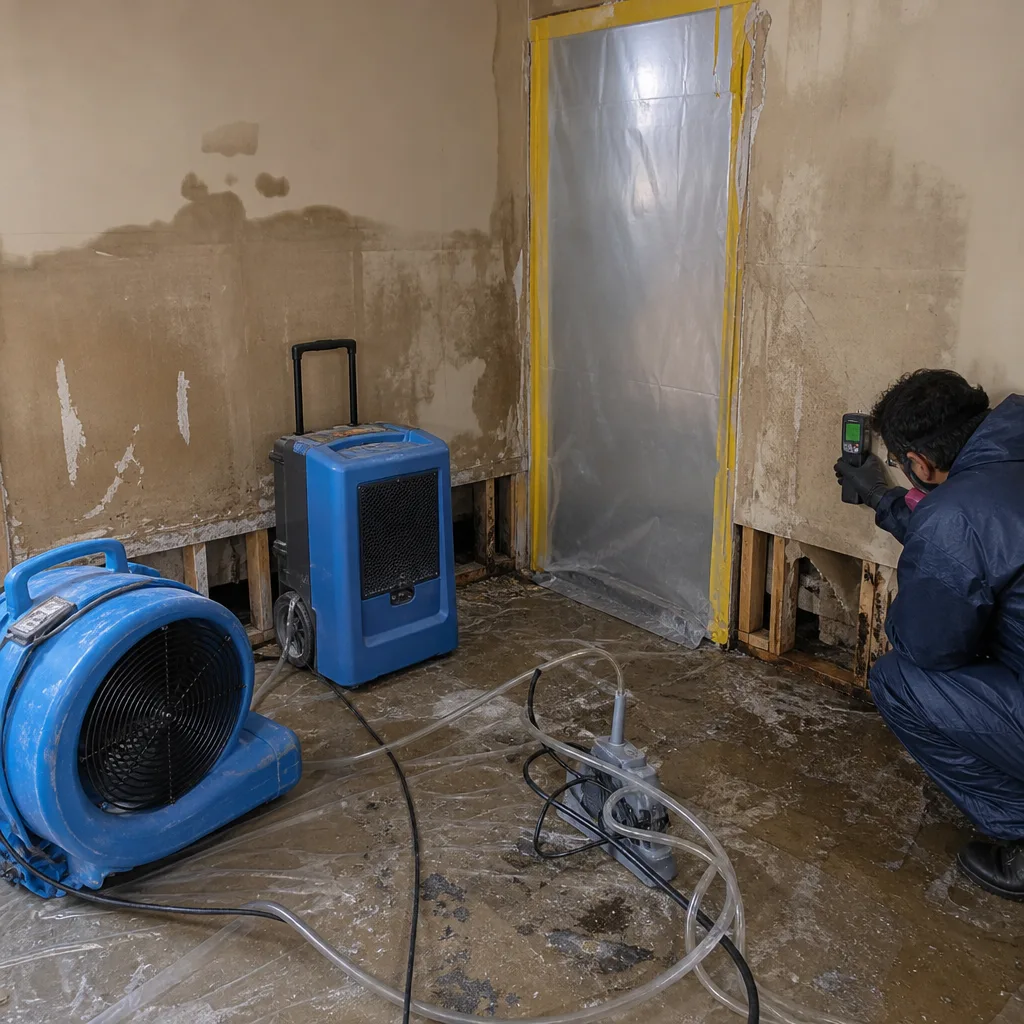
If the water event happens in the evening, the most important thing we do is get containment and drying equipment running before we leave. The goal isn’t just to move air; it’s to create the right vapor pressure differential so moisture leaves walls and subfloors rather than sinking deeper. We run Dri-Eaz and Phoenix dehumidifiers with XPOWER and B-Air air movers configured to the specific room geometry, not a generic fan pattern. For Brea homeowners, getting this right the first night usually means avoiding a full cabinet and drywall tear-out later.
Trusted Brands We Service in Brea
We work on all major fixture and appliance brands found in Brea homes, including Rheem, Bradford White, AO Smith water heaters, and Moen, Delta, and Kohler plumbing fixtures. For mid-century homes, we also deal with legacy American Standard and Crane valves and gate valves that have been in service since the Eisenhower administration. Because we know Brea’s housing stock, our crews keep common fittings and connectors for older copper and galvanized systems on hand, which means we’re not waiting for a specialty supply house when your main shutoff valve gives out. That’s the difference between a crew that works in Brea every week and one that’s driving in from somewhere else.
Common Water Damage Restoration Problems We See in Brea Homes
- Original galvanized and early copper supply lines: Homes built in the 1950s and 60s throughout Brea’s older downtown and south neighborhoods still carry original plumbing that’s now 60+ years old. Pinhole leaks in these lines often soak subfloors for weeks before staining shows on ceilings or baseboards.
- Water wicking under vinyl and tile flooring: Because many Brea tract homes were built on concrete slabs, water from a supply line failure travels beneath flooring materials rather than soaking visibly through. Surface-only moisture readings miss this, which is why we map the full affected area before we call a job “dry.”
- Santa Ana wind debris against roof vents and drainage: Each fall, Santa Ana winds push pine needles, leaves, and fine debris against roof drains and gutter downspouts in Brea’s hillside neighborhoods near Carbon Canyon. When the first heavy rain follows, clogged drainage sends water into soffits, attic spaces, and wall cavities.
- HVAC return contamination after wind-driven ash events: Ash and soot that settles into attic vents and HVAC returns during Santa Ana events gets recirculated when the furnace kicks on. If we’re drying a home that’s recently gone through a wind season, we check for ash contamination in the drying environment before setting up equipment, because running air movers through sooty ducts redistributes that debris across newly dried surfaces.
See the difference
 Before
 After
 Before
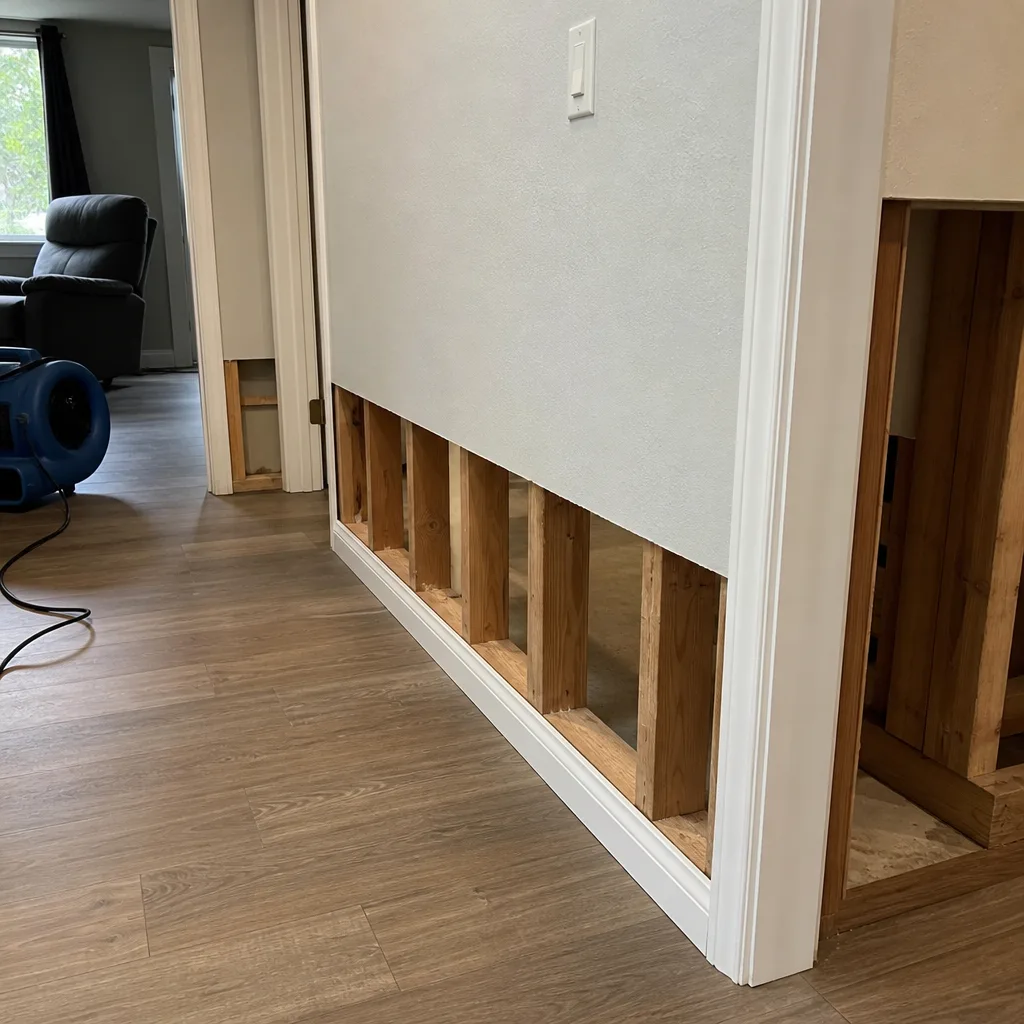 After
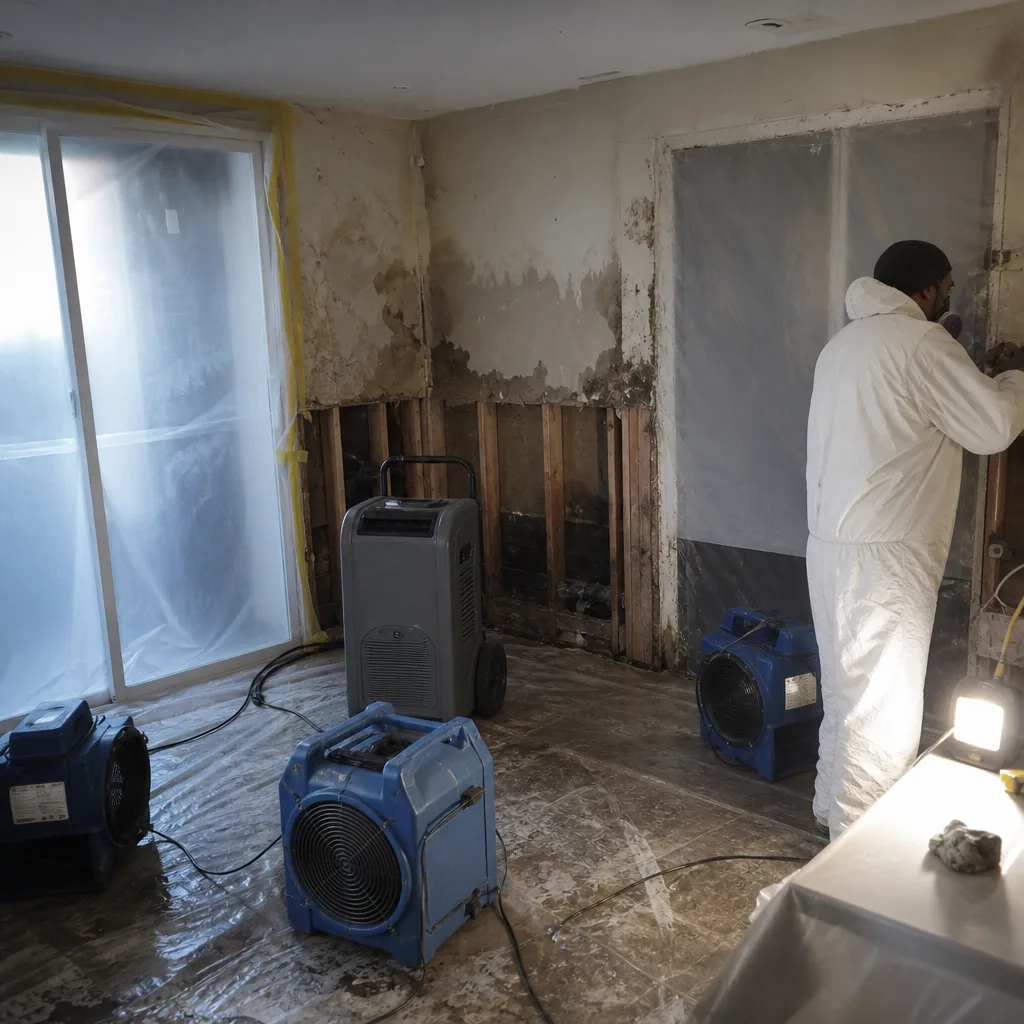 Before
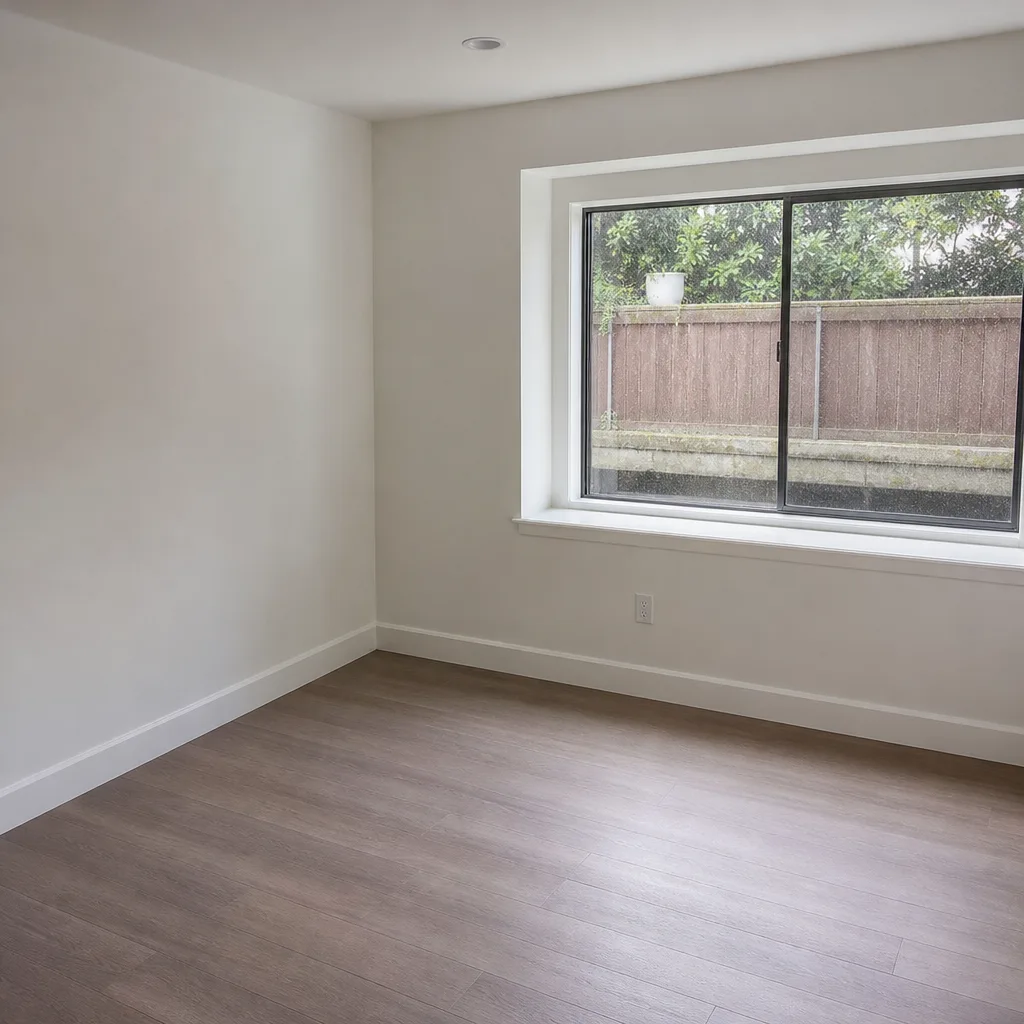 After
Pricing for Water Damage Restoration in Brea, CA
Here’s what we tell Brea homeowners straight: a small, contained leak under a sink that’s caught the same day might cost $800 – $1,500 to dry and treat. A slab leak or supply line break that’s soaked a hallway and adjoining rooms typically lands between $2,800 and $6,500 when you factor in extraction, containment, cavity drying, and material removal. A whole-house event from a burst washing machine or water heater tank that’s run overnight can reach $7,500 – $15,000 if multiple rooms, cabinetry, and flooring are involved. The biggest cost driver in Brea is the age of the piping and how far water traveled before it was discovered. Call (833) 620-3891 for a free estimate, and we’ll give you a written scope before we start cutting anything out.
We Also Serve Cities Near Brea
Our Brea location regularly dispatches crews to neighboring communities including Placentia, Fullerton, Yorba Linda, and La Habra. If you’re right on the city line, say north of the 90 or along the Brea / Placentia border, we can usually reach you just as quickly as our Brea dispatch area. Same certified team, same equipment, same written scope before work starts.
Serving Brea, CA — Our Local Coverage Area
We’re based in the Brea area and know this community well. Use the map below to see our service coverage — if you’re nearby, we can almost certainly help.
FAQs About Water Damage Restoration in Brea
Brea’s Santa Ana wind season creates a unique complication for drying work: fine ash, soot, and dust from dry brush along the Brea Hills and Carbon Canyon get pulled into attic vents and HVAC returns during gust events, then settle inside wall cavities and ductwork. When we arrive for a water loss, we check for this wind-driven contamination before setting up air movers, because running drying equipment through a sooty HVAC system recirculates that debris onto wet, newly exposed surfaces. If we find ash contamination, we seal and clean the affected ducts before drying begins. Call (833) 620-3891 if you suspect wind-season contamination in your Brea home.
If you have a slab leak in a 1950s or 60s Brea home, the first step is shutting off the main water valve, then calling for moisture mapping to trace how far water has traveled under the flooring. Don’t assume the visible wet spot is the extent of the problem; water from slab leaks migrates along rebar and control joints for 10 – 20 feet or more. We use non-invasive moisture sensors to map the full affected area before any flooring is removed. Once we know the scope, we dry the slab and affected subfloor, treat for potential mold growth, and coordinate plumbing repair. Call (833) 620-3891 and we’ll walk you through the first hour.
Yes, we regularly work in Brea’s hillside and canyon-adjacent neighborhoods, including homes along Carbon Canyon Road and in the Brea Hills. These properties present specific challenges: split-level layouts, stucco exterior walls over wood framing, and HVAC systems in attics that collect wind-blown debris. Our crews are experienced with water travel patterns in these homes, including the way water from a roof or plumbing failure moves downward through multiple floor levels. We bring commercial drying equipment that reaches wall and floor cavities without requiring full demolition. Call (833) 620-3891 for a hillside home assessment.
Category 3 water, also called black water, contains sewage, chemicals, or other contaminants that can cause serious illness if it contacts skin or is aerosolized during drying. In Brea, category 3 events most often come from backed-up sewer lines in older streets or from flooding that carries runoff from the Brea Hills. We follow IICRC S500 standards for category 3 water losses, which means we remove and dispose of contaminated porous materials, treat affected framing with antimicrobials, and use containment to prevent cross-contamination. This is not a DIY cleanup. Call (833) 620-3891 if you suspect black water is present.
Mold can begin growing on wet drywall within 24 to 48 hours, and Brea’s semi-arid climate doesn’t protect you from this: interior wall cavities retain moisture regardless of outdoor humidity. The clock starts when the water event begins, not when you discover it. That’s why we respond to Brea calls the same day and get drying equipment running the first night whenever possible. If you’ve had water sitting for more than 48 hours, treat it as a potential mold situation and call us at (833) 620-3891 for an assessment that checks both water and microbial risk.
Contact Renew Water Damage in Brea
If you’re dealing with water damage in Brea, from a slab leak under a 1960s hallway to a burst pipe in a Carbon Canyon home, call (833) 620-3891 now. We’ll give you a straight answer about what needs to happen, what it should cost, and when we can be there. Written scope before work starts, IICRC-certified crews, and drying equipment that actually removes moisture from walls and subfloors, not just the air. That’s how we work in Brea.
Written by Noel Carbajal, Owner at Renew Water Damage, serving Brea and Orange County since 2016.