 Water damage drying
 Fire & smoke cleanup
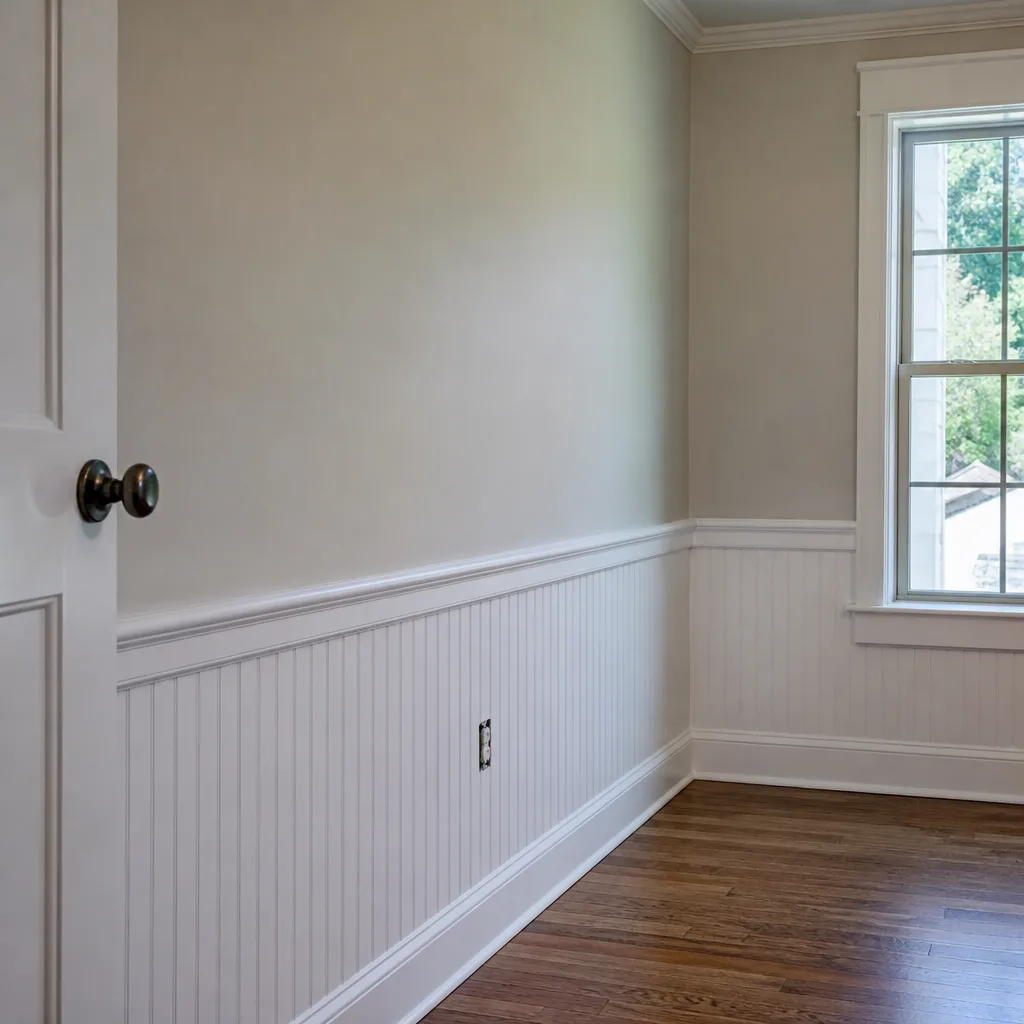 Mold remediation
 Storm response
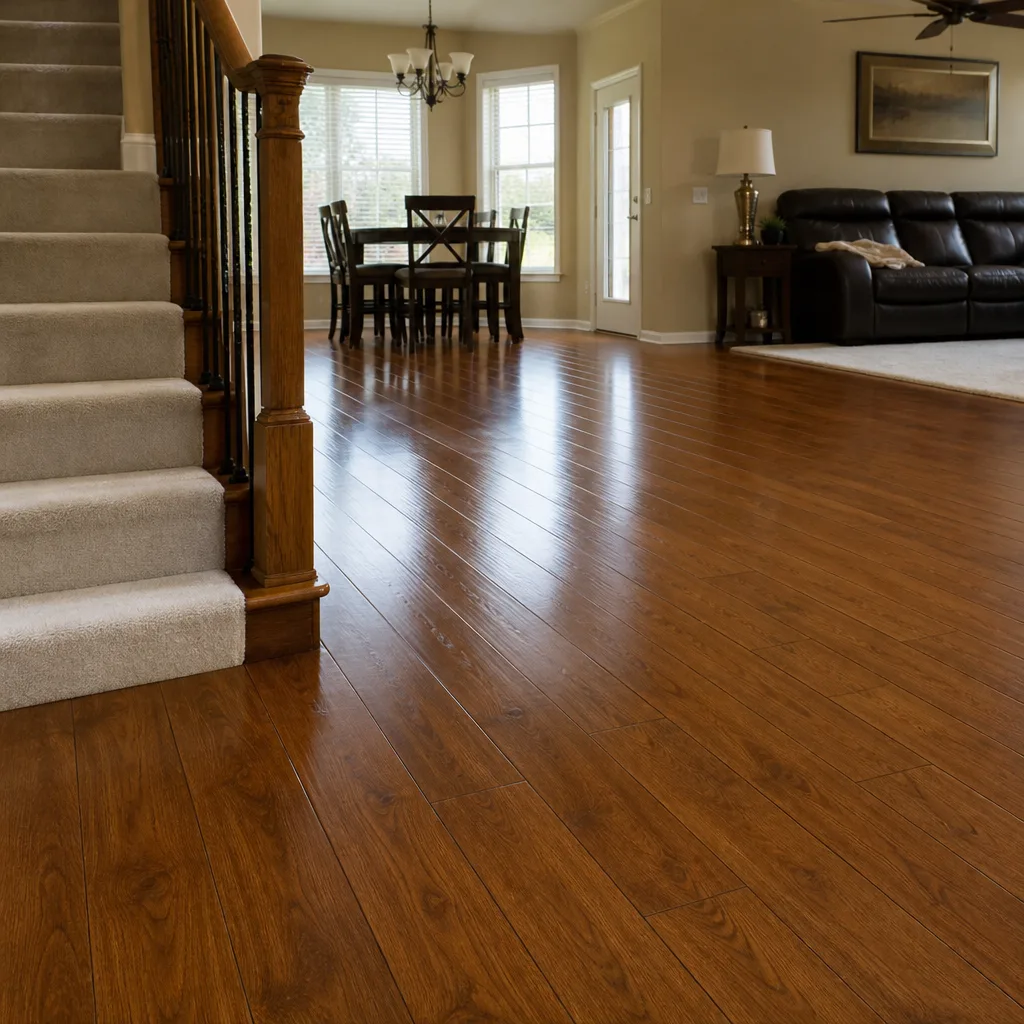 Sewage cleanup
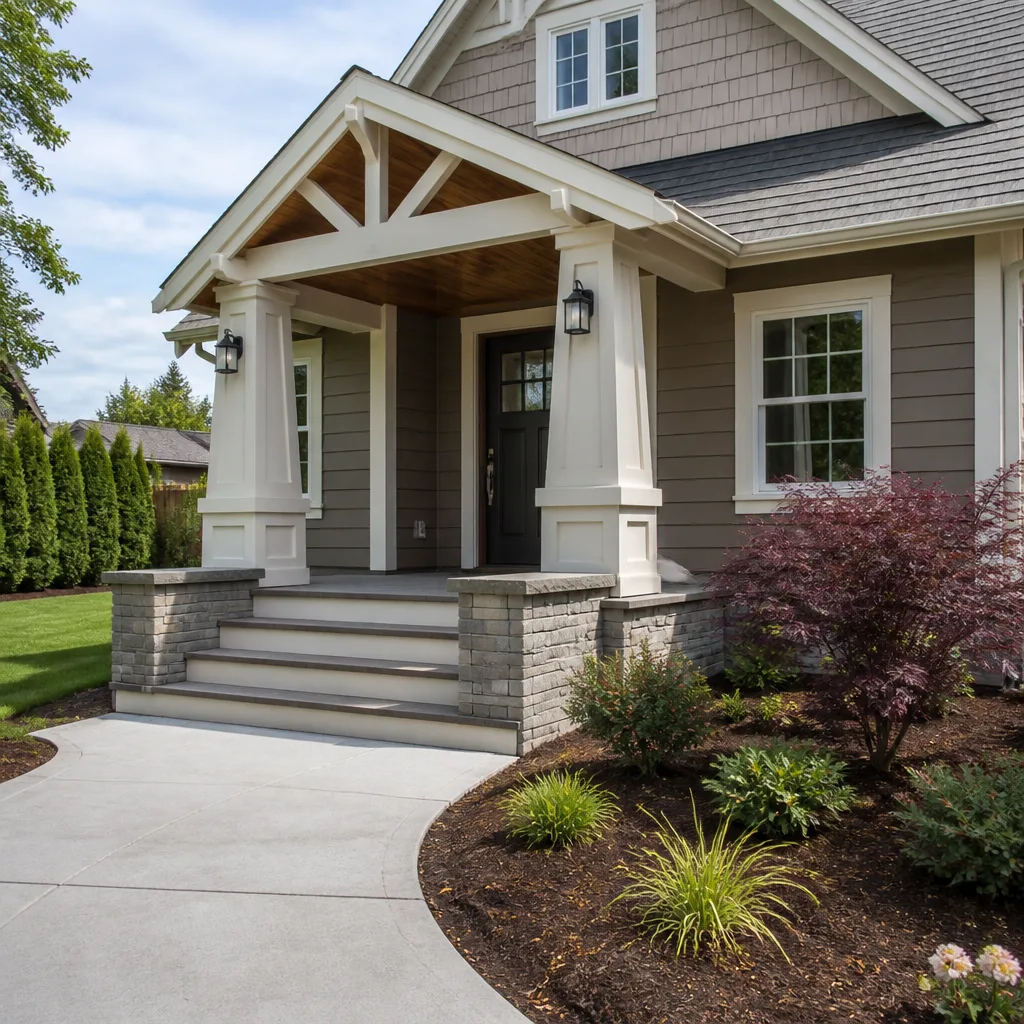 Reconstruction
Free visual inspection and a written scope of work before any mitigation begins - photos, moisture readings, and drying logs go in your claim file
The scope we write is the scope we bill. Anything new gets shown to you, in writing, before we touch it.
Get your free estimateFast, Reliable Water Damage Restoration Across Spring Valley Lake
Water damage in Spring Valley Lake usually moves fast, and so do we. Most jobs in the 92395 ZIP code get a crew on site within hours, not days, because every hour of standing water turns drywall into mush and feeds mold behind baseboards. Our Water Damage Restoration team knows the HOA rules, the lake-fed irrigation systems, and exactly where moisture hides in these slab-on-grade homes. If you’ve got water where it shouldn’t be, call (833) 620-3891 and we’ll start extraction today.
Why Renew Water Damage Is Spring Valley Lake’s Preferred Water Damage Restoration Company
This community is different from the rest of the High Desert. A house can show zero storm damage while its slab is saturated from a failed lake-fed irrigation line. That’s the kind of failure we look for first, because we’ve seen it enough times in Spring Valley Lake to expect it. Residents keep calling us back for the same reasons: IICRC-certified crews, commercial-grade Dri-Eaz and Phoenix drying equipment, and the fact that we handle the architectural review paperwork most contractors don’t know exists here.
Noel Carbajal leads every project with a simple standard: document the pre-loss condition, follow IICRC S500 drying protocols, and use HOA-approved materials for every patch, door, or stucco repair. That discipline saves homeowners from fines and stop-work orders. Our crews have dried lakefront properties near the marina, canal-front homes along the waterways, and interior lots up toward Mountain View Acres. The geography changes, the standard doesn’t.
Restoration work we handle
Water Mitigation in Spring Valley Lake
Water Mitigation in Spring Valley Lake means stopping active water intrusion, extracting what’s already inside, and getting the structure drying within hours. In this private lake community, mitigation often starts at an irrigation line or a retaining wall, not a roof. A typical mitigation job in Spring Valley Lake runs $1,800 to $4,500 depending on how far the moisture has traveled through the slab and walls.
What Mitigation Involves Here
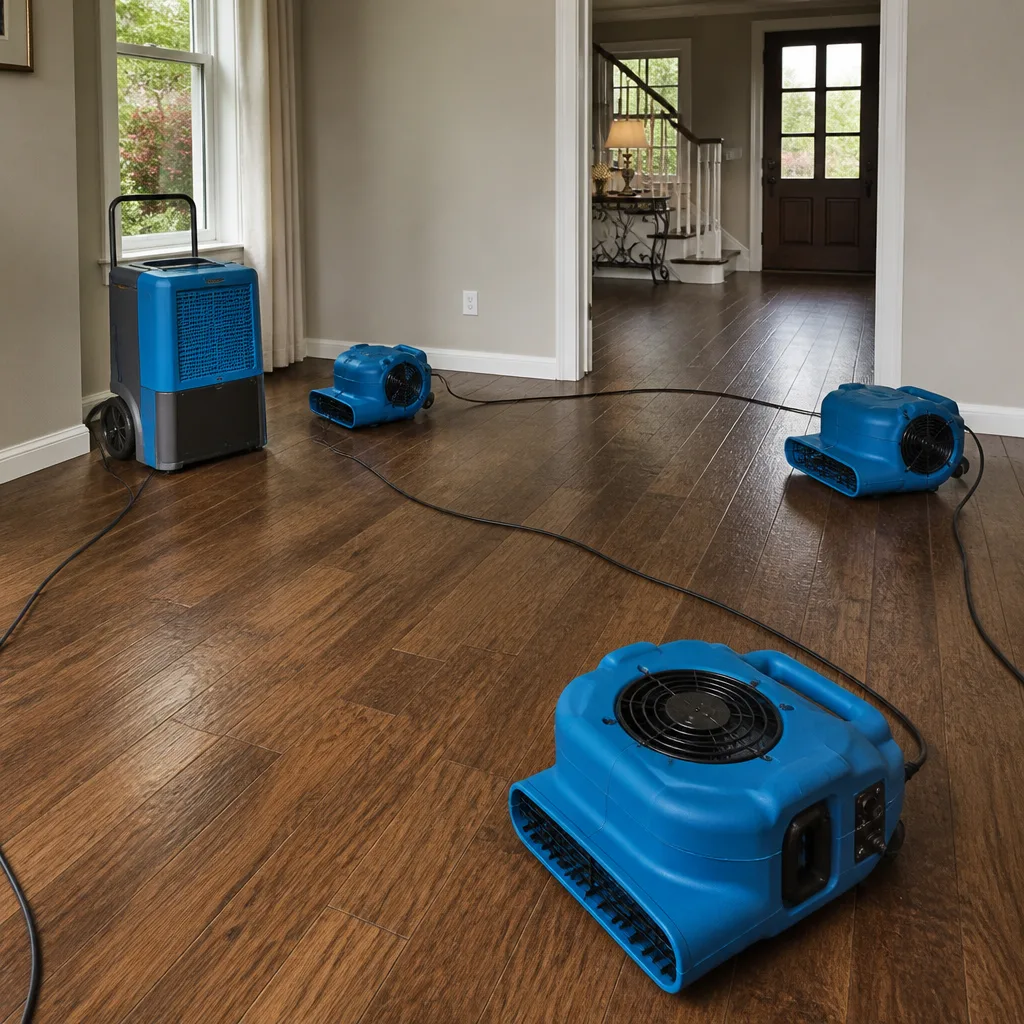
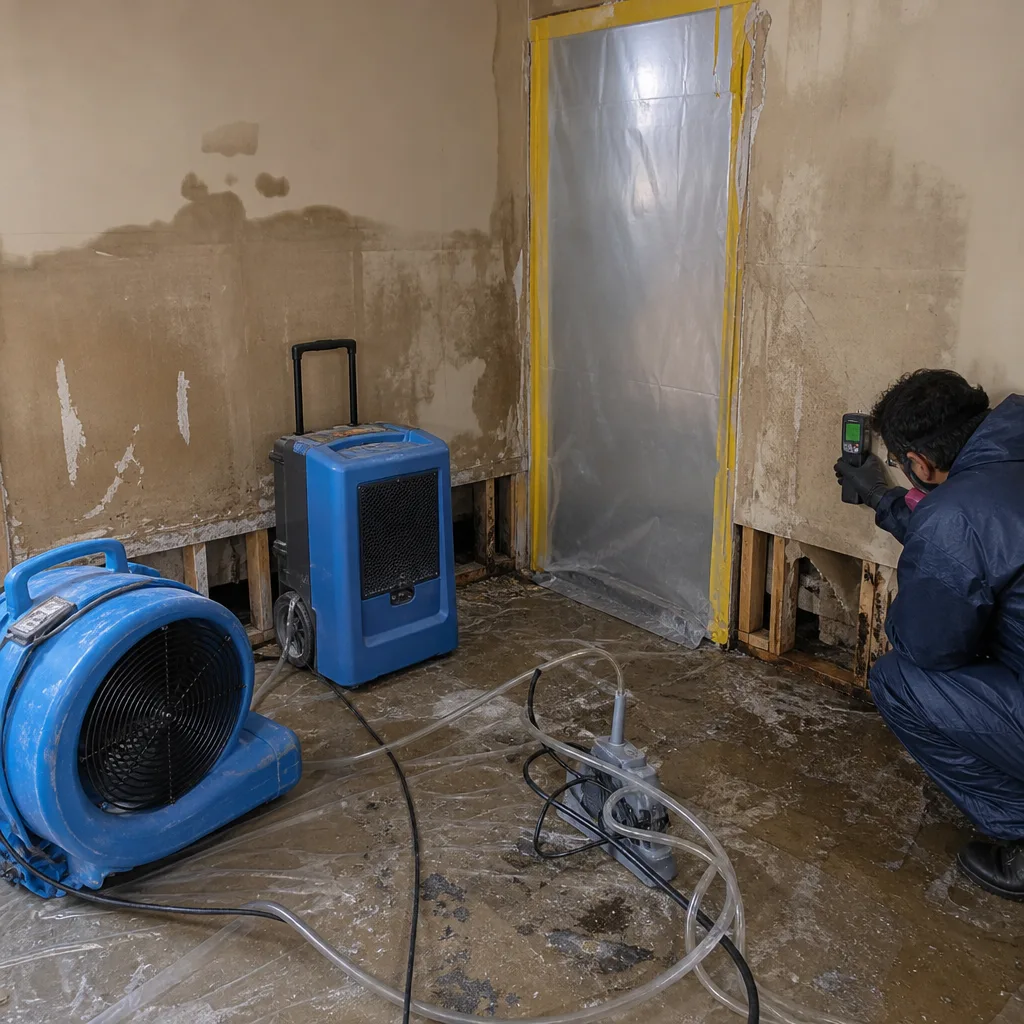
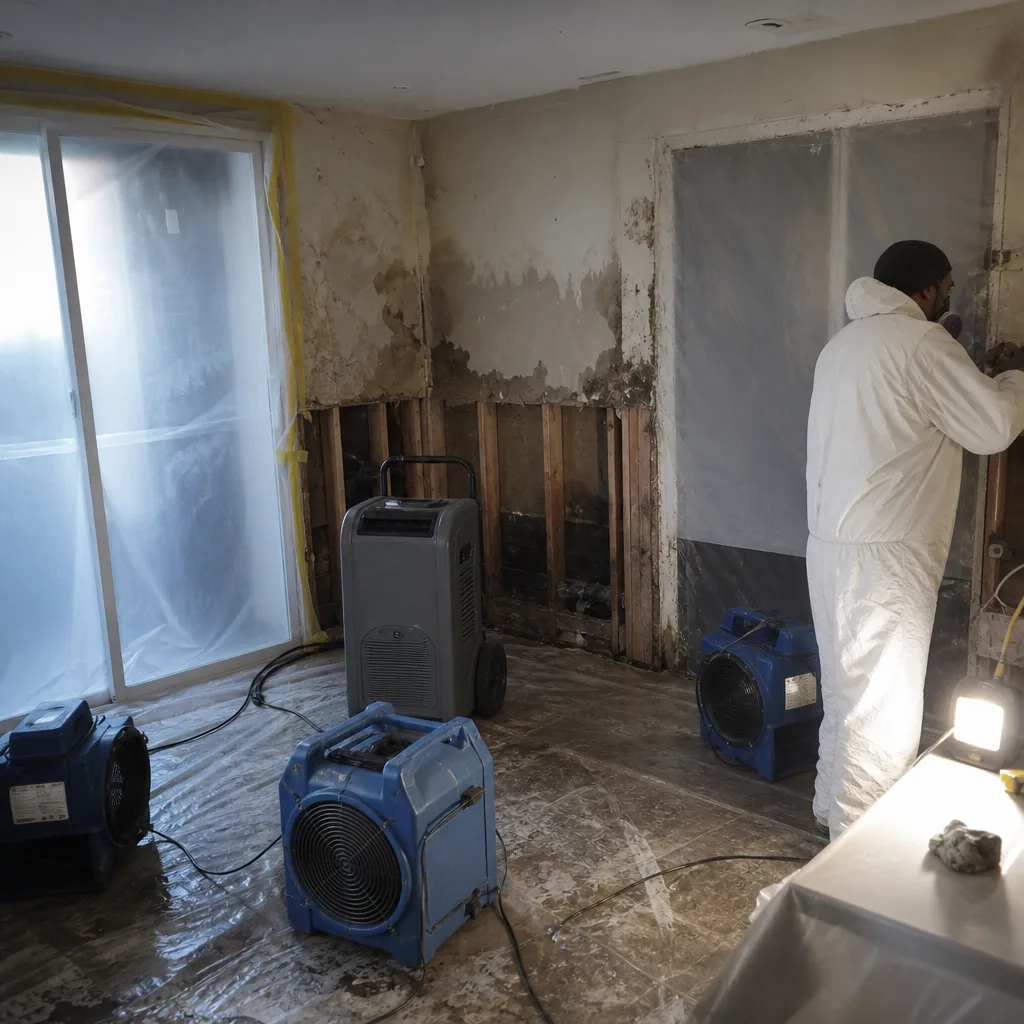
We extract standing water, set containment, and deploy air movers and dehumidifiers sized to the square footage and the moisture load. Because many Spring Valley Lake homes are slab-on-grade, we pay close attention to what’s happening under the flooring. Moisture wicks upward through concrete and into base plates without ever showing on the surface.
Injectidry for Hidden Cavities
When water gets behind stucco or under tile, standard drying equipment won’t reach it. Our Injectidry wall-cavity drying systems push controlled airflow through hidden spaces, pulling moisture out without tearing out drywall. That matters in Spring Valley Lake, where HOA architectural rules add cost and delay to every unnecessary demolition.
Flooded Basement in Spring Valley Lake
A Flooded Basement in Spring Valley Lake rarely comes from rain. It comes from lake water finding a path through a retaining wall, a failed sump, or a broken irrigation tie-in. Extraction and drying for a flooded basement here typically costs $2,800 to $6,500, and the sooner the water comes out, the less the final bill climbs.
Canal-Front and Lakeside Basements
Homes along the canals and near the lake have a unique failure mode: water pushes laterally through concrete. We use moisture meters and thermal imaging to map where the water actually traveled, because the visible puddle is rarely the whole story. A saturated foundation wall can feed mold into the framing for weeks before anyone notices a smell.
Drying Without Unnecessary Demolition
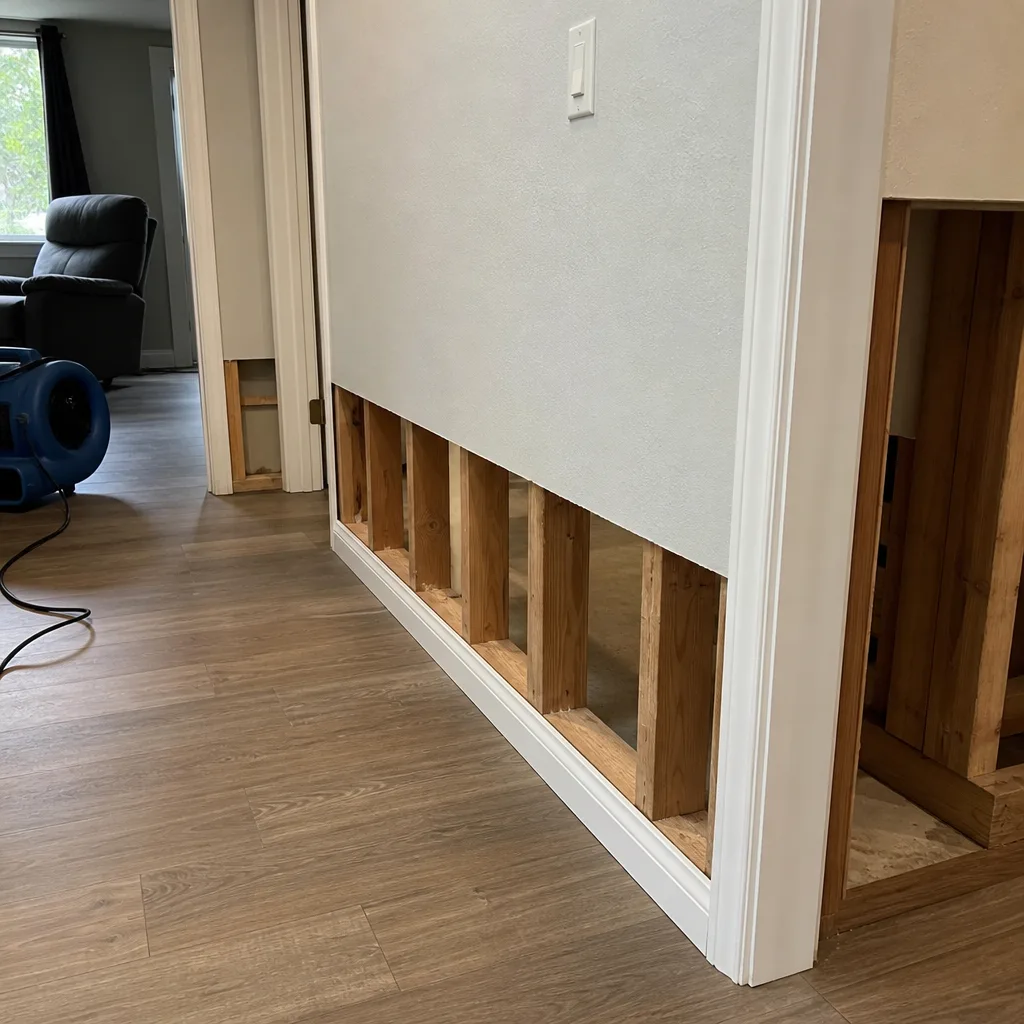
Where the structure allows, we dry basement cavities in place using Injectidry and commercial dehumidifiers. When drywall or baseboard has to go, we document everything for the HOA and use replacement materials that match community standards. You won’t get stuck with a patch that fails architectural review.
Trusted Brands We Service in Spring Valley Lake
We maintain and service Dri-Eaz and Phoenix drying equipment, the same systems we run on every Spring Valley Lake job. When a homeowner or property manager has a unit down and water already moving, we can often get replacement equipment staged the same day because we know this area’s housing stock and typical drying loads. Our membership in the RIA and IFA keeps us connected to current best practices and equipment standards, so the gear we deploy here isn’t what we used ten years ago. It’s what the IICRC S500 standard calls for now.
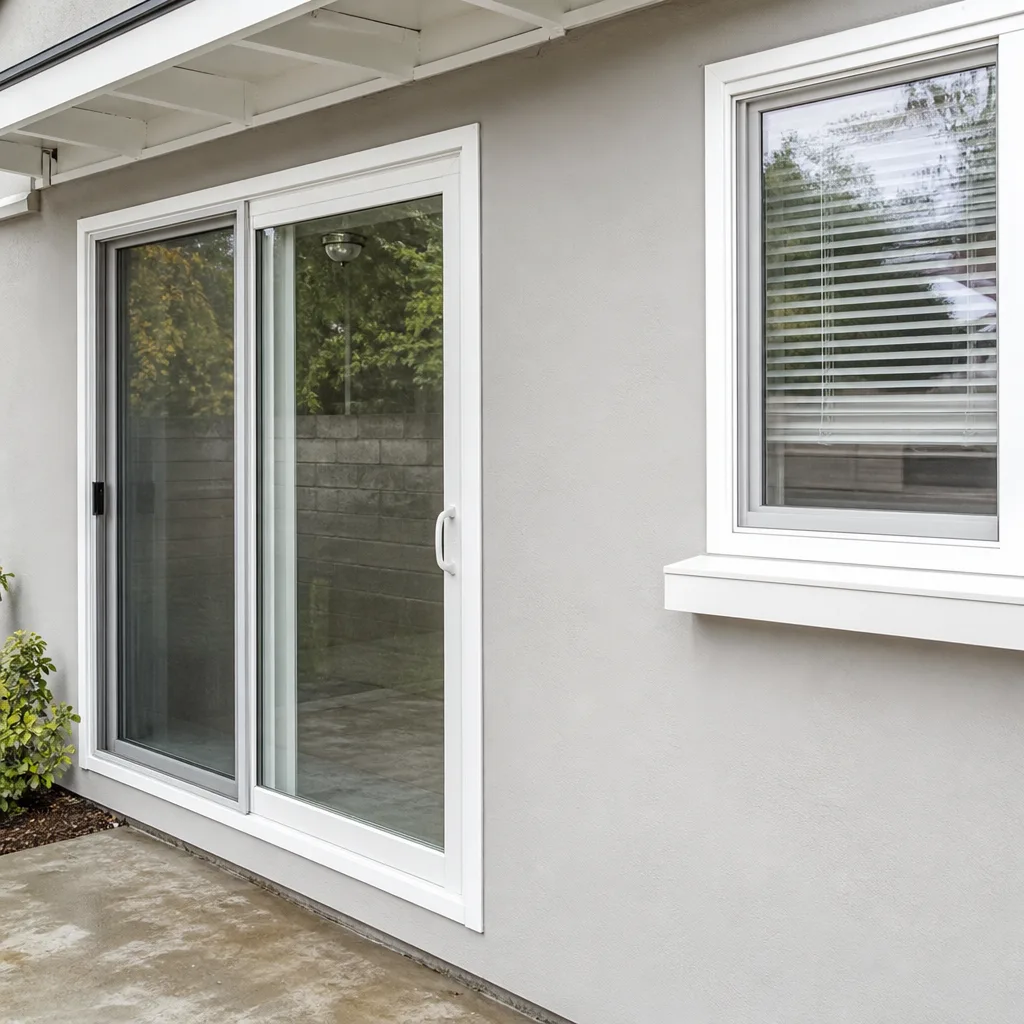
See the difference
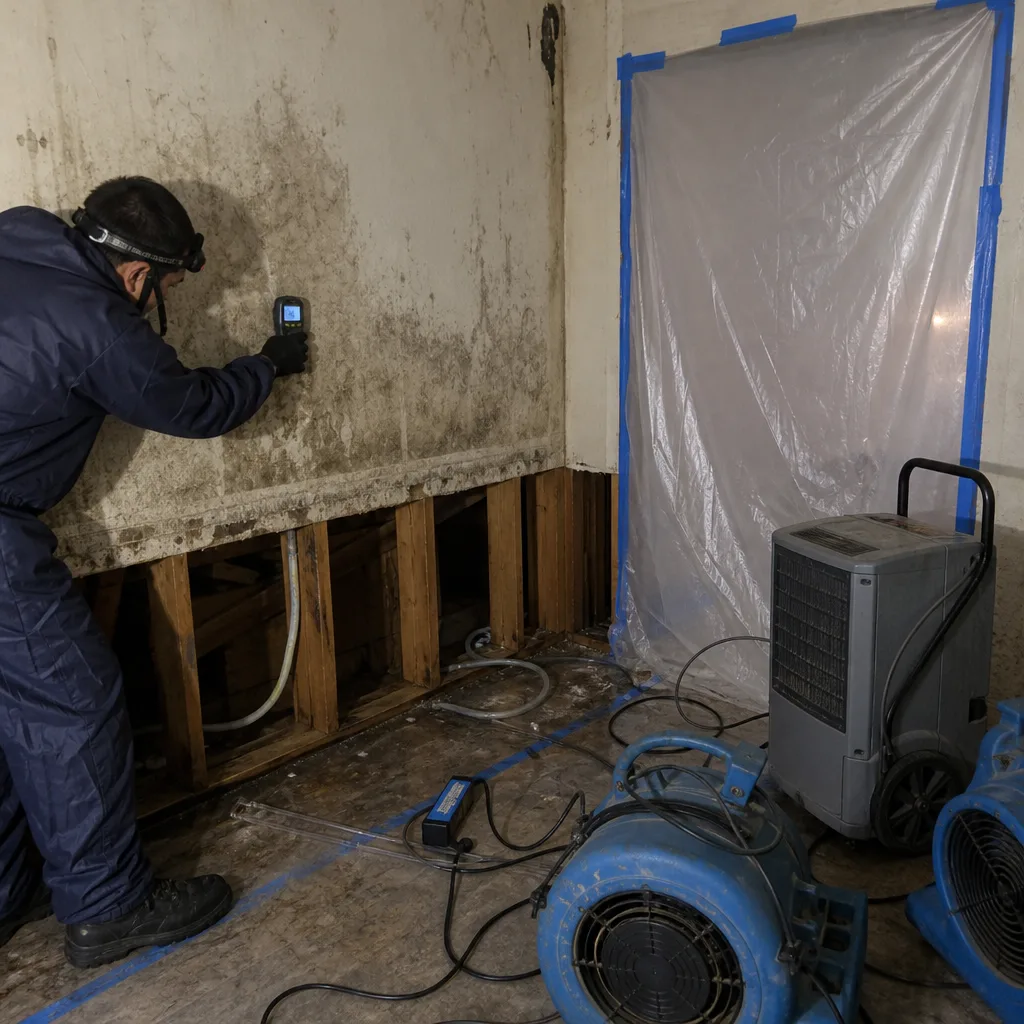 Before
 After
 Before
 After
 Before
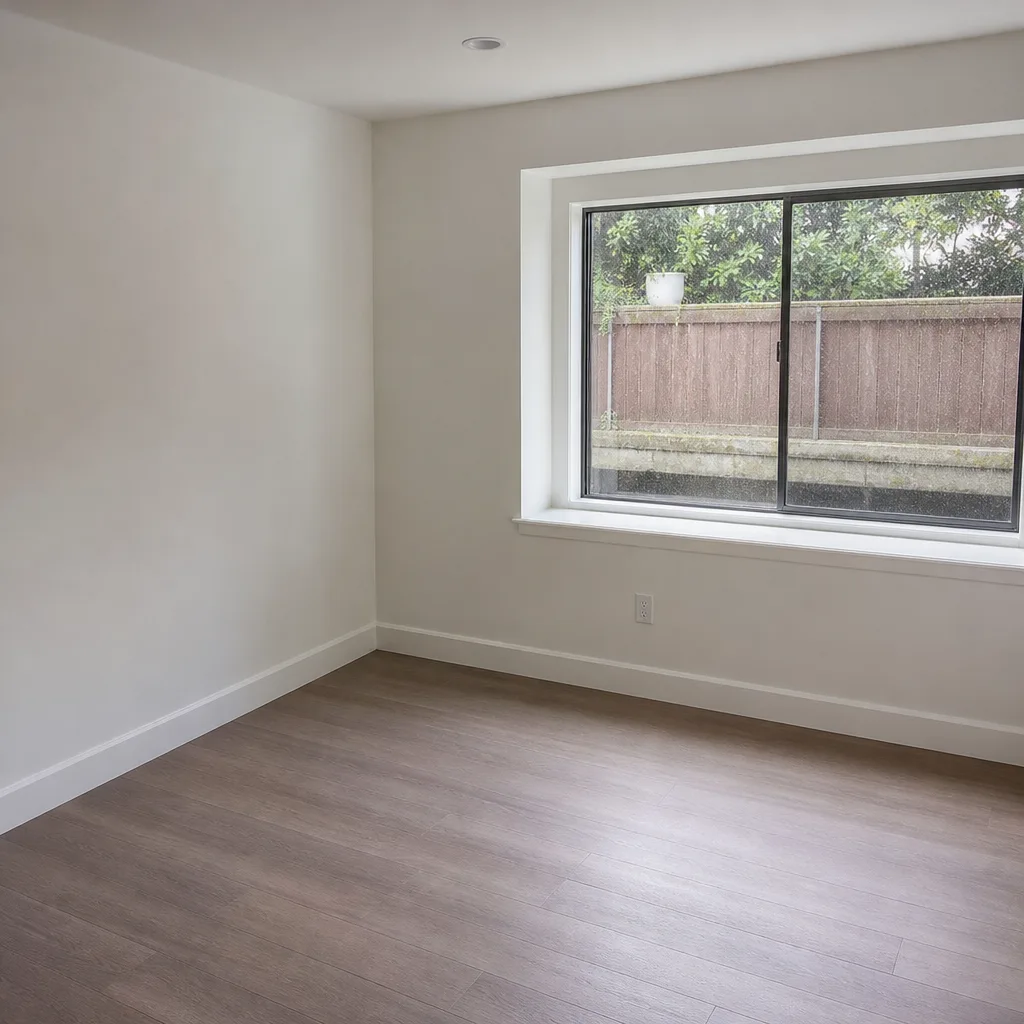 After
Common Water Damage Restoration Problems We See in Spring Valley Lake Homes
- Lake-fed irrigation leaks that hide in the desert. The surrounding ground is so dry that a slow irrigation leak can go unnoticed for months. By the time a homeowner sees staining, the slab and bottom plates are already saturated and mold is active inside the wall cavity.
- HOA architectural review issues on exterior repairs. Emergency crews unfamiliar with Spring Valley Lake will sometimes set up drying equipment, swap a door, or patch stucco without ARB approval. That triggers fines, stop-work orders, and rework at the homeowner’s expense. We submit the scope before the repair, not after.
- Freeze-thaw damage to roofs and stucco. Winter nights here drop below freezing, then days swing warm. That cycling cracks tile roofs and stucco over time. When a crack opens and water gets in, the damage often travels far from the visible entry point because the framing is bone dry and pulls moisture like a wick.
- Saturated retaining walls on waterfront lots. Properties on the lake side deal with lateral water pressure that interior lots never see. A failed retaining wall or dock tie-in can push water into a basement or crawlspace that has no drainage problem on paper. Thermal imaging usually finds the path before demolition starts.
Pricing for Water Damage Restoration in Spring Valley Lake, CA
Most water damage restoration jobs in Spring Valley Lake land between $1,800 and $6,500. Emergency water extraction on a single room typically runs $1,200 to $2,800. Structural drying with dehumidifiers and air movers adds $800 to $1,800 depending on the affected square footage. Flooded basement work on a canal-front home, including extraction, drying, and HOA-compliant repairs, ranges from $2,800 to $6,500. Mold remediation, when required, is a separate scope with its own pricing based on containment and testing needs. Every job starts with a free estimate and a documented moisture assessment, so you’ll see the numbers before any equipment gets unloaded. Call (833) 620-3891 for an exact figure.
We Also Serve Cities Near Spring Valley Lake
Our crews regularly work in Spring Valley Lake and the surrounding High Desert communities, including Mountain View Acres, Victorville, Apple Valley, and Hesperia. If your property is within a short drive of Bear Valley Road or Ridgecrest, we can typically reach you the same day you call.
Serving Spring Valley Lake, CA — Our Local Coverage Area
We’re based in the Spring Valley Lake area and know this community well. Use the map below to see our service coverage — if you’re nearby, we can almost certainly help.
FAQs About Water Damage Restoration in Spring Valley Lake
Yes, Spring Valley Lake’s HOA architectural rules often require ARB approval before any exterior repair, even emergency water mitigation. Our team documents pre-loss conditions and submits the scope of work to the architectural review board before replacing materials, so you’re not stuck with fines or rework. Call (833) 620-3891 and we’ll handle the paperwork alongside the drying.
Mold can begin colonizing within 24 to 48 hours of water intrusion, and the warm summer temperatures in Spring Valley Lake accelerate that timeline. The low humidity outside doesn’t help, because inside wall cavities the moisture stays trapped and warm. Drying needs to start immediately, not after the weekend.
Category 1 is clean water from a supply line or irrigation pipe. Category 2 contains significant contamination, like water that has passed through building materials or soil. Category 3 is grossly contaminated water from sewage, lake intrusion, or flood runoff. Spring Valley Lake homeowners should treat lake-fed water as potentially Category 2 or 3, especially after storms push runoff through the lake basin.
In many cases, yes. We use Injectidry cavity drying systems to dry basement walls and framing in place, which avoids unnecessary demolition and keeps your project within HOA compliance. If materials are saturated beyond recovery, we replace them with approved products and document everything for the architectural review board.
We stage equipment to minimize noise near bedrooms and property lines, and we use variable-speed air movers that run quieter than the commercial units most contractors leave running at full blast. The drying timeline still holds, but we’re respectful of the fact that Spring Valley Lake is a residential community, not a construction site. If noise ever becomes a problem, call (833) 620-3891 and we’ll adjust the setup.
Written by Noel Carbajal, Owner at Renew Water Damage, serving Spring Valley Lake since 2018.