 Water damage drying
 Fire & smoke cleanup
 Mold remediation
 Storm response
 Sewage cleanup
 Reconstruction
Free visual inspection and a written scope of work before any mitigation begins - photos, moisture readings, and drying logs go in your claim file
The scope we write is the scope we bill. Anything new gets shown to you, in writing, before we touch it.
Get your free estimateFast, Reliable Water Damage Restoration Across Phelan
Water damage in Phelan moves differently than it does down the hill. A well-tank rupture at 3 a.m. doesn’t wait for business hours, and monsoon sheet flow across unpaved desert roads doesn’t care about your weekend plans. Our Water Damage Restoration crews respond to Phelan properties with commercial-grade extraction and drying equipment, and we know exactly what high-desert construction does when water gets where it shouldn’t. If you’re standing in water or watching a stain spread across your ceiling, call (833) 620-3891 right now. We’ll walk you through the first steps and get a certified team dispatched to your property.
Why Renew Water Damage Is Phelan’s Preferred Water Damage Restoration Company
Phelan isn’t Victorville. It isn’t Hesperia. The housing stock, the water systems, the construction methods, the failure modes – they’re different up here at 3,000 feet, and a restoration company that treats this town like just another high-desert zip code will miss things that matter. We don’t. Noel Carbajal built Renew Water Damage around IICRC-certified protocols and documented drying science, and our crews have worked enough Phelan losses to know what a private well system does when a pressure tank fails, how water migrates under slab edges on sandy desert soil, and why non-permitted additions complicate insurance scopes. Our customers in Phelan tell us the same thing: we show up fast, we explain what we’re doing, and we don’t leave until moisture readings prove the structure is dry. Not surface-dry. Dry in the wall cavities, under the flooring, behind the baseboards. That’s the difference between a crew that dries a house and a crew that just makes it look dry.
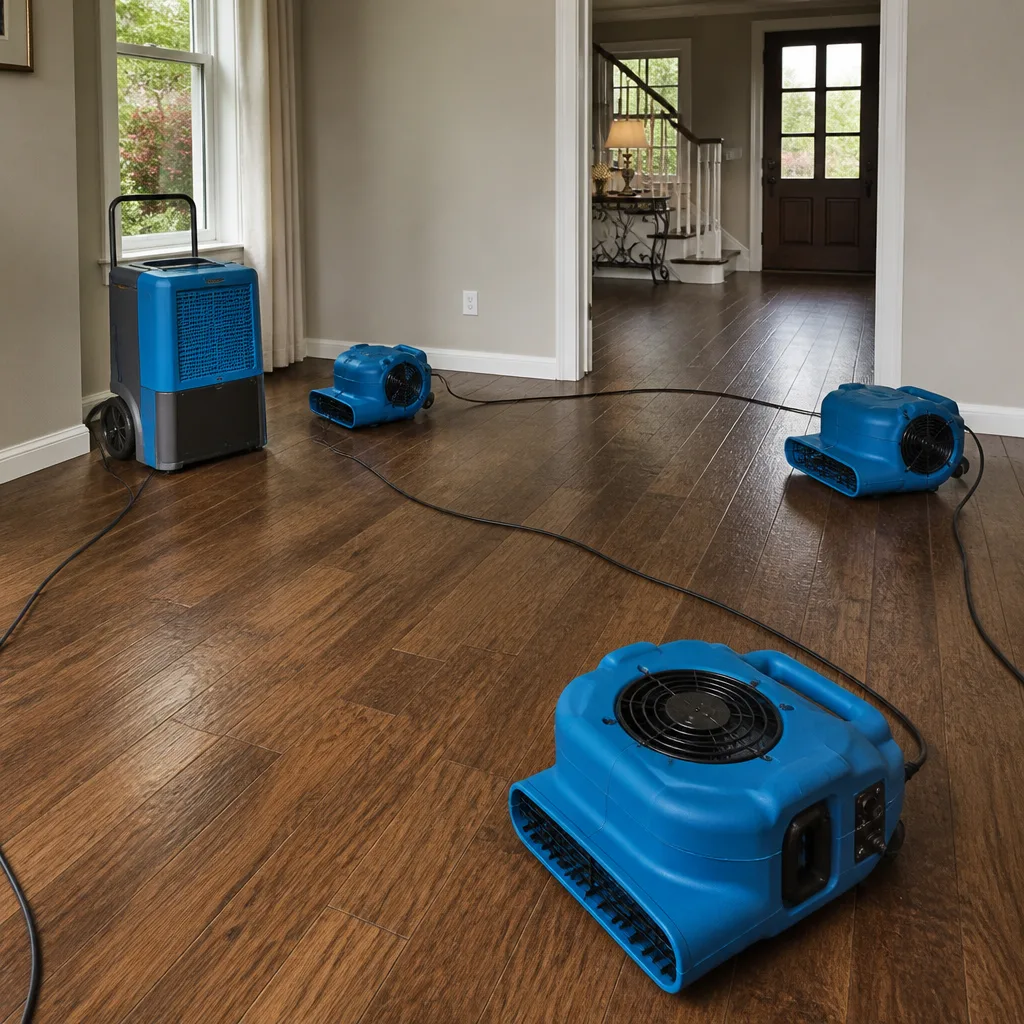
We’re members of both the RIA and IFA, which means we answer to industry standards that go beyond a single certification exam. And our equipment reflects that. We run Dri-Eaz and Phoenix dehumidifiers, XPOWER air movers, and Injectidry wall-cavity drying systems – the same gear you’d find on a commercial loss, deployed on a Phelan ranch house. We dry what other crews miss.
Restoration work we handle
Emergency Water Removal in Phelan
Emergency Water Removal in Phelan usually starts with a well-system failure, a burst pipe, or monsoon storm water pushing under a slab edge – and it requires immediate extraction before water wicks into drywall, insulation, and subfloor. The goal in the first hours is simple: remove standing water, map the migration, and stop the loss from spreading into unaffected rooms. In Phelan, a typical emergency extraction runs $500 to $1,800 depending on the square footage affected and how far water has traveled.
Extraction and Containment
We start with truck-mounted or portable extraction units to pull standing water from floors, carpet, and hard surfaces. Then we set up containment barriers so moisture doesn’t migrate into dry zones while we work. In Phelan homes with wells, we always check the well house and pressure tank area – a running pump can keep feeding water into the structure long after the visible spill is removed.
Moisture Mapping Before Drying Begins
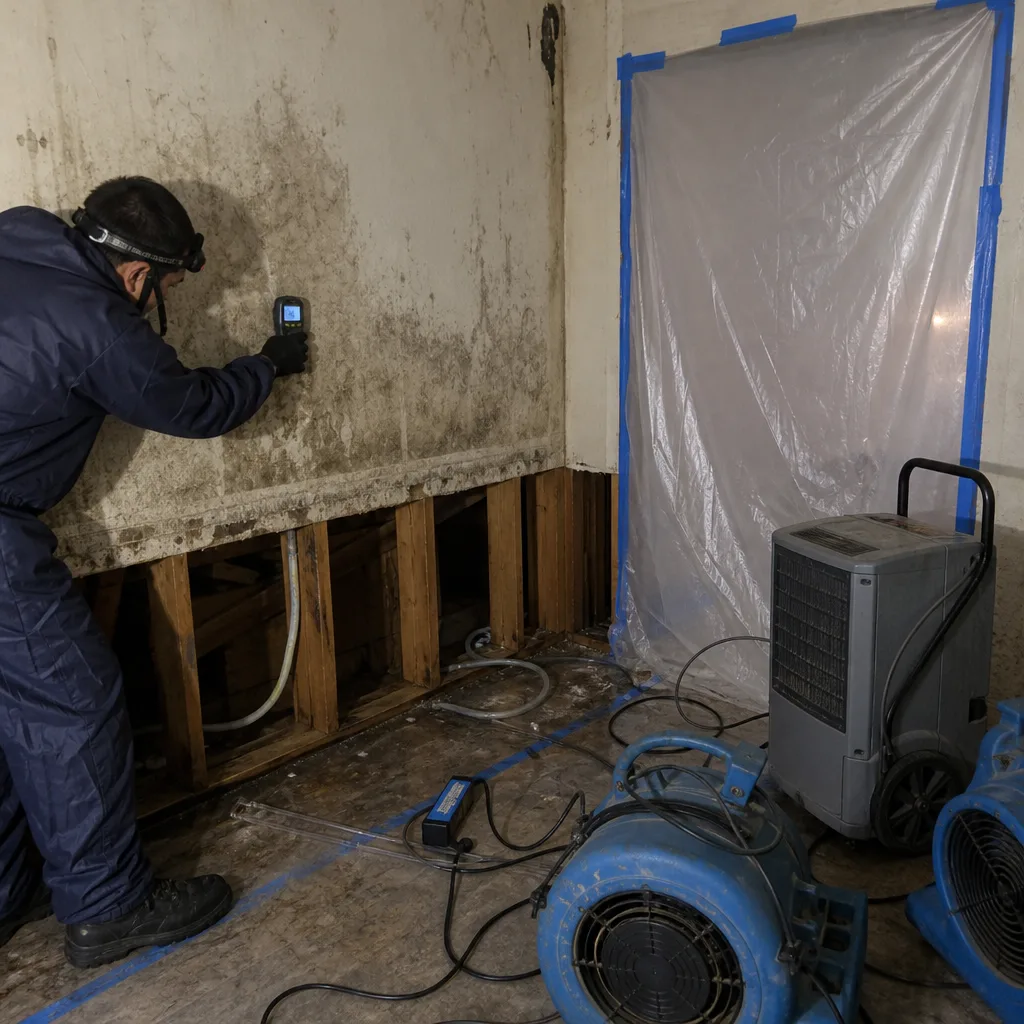
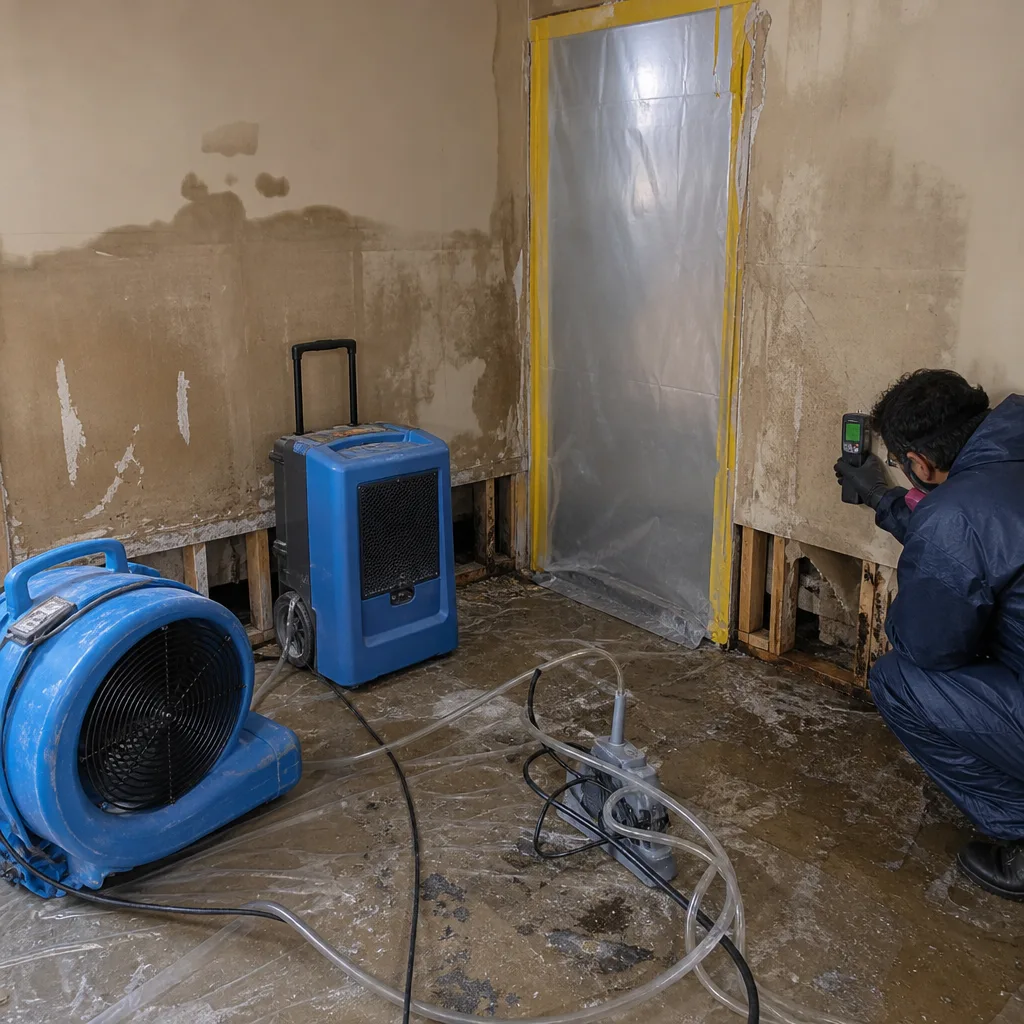
Before any drying equipment goes in, we document moisture levels with thermal imaging and penetrating meters. This matters in Phelan because high-desert air is so dry that surface materials can feel dry while wall cavities and subfloor layers are still saturated. We map the full extent of migration, mark it, and build the drying plan from that data – not from guesswork.
Flood Damage Restoration in Phelan
Flood Damage Restoration in Phelan typically follows one of two events: a well-system failure that dumps hundreds of gallons into a home overnight, or monsoon-driven sheet flow that finds its way under door thresholds and slab edges during summer storms. Both create Category 2 or 3 water conditions that require more than just extraction – they need antimicrobial treatment, structural drying, and often content pack-out. A full flood restoration scope in Phelan commonly runs $3,500 to $12,000 depending on how far water traveled and what materials absorbed it.
Category 2 and 3 Water Handling
When a well-pressure tank ruptures, the water involved is rarely clean Category 1. It’s been sitting in a metal tank, often warm, frequently carrying iron and sediment. That’s Category 2 at minimum – water with significant contamination. We treat these losses with antimicrobial agents and follow IICRC S500 protocols for contaminated water, including proper disposal and surface disinfection before drying begins.
Structural Drying in the High Desert
Drying a Phelan home isn’t the same as drying a coastal property. Single-digit humidity means surface evaporation happens fast, which can fool crews into pulling equipment too early. We keep dehumidifiers and air movers running until penetrating moisture meters show the wall cavities, subfloor, and framing are below acceptable thresholds. We also use Injectidry systems to dry inside wall cavities without tearing out drywall, which saves Phelan homeowners from unnecessary demolition and rebuild costs.
Trusted Brands We Service and Use in Phelan
Our crews run Dri-Eaz and Phoenix dehumidifiers because they hold their performance in low-humidity, high-temperature conditions – exactly what Phelan gets from June through September. XPOWER air movers handle the kind of fine desert dust that rides in with wind-driven water intrusion, and Injectidry panels let us dry inside walls and under flooring without ripping everything apart. For Phelan homeowners, that combination means faster dry times, less demolition, and a restoration company that can actually explain which piece of equipment is doing what and why. We don’t bring rental-store gear to a 3,000-foot desert home and hope for the best. We bring the same commercial arsenal we’d deploy on a multi-unit commercial loss.
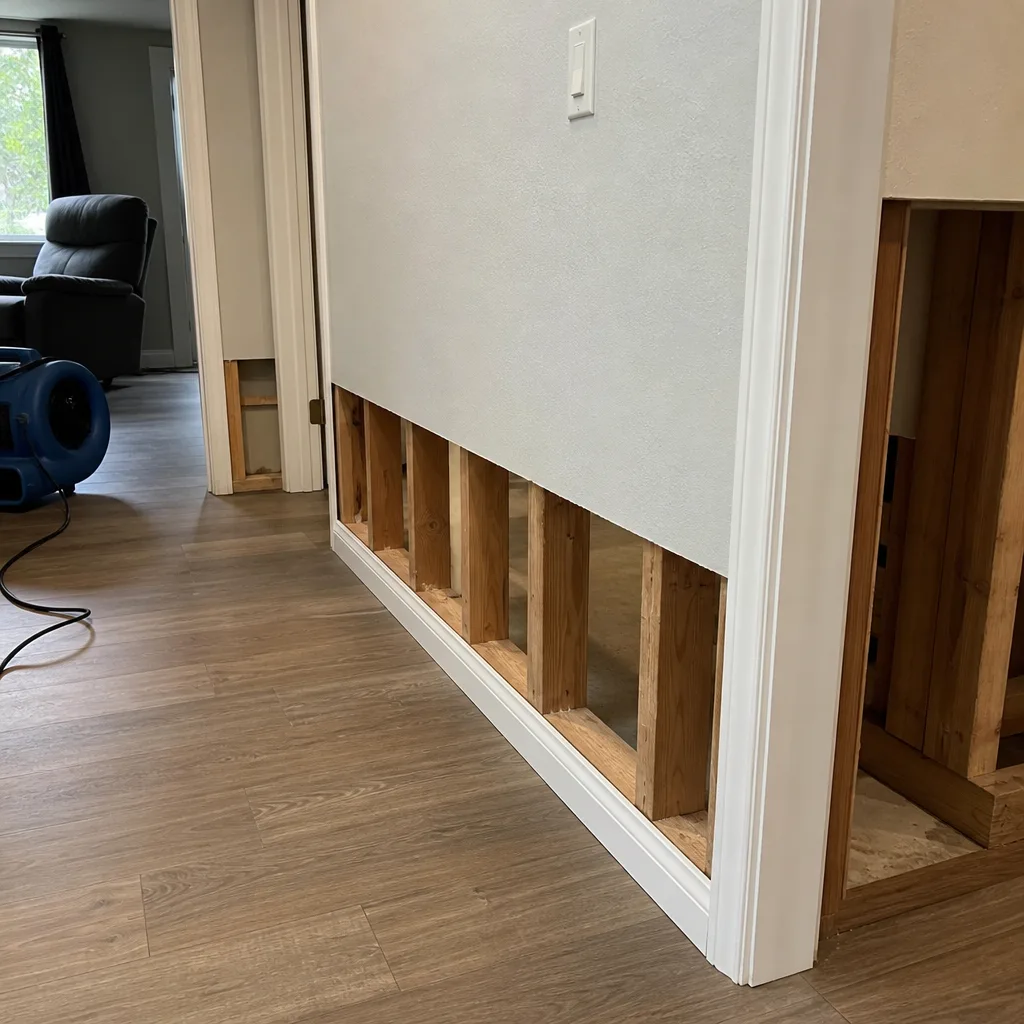
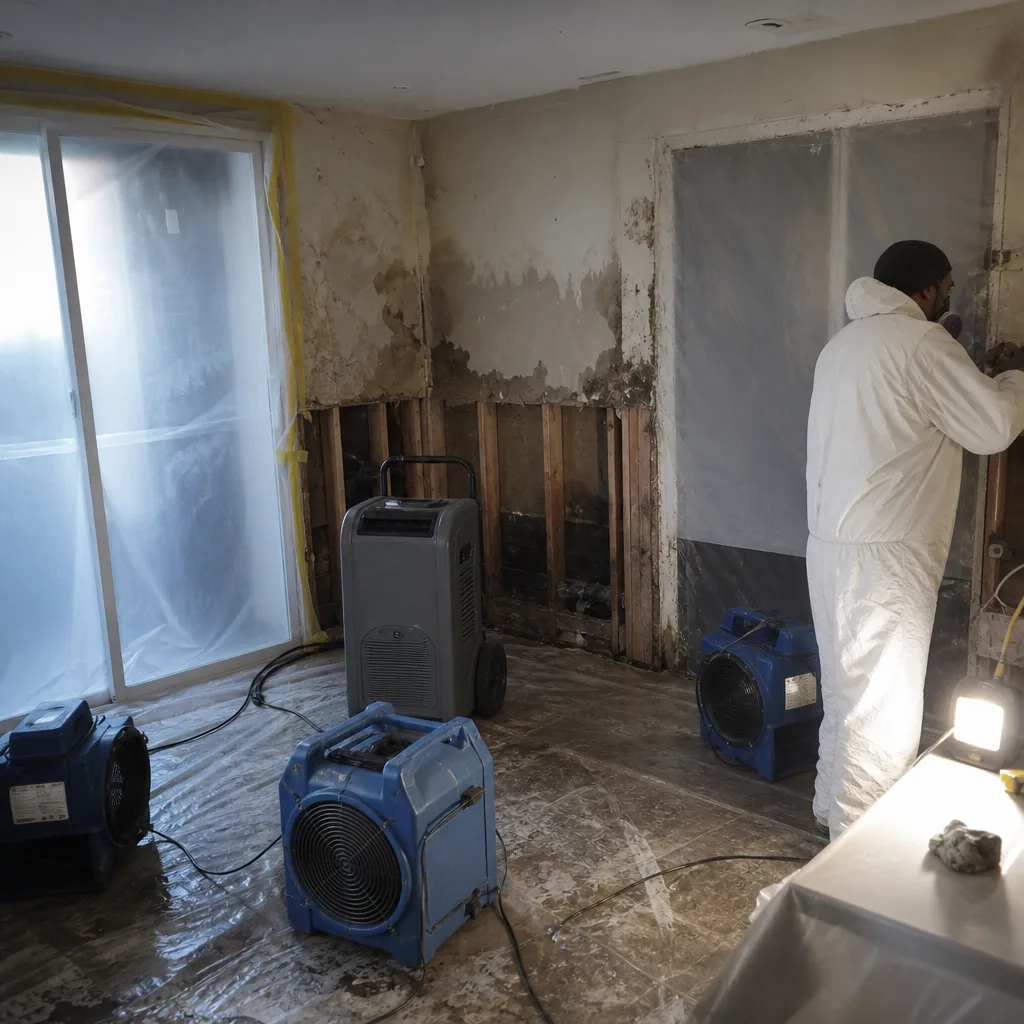
See the difference
 Before
 After
 Before
 After
 Before
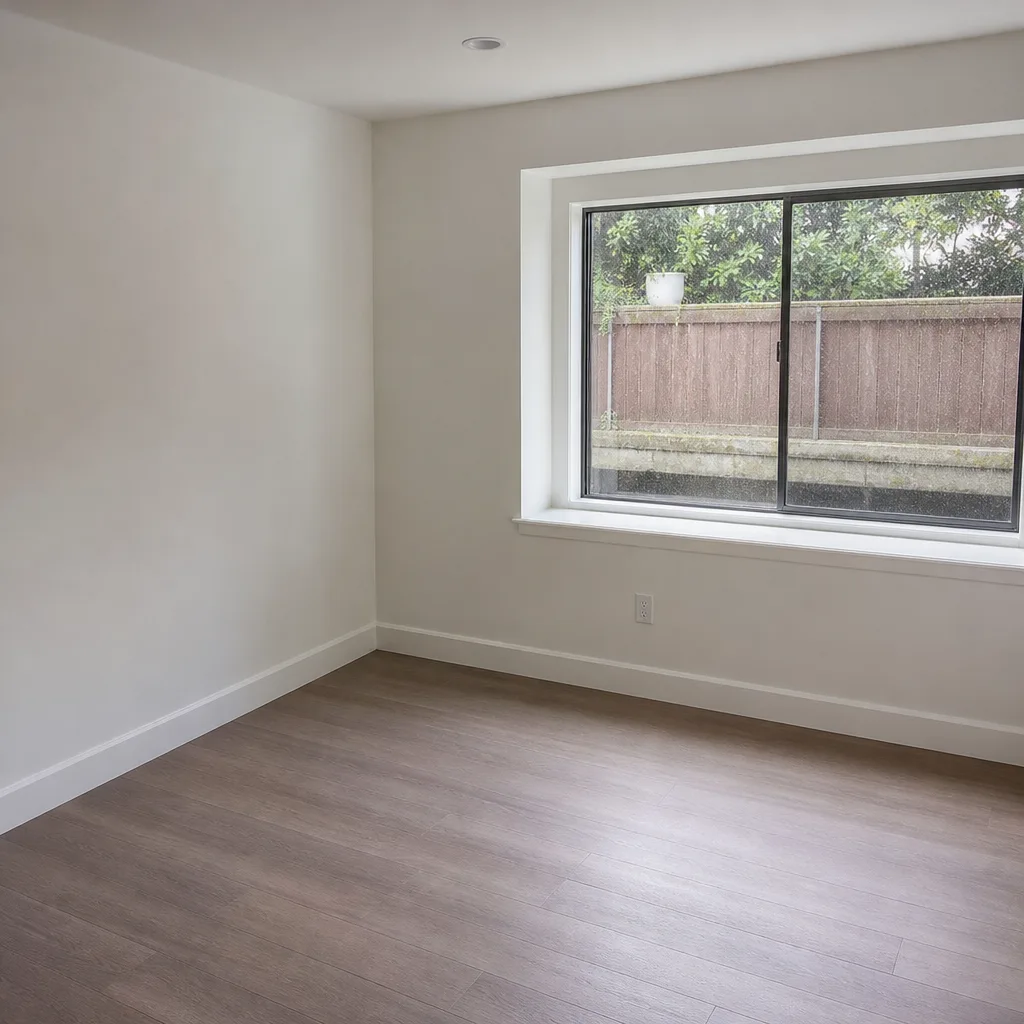 After
Common Water Damage Restoration Problems We See in Phelan Homes
- Well-tank and pressure-system failures. Most Phelan homes are on private wells, not municipal water. A ruptured bladder tank or stuck pump relay can inject water into a home for hours or days, and by the time a homeowner notices, the damage is extensive. We trace the source first – because if the well system keeps feeding the loss, no amount of extraction will stop it.
- Monsoon sheet flow under slab edges. Summer thunderstorms off the desert can send water running across unpaved rural roads and straight under slab-on-grade foundations. This water is often silty and contaminated by the time it reaches a home, and it wicks upward into wall framing and flooring in ways that surface cleaning won’t address.
- Non-permitted additions and outbuildings. A lot of Phelan properties have owner-built additions, converted garages, or detached structures that were never permitted. When water migrates into these spaces, insurance adjusters sometimes balk, and scope disputes follow. We document everything with photos and moisture data so claims don’t stall over unpermitted square footage.
- Hidden moisture in wall cavities despite dry desert air. The high desert dries surfaces quickly, but that doesn’t mean the structure is dry. We regularly find elevated moisture inside wall cavities weeks after a “dried” loss because a previous crew pulled equipment too early and trusted surface readings. Our drying logs use penetrating meters and follow IICRC drying standards.
Pricing for Water Damage Restoration in Phelan, CA
Here are honest numbers for Phelan’s market. Emergency water extraction with basic mitigation typically runs $500 to $1,800. Full flood restoration – including extraction, antimicrobial treatment, structural drying, and content handling – usually lands between $3,500 and $12,000. Well-system losses that require pack-out of affected rooms, slab-edge investigation, or long-duration cavity drying can push toward the upper end of that range or slightly beyond. What moves the number: square footage affected, whether the water is Category 1 or Category 2/3, how far migration spread, and whether non-permitted structures are involved. We give every Phelan homeowner a written scope before work starts. No surprises, no inflated line items. Call (833) 620-3891 for a free estimate, and we’ll walk you through exactly what your loss requires.
We Also Serve Cities Near Phelan
Our restoration crews regularly respond to water damage calls across the high desert. Beyond Water Damage Restoration in Phelan, we serve properties in Piñon Hills, Wrightwood, Oak Hills, and Hesperia. If you’re in one of these communities and dealing with water intrusion, the same certified team and commercial equipment are available to you.
Serving Phelan, CA — Our Local Coverage Area
We’re based in the Phelan area and know this community well. Use the map below to see our service coverage — if you’re nearby, we can almost certainly help.
FAQs About Water Damage Restoration in Phelan
In Phelan’s high-desert climate, mold can begin colonizing within 24 to 48 hours when moisture is trapped inside wall cavities or under flooring, even though surface air is dry. The outside humidity doesn’t matter as much as the micro-environment inside a wet wall, which is exactly why we keep drying equipment running until penetrating meters confirm the cavities are dry. If you’ve had a well-system leak that wasn’t professionally dried, call (833) 620-3891 for an assessment.
Category 1 is clean water from a supply line that hasn’t contacted contaminants. Category 2 contains significant contamination – which is what we typically see with well-tank failures, since the water has been sitting in a metal pressure tank and may carry iron, sediment, and bacteria. Category 3 is grossly contaminated water, which can occur when a well-system failure draws in surface runoff or when floodwater from monsoon sheet flow enters the structure. The category determines the extraction and antimicrobial protocols we follow under IICRC S500 standards.
Yes. Monsoon-driven sheet flow is one of the most common flood sources we respond to in Phelan during July and August. Water running across unpaved roads and desert terrain picks up silt, debris, and contaminants before it reaches a home, which means we treat it as Category 2 or 3 from the start. The job involves extraction, decontamination, and structural drying – not just mopping up what you can see.
Absolutely. We photograph every stage of the loss, including the failed pressure tank or pump, the water migration path, and the moisture readings before, during, and after drying. For Phelan claims involving private wells, adjusters often need clear evidence that the source was a system failure rather than a maintenance issue, and our documentation is built to support that determination. We also communicate directly with your adjuster when needed so the claim doesn’t stall over missing information.
We deploy Dri-Eaz and Phoenix dehumidifiers, XPOWER air movers, and Injectidry wall-cavity drying systems on Phelan jobs. The dehumidifiers are selected specifically for low-humidity, high-temperature performance, because desert conditions can mask hidden moisture if you rely on surface readings. Injectidry panels let us dry inside walls and subfloors without tearing out drywall, which reduces both the demolition cost and the rebuild timeline. For a free assessment of your loss, call (833) 620-3891.
Written by Noel Carbajal, Owner at Renew Water Damage, serving Phelan and the High Desert since 2011.