
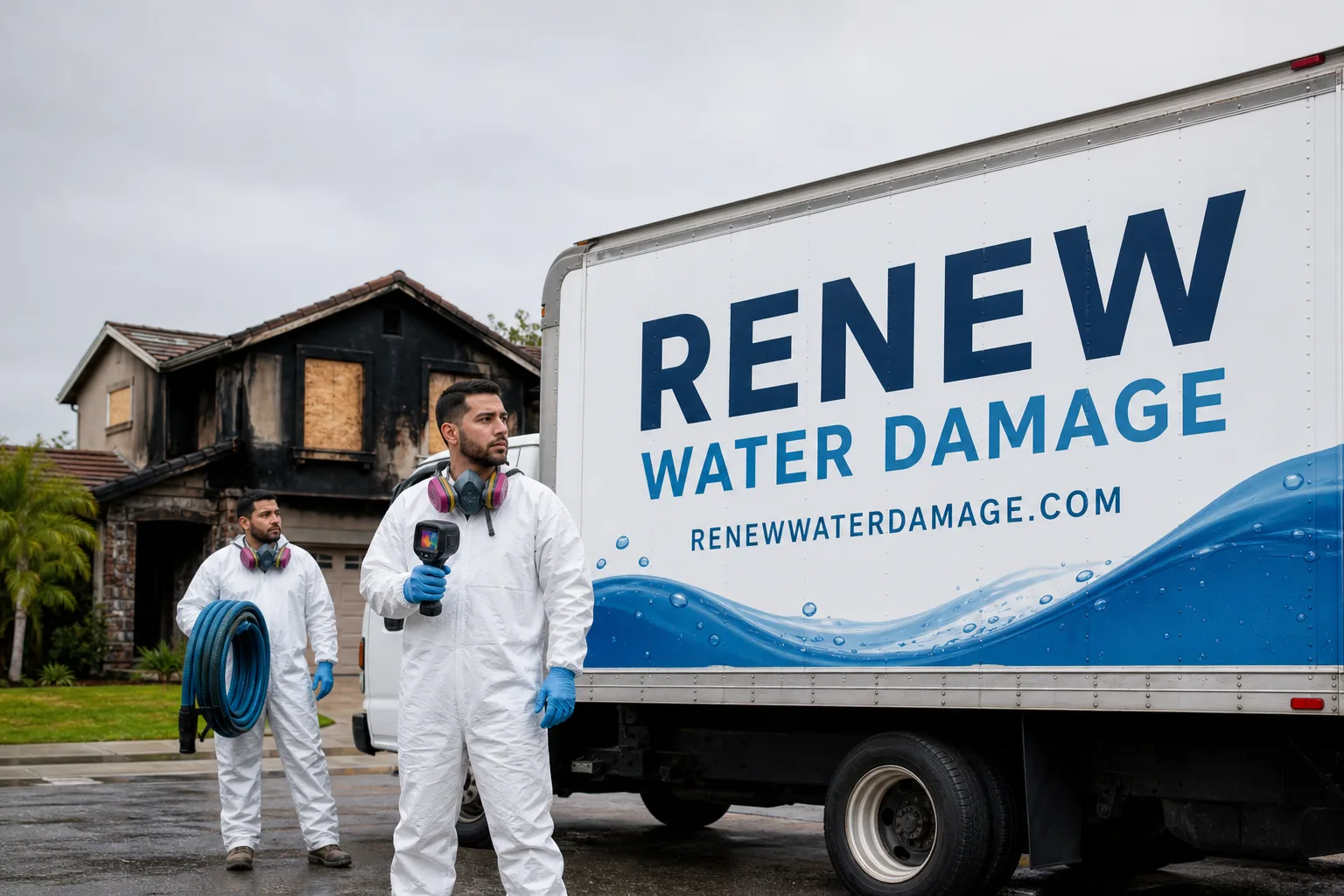
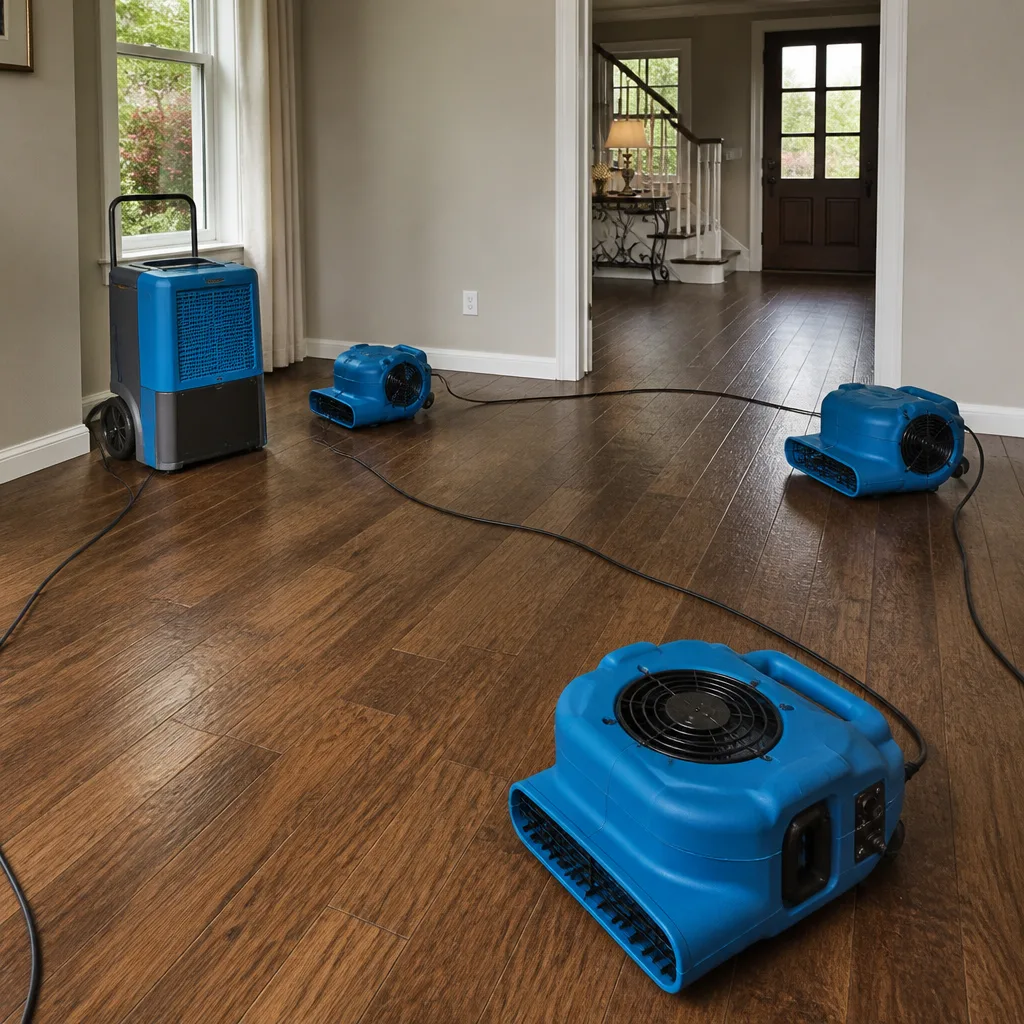
 Water damage drying
 Fire & smoke cleanup
 Mold remediation
 Storm response
 Sewage cleanup
 Reconstruction
Free visual inspection and a written scope of work before any mitigation begins - photos, moisture readings, and drying logs go in your claim file
The scope we write is the scope we bill. Anything new gets shown to you, in writing, before we touch it.
Get your free estimateFast, Reliable Mold Remediation Across San Joaquin Hills
Mold remediation in San Joaquin Hills typically costs between $1,800 and $6,500 depending on how far moisture has traveled behind stucco and through multi-level framing. Most jobs take three to five days from containment through final clearance testing. We’re a certified damage restoration company based in Orange and we know exactly what hillside construction does to moisture patterns in this community. If you’ve spotted discoloration on a ceiling, smelled something musty in a lower level, or found warped drywall near a retaining wall, call (833) 620-3891 and we’ll walk you through what comes next.
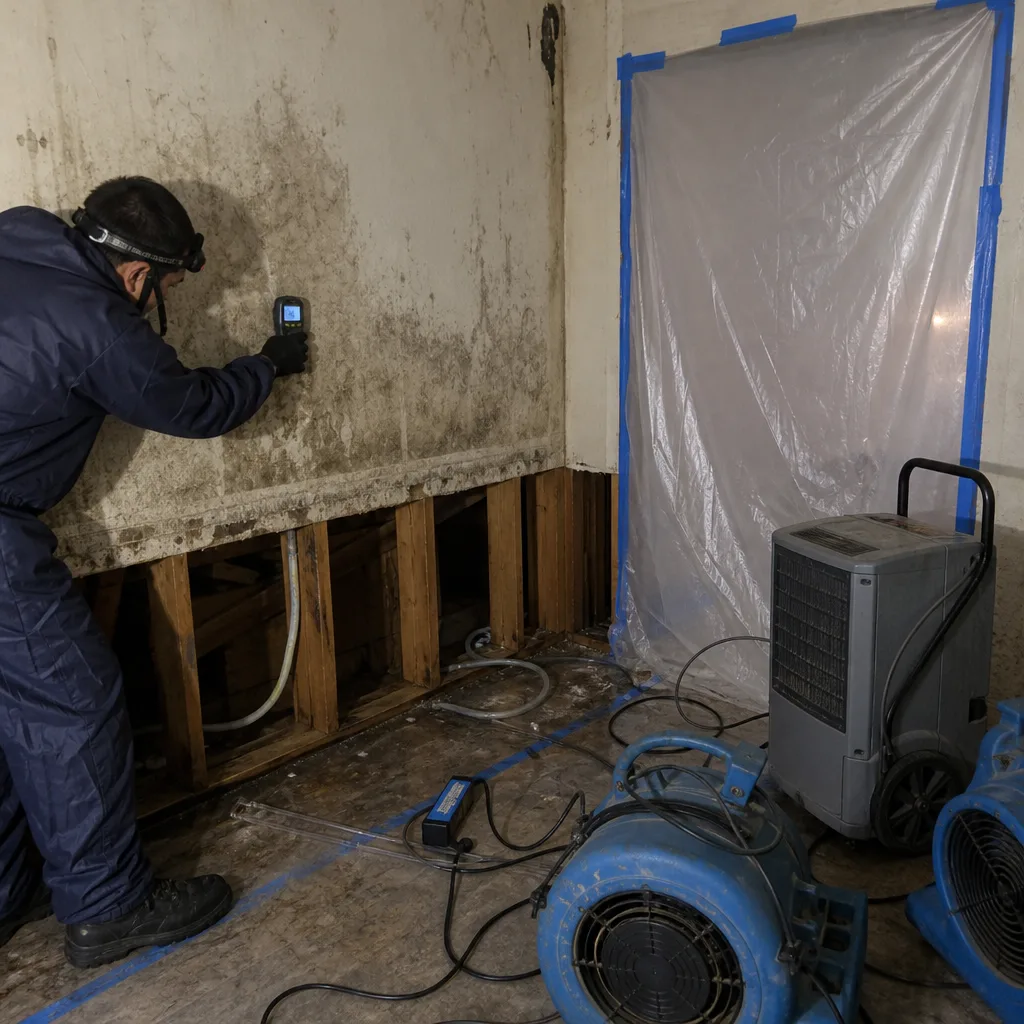
Here’s what matters right now: mold in San Joaquin Hills homes rarely starts where you see it. The visible patch is usually the tip of a moisture trail running behind stucco or along a concrete slab. That’s why our Mold Remediation team begins every job with thermal imaging and moisture mapping before we ever open a wall. It’s slower than guessing, and that’s the point. We serve residential and commercial property owners throughout San Joaquin Hills, from ridge-top estates off Ridge Park Road down to canyon-edge properties where drainage and slope movement complicate every repair.
Why Renew Water Damage Is San Joaquin Hills’s Preferred Mold Remediation Company
We’ve worked enough hillside properties in San Joaquin Hills to know that standard inland drying protocols fail here. Hydrostatic pressure keeps below-grade slabs and retaining walls wet long after surface moisture reads normal. Our crews hold IICRC certification and follow documented S520 remediation standards, but the local part matters just as much. We know which canyon-facing walls hold moisture longest, which 1980s Mediterranean villas have the framing details that channel rainwater into wall cavities, and which tile roof valleys in 92657 tend to fail first during atmospheric river storms.
Noel Carbajal leads our field operations and has built our local reputation on one habit: we don’t declare a job done until moisture mapping confirms every affected area meets pre-loss condition. That’s why property managers in San Joaquin Hills keep calling us back when a tenant reports a smell in a guest suite or a homeowner notices cupping hardwood near a sliding door. We treat mold remediation as a structural drying project, not a surface cleaning. That distinction is everything on these custom homes.
Restoration work we handle
Professional Mold Removal in San Joaquin Hills
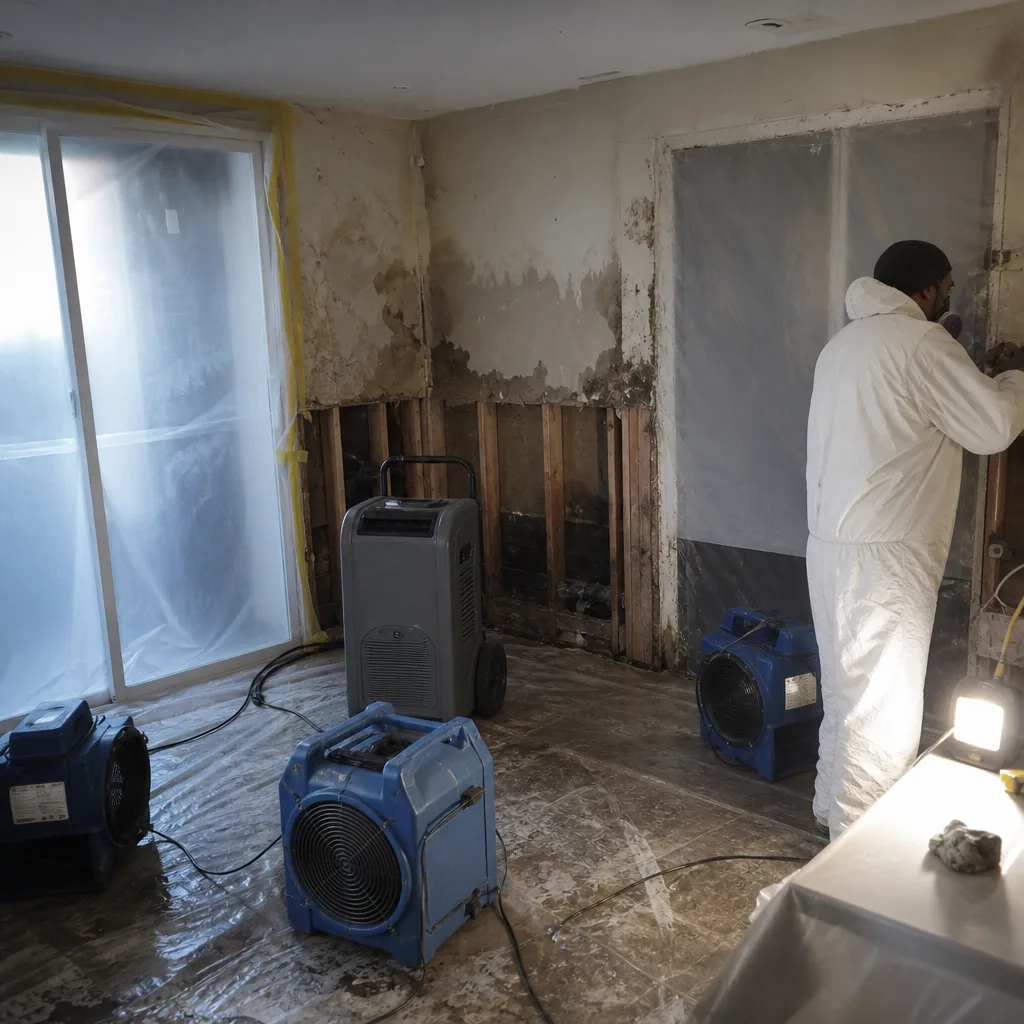
Professional Mold Removal in San Joaquin Hills starts with containment, not demolition. We set up negative air pressure zones with HEPA-filtered exhaust before disturbing any affected material, because mold spores released during tear-out will otherwise travel through HVAC returns and spread to rooms that tested clean. In multi-level hillside homes, that means sealing stairwells and elevator shafts as well as doorways. Then we remove affected drywall, insulation, or cabinetry, treat the framing with antimicrobial solutions, and dry the cavity with commercial-grade equipment before rebuilding.
A typical removal project in San Joaquin Hills runs $1,800 to $4,200 for contained areas under 200 square feet. Larger jobs involving multiple rooms, below-grade spaces, or crawl space contamination move toward the $5,500 to $6,500 range. Every job gets photo documentation at each stage, which matters when you’re filing an insurance claim.
Containment and Structural Drying
We run Dri-Eaz dehumidifiers and air movers sized to the cubic footage of each affected zone, not a generic square-footage formula. On stucco exteriors, we often need to dry wall cavities from the interior while monitoring exterior drainage, because hillside groundwater keeps feeding moisture back into the assembly. Injectidry wall-cavity drying systems let us pull moisture from inside walls without tearing off entire stucco elevations.
Antimicrobial Treatment and Clearance
After physical removal and drying, we apply EPA-registered antimicrobial treatments to affected framing and substrate. Then we conduct post-remediation verification with moisture meters and air sampling. You get a written scope before work starts and a clearance summary when readings come back clean.
Mold Inspection in San Joaquin Hills
Mold Inspection in San Joaquin Hills is a diagnostic process, not a visual once-over. We use thermal imaging cameras to find temperature differentials behind stucco and inside ceiling assemblies, moisture meters to map wet zones through tile and concrete, and air sampling to identify spore types and concentrations. In homes built into hillsides, we also check exterior drainage, weep screeds, and retaining wall contact points, because those are where moisture enters the building envelope in the first place.
An inspection in San Joaquin Hills typically runs $350 to $700 depending on square footage and how many levels we’re testing. If you need air sampling for specific mold species, that adds $150 to $300 per sample set. Every inspection ends with a written report showing exactly where moisture is, where mold is, and what we recommend doing about it.
Thermal Imaging and Moisture Mapping
Thermal imaging catches what eyes miss. Behind stucco, under concrete slabs, inside ceiling cavities: these spaces hold moisture for weeks after a storm before any visible staining appears. Our inspection maps the full moisture profile of your home, not just the room where you smelled something.
Air Sampling and Species Identification
Different mold species mean different remediation approaches. Air sampling tells us what’s airborne, what’s hidden, and whether the problem is active growth or settled spores from a past event. We interpret results with you in plain language, not lab jargon.
Trusted Brands We Service in San Joaquin Hills
The equipment we run on San Joaquin Hills jobs is the same gear used on large commercial losses. Dri-Eaz dehumidifiers pull moisture from dense hillside air that Phoenix units would leave behind. XPOWER air movers create the airflow patterns needed to dry multi-level framing where stairwells trap humidity. Our trucks stay stocked for 92657 service calls so we’re not waiting on equipment deliveries when a homeowner on Ridge Park Road calls about a musty lower level. We don’t rent equipment for jobs; we own it, maintain it, and calibrate it before it rolls onto your property.
See the difference
 Before
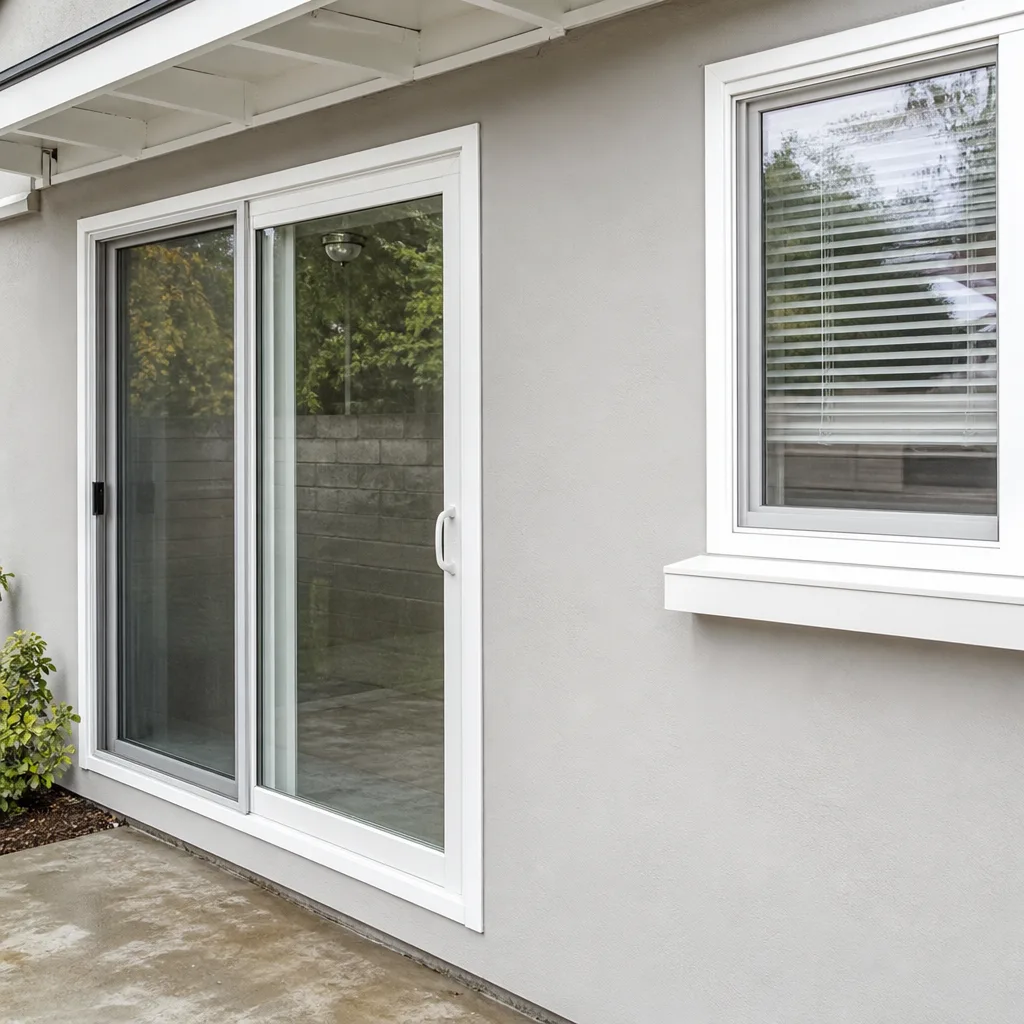 After
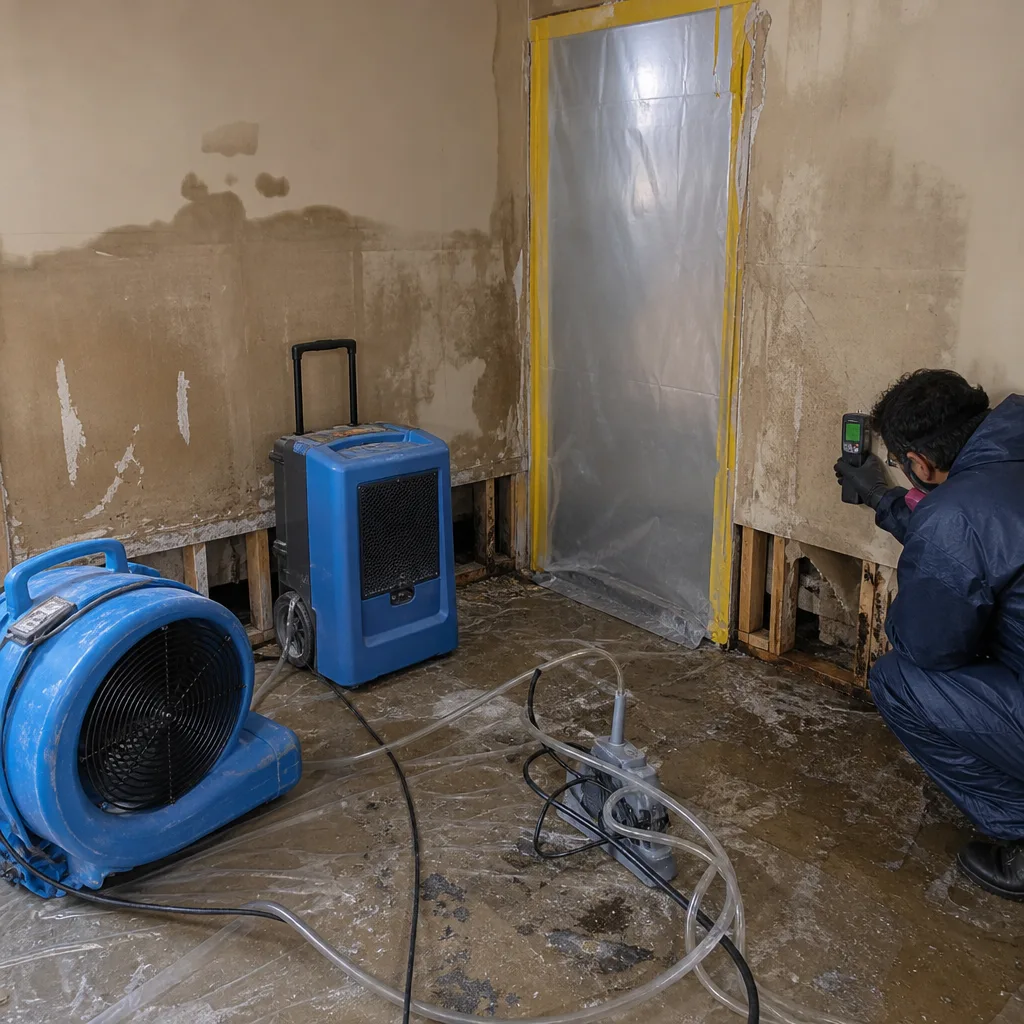 Before
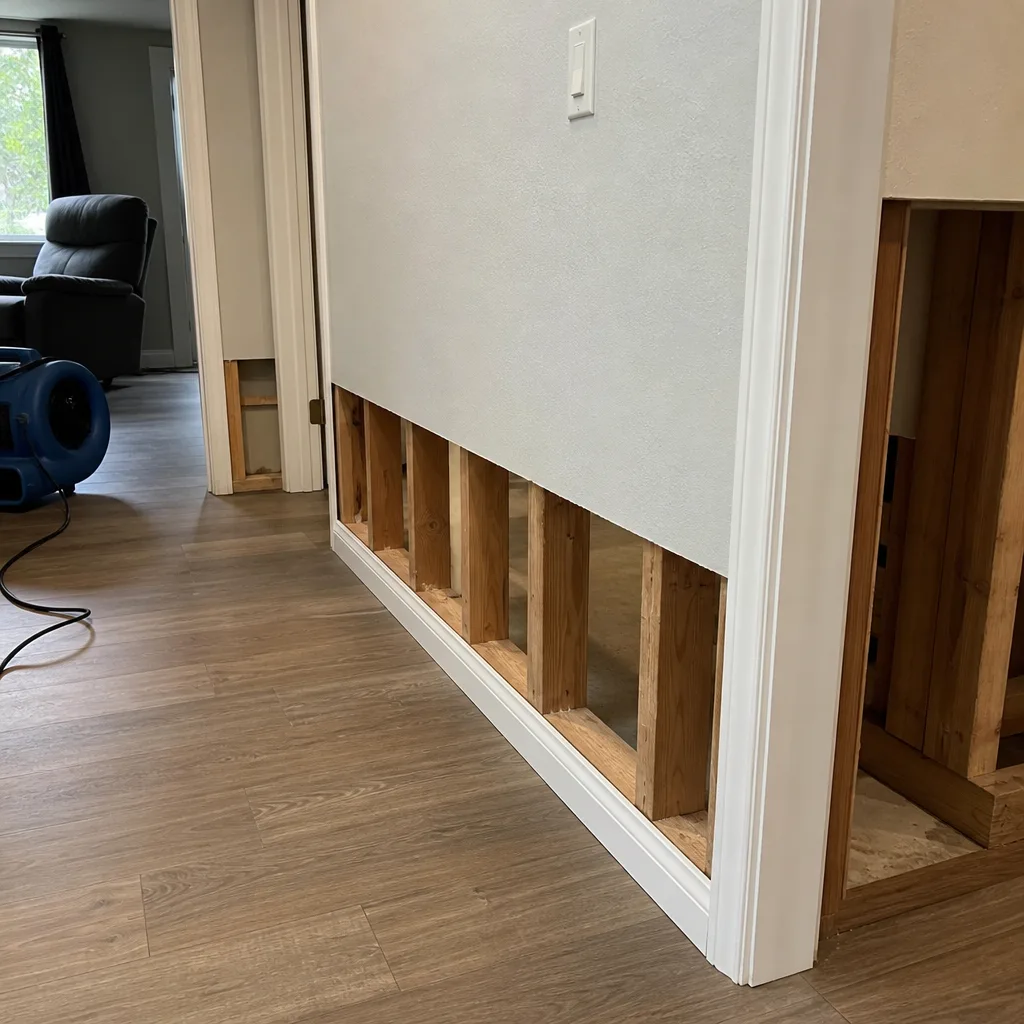 After
 Before
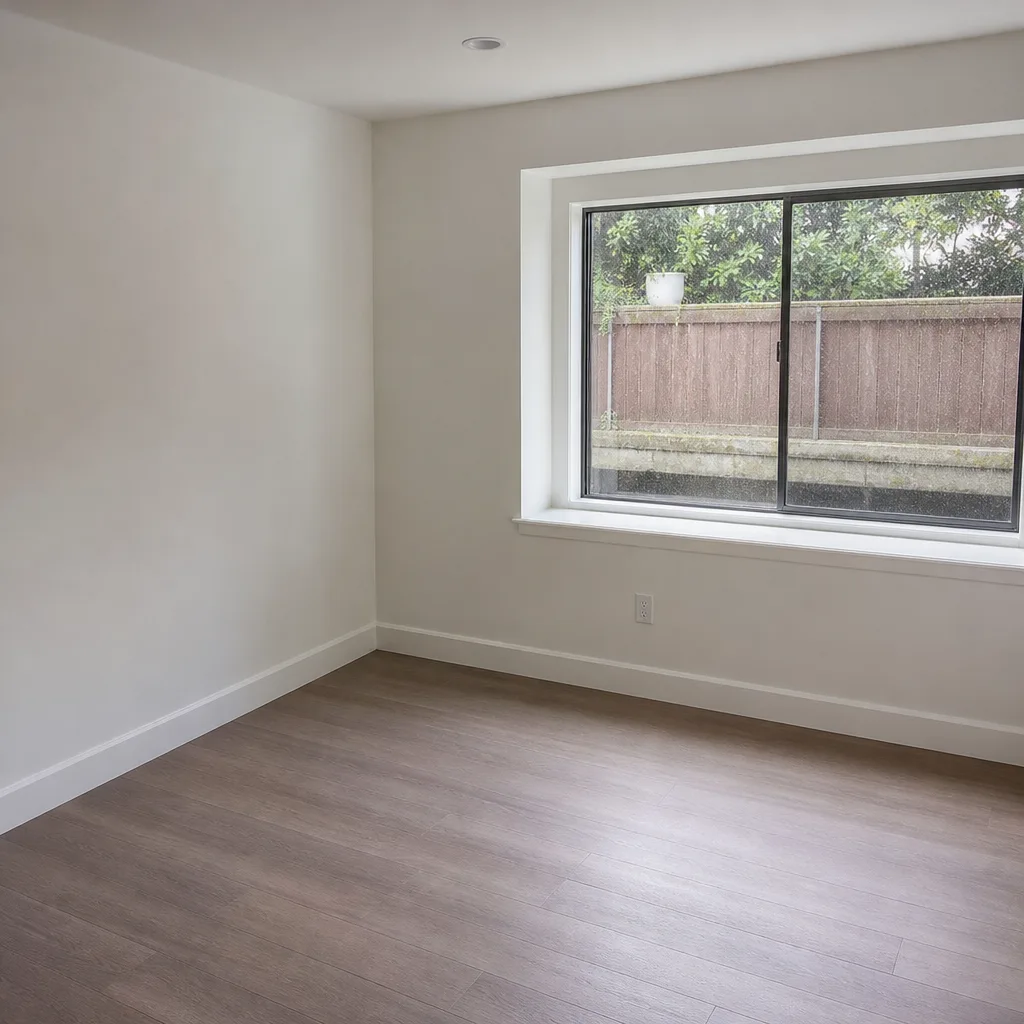 After
Common Mold Remediation Problems We See in San Joaquin Hills Homes
- Moisture trapped behind stucco exteriors. Mediterranean and contemporary villas built between the 1980s and early 2000s used stucco systems that hold water against the framing after storms. Mold grows in the wall cavity for months before discoloration reaches the interior surface.
- Hydrostatic pressure under below-grade levels. Homes built into canyon slopes and along ridge lines get groundwater pushing up through slabs and retaining walls. That moisture never dries on its own in our Mediterranean climate, so mold keeps coming back until the drainage problem gets fixed.
- Tile roof failures channeling water into framing. Broken or slipped tiles during atmospheric river storms send water into ceiling assemblies and wall cavities. The leak is small and slow, and mold spreads into adjacent rooms before anyone sees a stain on the ceiling.
- Slope movement stressing foundation and drainage systems. Clay-rich hillsides expand and contract with seasonal rain, cracking foundations and shifting drain lines. Every new crack is a moisture entry point, and every shifted drain line is a hidden reservoir feeding mold growth.
Pricing for Mold Remediation in San Joaquin Hills, CA
Here are the numbers, straight. A contained remediation under 100 square feet in San Joaquin Hills runs $1,800 to $3,000. Between 100 and 300 square feet, expect $3,000 to $5,000. Whole-room jobs, below-grade spaces, or anything involving custom finishes and wood doors that need protection or resetting land between $5,000 and $6,500. Crawl space treatment under a hillside home adds $1,200 to $2,500 depending on access and moisture levels. What moves the price: how far moisture has traveled, whether we’re cutting into stucco or just drywall, and how many containment chambers your floor plan requires. Call (833) 620-3891 for a free estimate. We’ll give you a written scope before any work begins.
We Also Serve Cities Near San Joaquin Hills
Our crews work throughout southern Orange County. We regularly handle mold remediation in Aliso Viejo, Newport Beach, Laguna Beach, and Irvine, and we’re familiar with the coastal moisture patterns and hillside construction that shape all of these communities. If you manage properties across multiple cities, Mold Remediation in San Joaquin Hills is our home base for coordinating that work under one crew and one standard.
Serving San Joaquin Hills, CA — Our Local Coverage Area
We’re based in the San Joaquin Hills area and know this community well. Use the map below to see our service coverage — if you’re nearby, we can almost certainly help.
FAQs About Mold Remediation in San Joaquin Hills
San Joaquin Hills sits on landslide-prone coastal bluffs and canyon slopes, so remediation here typically involves moisture sources that flatland homes don’t have. Groundwater pressing against retaining walls and below-grade slabs keeps feeding moisture into wall cavities and under flooring. That means we often have to address drainage and hydrostatic pressure as part of the mold job, not just remove moldy drywall and call it done.
Yes. Mold frequently grows behind stucco exteriors and inside tiled roof assemblies without any visible water staining on interior surfaces. Thermal imaging is what finds it. If you smell something musty in a lower level or notice warped drywall near a retaining wall, call us before the problem spreads into finished living space.
Category 1 is clean water from a supply line; Category 2 is contaminated water like washing machine overflow; Category 3 is grossly contaminated water like sewage or storm runoff. The category determines how much material must be removed versus dried and treated. In San Joaquin Hills, groundwater intrusion through slabs often starts as Category 1 but degrades quickly once it sits in dark, warm cavities.
We mask and seal custom wood casings, mantels, doors, and millwork before any demolition begins. Where possible, we use Injectidry cavity drying to pull moisture from behind finishes without removing them. When a finish has to come off for access, we photograph its placement and reinstall it to the same reveal and alignment after the structure is dry and treated.
Recurrence almost always comes from unresolved moisture. The hillside keeps feeding groundwater into a slab, the stucco system keeps trapping storm water against framing, or the tile roof valley keeps sending water into the same wall cavity. We don’t just remove mold; we identify and correct the moisture source, which is the only way to stop the cycle. Call (833) 620-3891 to schedule an inspection and get a written plan.
Written by Noel Carbajal, Owner at Renew Water Damage, serving San Joaquin Hills and surrounding Orange County communities since our founding.